The Role of Functional Play in Developing Critical Thinking Skills
Exploring How Functional Play Boosts Cognitive Skills in Children

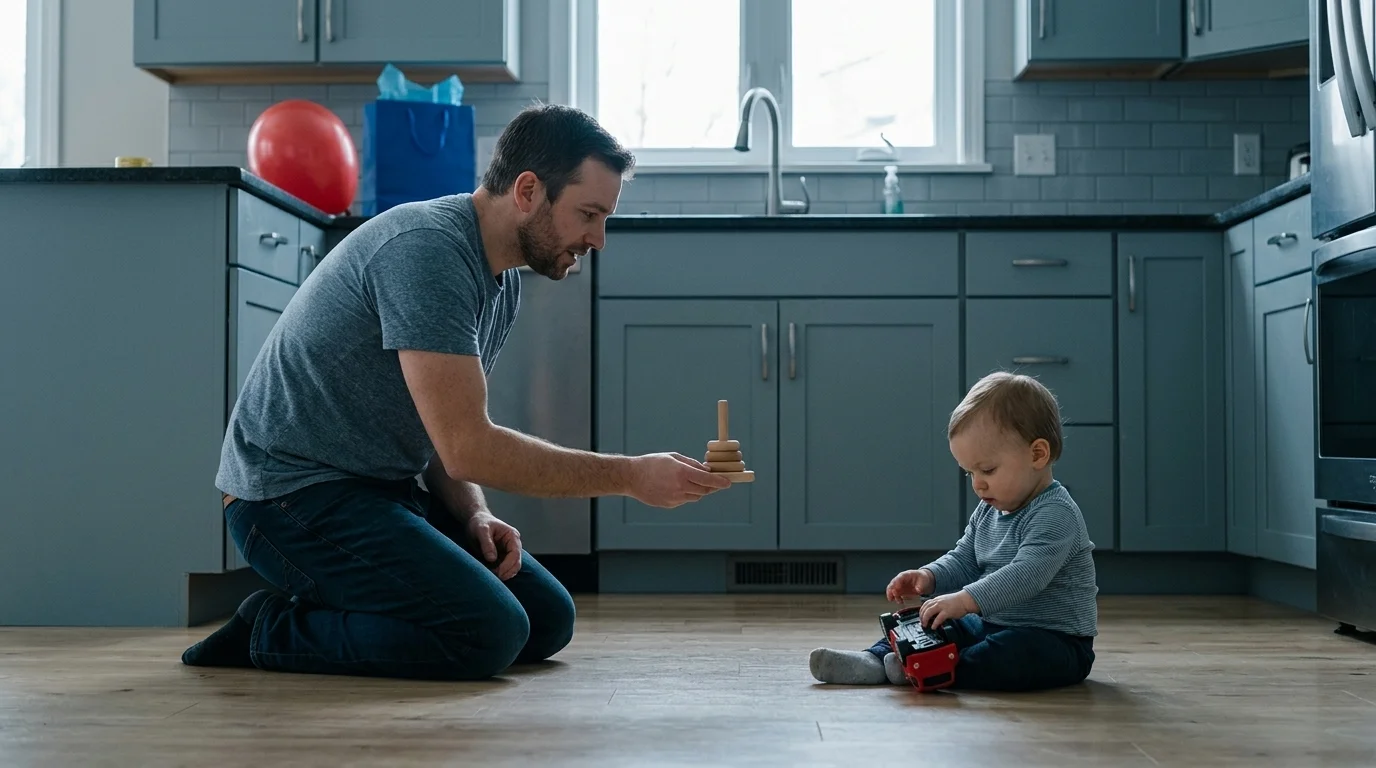
Watch a toddler push a toy car back and forth across the floor, making engine noises, over and over. It looks simple. Developmentally, it's a milestone with a name, and it's carrying more cognitive work than almost anything else happening in the room. That back-and-forth is functional play, and it's one of the first places thinking skills are built.
What Is Functional Play?
Functional play means using toys and objects according to their intended purpose: pushing a car, stacking blocks, rolling a ball, putting a phone to the ear. It's typically the first form of true toy play to emerge, usually in the second year of life, and it lays the foundation for the pretend play, construction, and rule-based games that come after.
The sequence matters. Children generally move from functional play to constructive play (building something from parts), then symbolic or pretend play (a block becomes a phone), and eventually games with rules. Each stage borrows the machinery of the one before it, which is why functional play deserves more respect than its simplicity suggests.
The Functions of Play in Development
Play is a child's laboratory, and functional play runs the first experiments. Pushing the car teaches cause and effect: I push, it moves. Stacking blocks teaches spatial reasoning and, when the tower falls, error correction and persistence. Rolling a ball to a parent teaches turn-taking and shared attention, the roots of conversation. Piaget observed that this kind of repetitive object play is how young children practice and consolidate what they're learning about the world, with each repetition strengthening the pattern.
These are the beginnings of critical thinking: predicting outcomes, testing them, adjusting, and trying again. A child who has done a thousand rounds of push-the-car has done a thousand rounds of hypothesis and result.
Functional Play and Autism
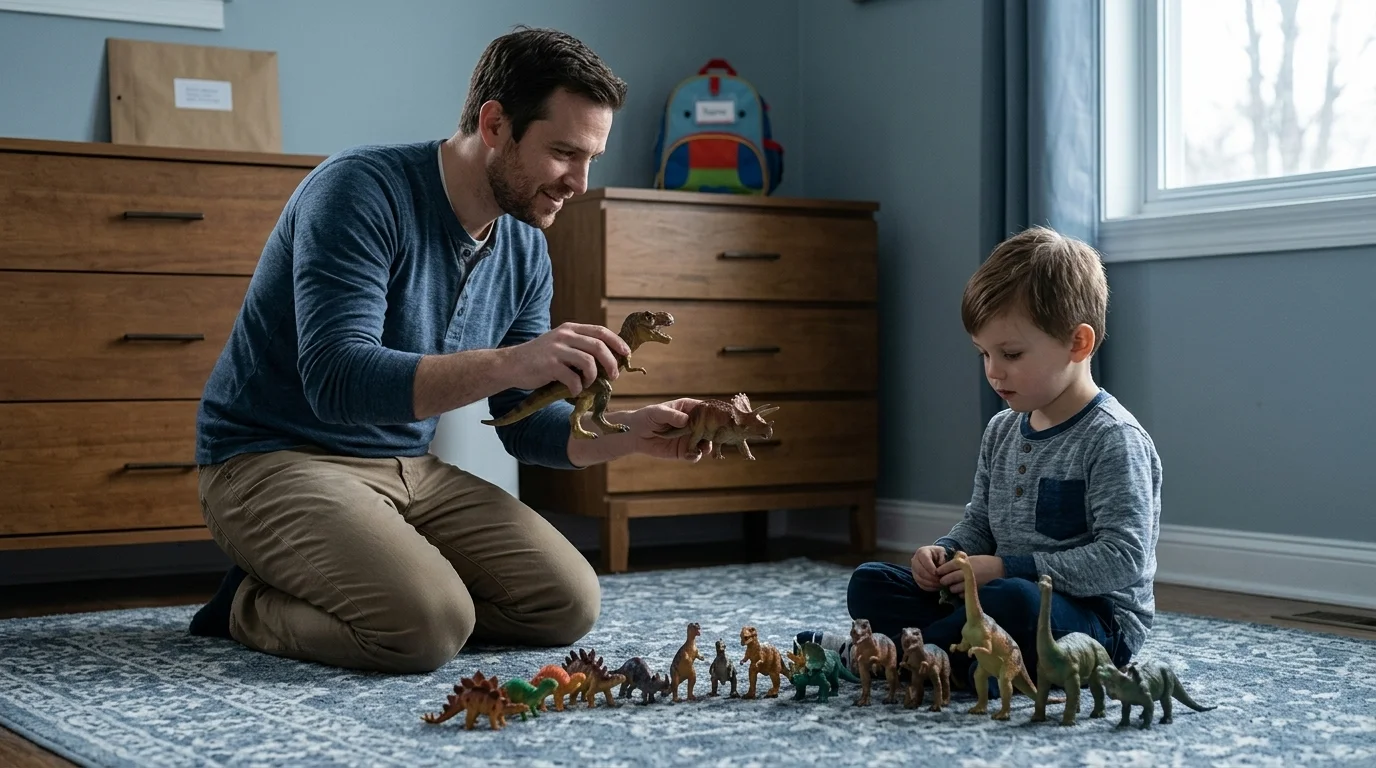
Many autistic children play differently. A child might line the cars up rather than drive them, spin the wheels rather than push the car, or repeat one action with one toy for long stretches. That play is real and often deeply enjoyable for the child, and it also tends to exercise a narrower range of skills than varied functional play does.
This is why play is a common early therapy target. Expanding a child's play repertoire, gently and from what they already love, opens the door to the cause-and-effect learning, imitation, and social exchange that varied play carries. The goal is a wider toolbox for the child, built with their motivation rather than against it.
How ABA Therapy Uses Functional Play
In a Mastermind in-home program, play is both a goal and a teaching method. Naturalistic teaching runs inside play the child chose: if your son loves the toy garage, the garage is where imitation, requesting, and turn-taking get taught. Play targets are built from a child's existing interests outward, one small expansion at a time, such as pushing the car after spinning its wheels, then driving it to the garage, then handing it over for a turn. For toddlers, this is a core part of early intervention, where play is the primary classroom. And because sessions happen in your home with your toys, what's learned belongs to your child's real play life rather than to a therapy room. Skills like cooperative play grow on this same foundation.
Supporting Functional Play at Home
- Follow their lead, then stretch it. Join the play your child already loves, imitate what they do, and model one small next step rather than redirecting to a different activity.
- Narrate simply. "Car goes fast!" pairs language with action at the moment attention is highest.
- Pick toys that do something. Cause-and-effect toys, blocks, balls, and vehicles invite functional use more than screens or single-outcome toys.
- Repeat without boredom. Repetition is the point at this stage. The hundredth push of the car is still doing developmental work.
- Keep it fun. Play that turns into drills stops being play, and stops teaching. If the joy leaves, back up a step.
Frequently Asked Questions
What is an example of functional play?
Pushing a toy car along the floor, stacking blocks into a tower, rolling a ball back and forth, or holding a toy phone to the ear. The common thread is using the object the way it was designed to be used.
What are the main functions of play in child development?
Play builds cause-and-effect understanding, problem solving, motor skills, language, and social abilities like imitation, turn-taking, and shared attention. Different play stages emphasize different skills, with functional play laying the cognitive groundwork for the stages that follow.
Is it a concern if my child only plays with toys in one repetitive way?
Repetition itself is normal and useful at this stage. A persistently narrow play repertoire, such as only lining up or spinning objects well past toddlerhood, is worth mentioning to your pediatrician, especially alongside differences in language or social engagement. Play differences are one of the earlier observable signs that an evaluation could help.
References
- The Power of Play: A Pediatric Role in Enhancing Development in Young Children. American Academy of Pediatrics clinical report, Pediatrics, 2018
- The Power of Playful Learning in the Early Childhood Setting. NAEYC, Young Children, 2022
- CDC Developmental Milestones, Learn the Signs. Act Early. Reviewed 2026