We understand how exhausting this is. Here's what we do about it.
Aggression. Self-injury. Meltdowns that leave the whole family drained. You're not failing, and you're not alone. Your child's challenging behaviors are telling us something. Our BCBAs figure out what, and then build a plan to replace those behaviors with skills that actually work better for your child.

We accept most major insurance plans


Understanding why challenging behaviors happen
Your child isn't being "bad." They're communicating an unmet need the only way they know how right now. In ABA, every behavior serves a purpose, a function. Before we change anything, we figure out what that function is.
It starts with a Functional Behavior Assessment (FBA). Your BCBA observes carefully and collects data to identify exactly what's happening before and after the behavior. It's detective work grounded in learning science, and it makes sure we target the root cause beneath what you see on the surface.
Research has identified four primary functions: escape (avoiding something overwhelming), attention (seeking connection or response), access to tangibles (wanting something specific), and sensory stimulation (the behavior itself meets a sensory need). Knowing which function is at work changes everything about how we respond.

Behaviors we address
Every one of these is addressable. None of them define your child.
Aggression
Hitting, biting, kicking, scratching. We identify the function and teach your child a safer way to communicate what they need.
Self-injurious behavior
Head banging, skin picking, biting themselves. These behaviors are often the most urgent, and the most responsive to function-based intervention.
Elopement
Running away or bolting from the house, the yard, a store. This is a critical safety concern, and we address it with prevention strategies and replacement skills.
Severe tantrums & meltdowns
Prolonged, intense episodes that disrupt your whole household. We look at what's driving them and build your child's tolerance and coping skills.
We also help with
Non-compliance and refusal, property destruction, feeding refusal, and sleep disruption.
The Mastermind ABA approach to behavior support
Effective behavior support is proactive. Alongside reducing challenging behaviors, we teach replacement behaviors that meet the same need.
Start with assessment
Every plan begins with an FBA. Your BCBA observes your child in your home, collects data on triggers and consequences, and interviews you to understand the full picture. Your perspective shapes every goal we set, and if something doesn't feel right, we adjust.
Build a personalized plan
Your child's Behavior Intervention Plan (BIP) is built on FBA data, using the least restrictive, most positive strategies available: differential reinforcement, antecedent modifications, and proactive supports. Always dignity first.
Teach replacement skills
We never just suppress a behavior. That approach is ineffective and ethically wrong. Your child learns a better way to get their needs met through Functional Communication Training and reinforcement. Replacement over suppression, always.
This might be right for you if...
- Your child's behaviors are putting them or others at risk
- Meltdowns are disrupting your entire family's daily life
- You feel isolated and aren't sure who to turn to for help
- Your child is already in ABA but needs more intensive behavior-specific support
- You want to understand why your child is doing what they're doing
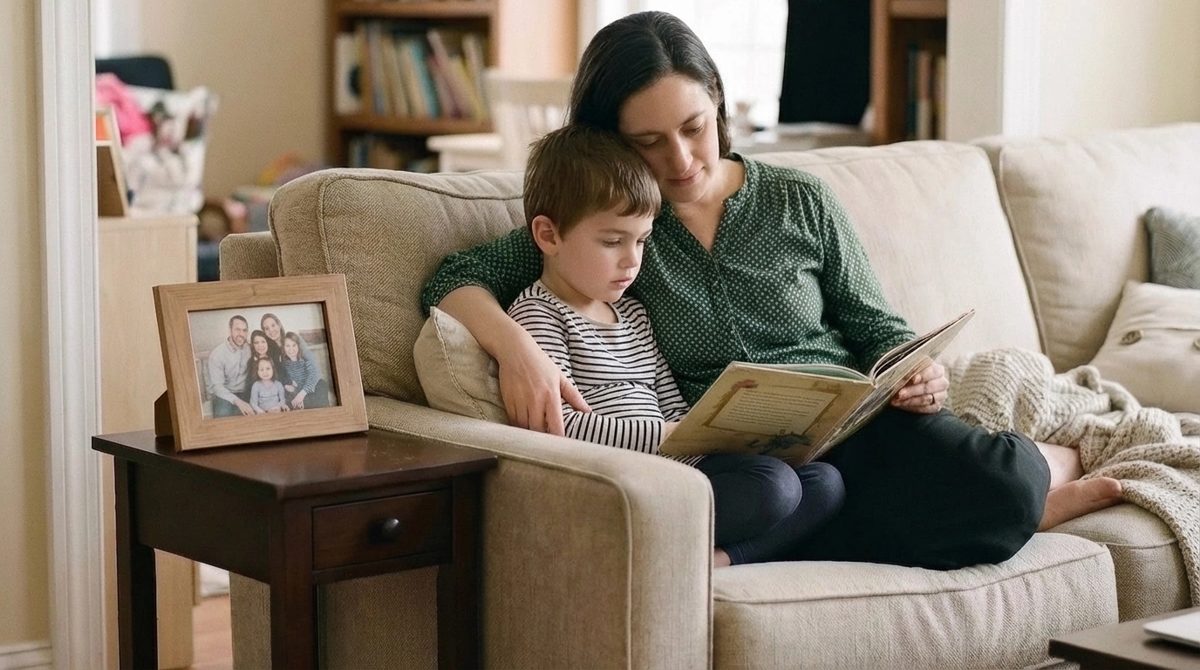
Why home is where behavior support works best

Your BCBA sees the real triggers
Challenging behaviors happen in context. Your BCBA observes the actual environment where behaviors occur: the transitions, the routines, the moments that set things off. There's no artificial clinic setting to mask the real patterns.
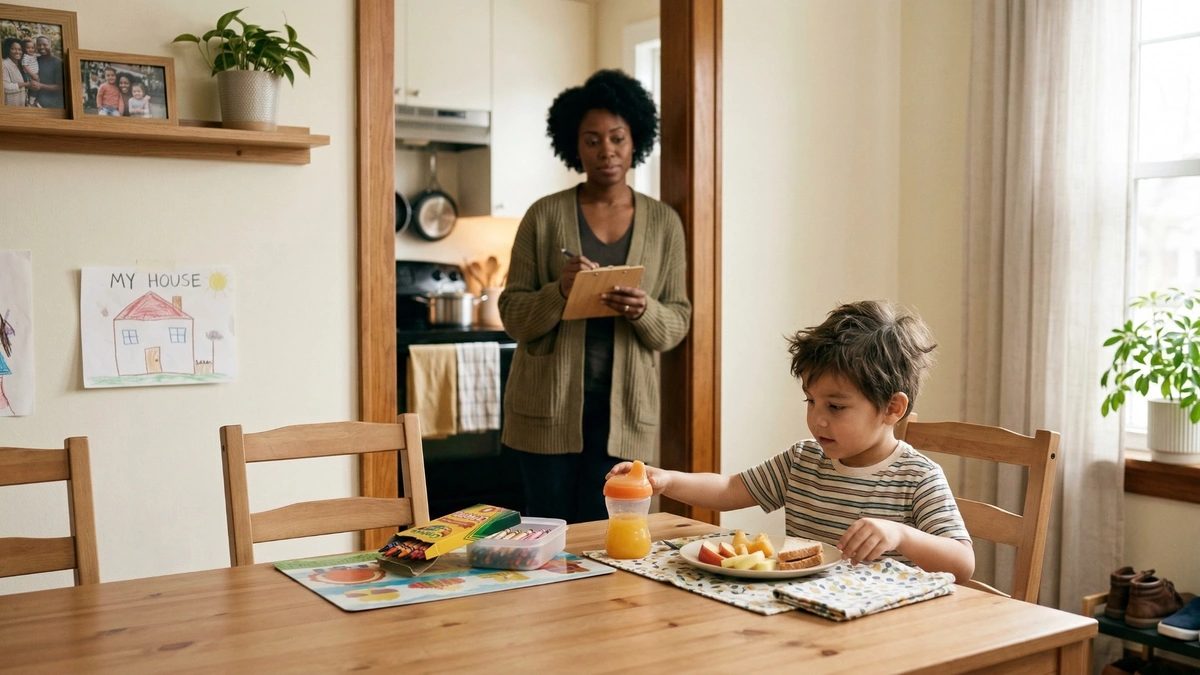
You learn strategies in the moment
Your BCBA coaches you on how to respond during the actual situations where behaviors happen: bedtime battles, mealtime refusal, transition meltdowns. There's no "what do I do when I get home?" gap. You're already there, practicing in real time.

The whole family gets consistent
When everyone in the household responds the same way, progress happens faster. Your BCBA works with parents, grandparents, and siblings so the strategies stay consistent during sessions and all day, every day.
Behavior support lives inside every session
Behavior support is woven into your child's in-home ABA therapy alongside skill building, parent coaching, and everything else your family needs.
Skill development
As challenging behaviors decrease, your child's sessions shift toward building the communication, social, and daily living skills that replace them, all within the same program.
Teaching replacement skills →Parent training
Your BCBA coaches you on how to respond consistently during sessions, so you're equipped to manage behaviors with confidence between sessions, too.
Parent training for behavior management →In-home ABA therapy
Behavior support is delivered where behaviors actually happen: your home. That's the foundation of our entire approach and the reason our strategies stick.
Our in-home ABA approach →Find your local team
We deliver behavior support in your home across New Jersey, Georgia, and North Carolina.
There is a path forward. Let's find it together.
Your child's challenging behaviors don't define them. With the right support, you'll see the progress that's possible.