Therapy that works inside the life your family lives every day
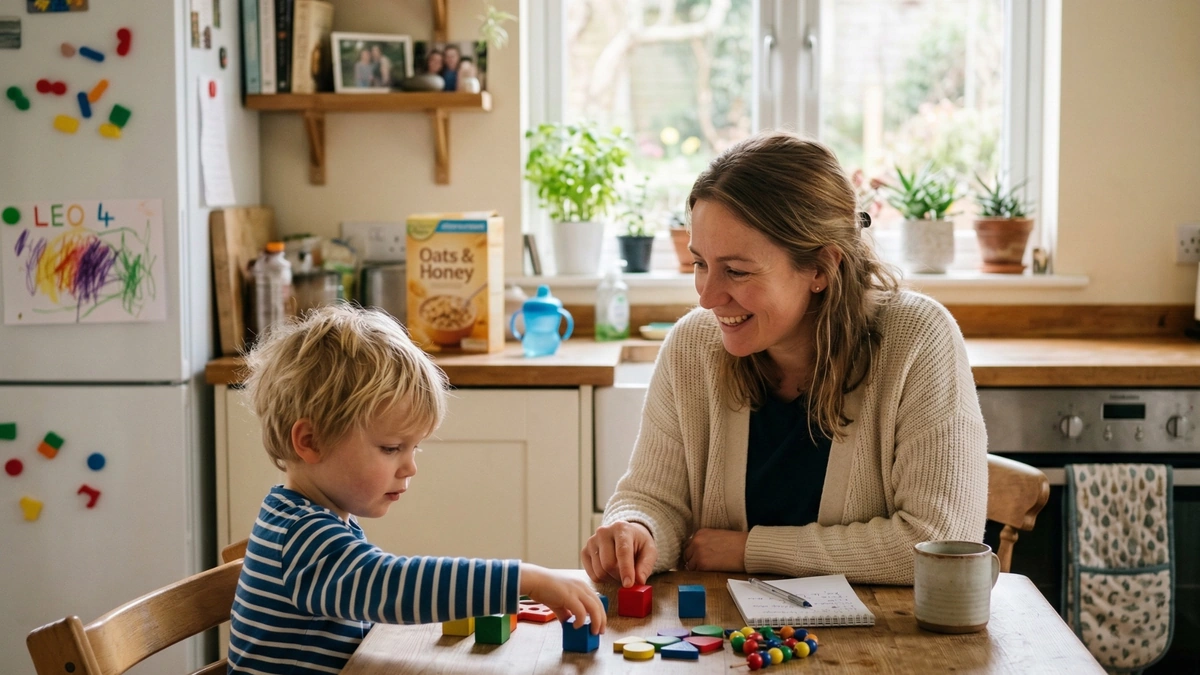
A skilled therapist comes to you — into the kitchen where breakfast happens, the living room where play happens, the bedroom where bedtime routines happen. Skills aren't practiced in a sterile setting and hoped to transfer. They're built right where they matter most.
We Accept Most Insurances


What Is In-Home ABA Therapy?
A trained therapist comes to your home on a regular schedule and works directly with your child on communication, social skills, daily living tasks, and behavior goals. Everything is guided by a treatment plan built specifically for your child.
What makes in-home different from clinic? Environment. At home, your child learns skills exactly where they need them — during real meals, real playtime, real morning routines. There's no gap between "therapy world" and "real world."
Sessions are led by BCBAs (the clinicians who design your child's program) and delivered by BTs (trained therapists who work one-on-one with your child under BCBA supervision).
A Lot of Providers Offer In-Home ABA. Here's Why Families Choose Mastermind Behavior.
The therapy model matters — but so does the team behind it. These are the things parents tell us made the difference.
Founded and led by BCBAs
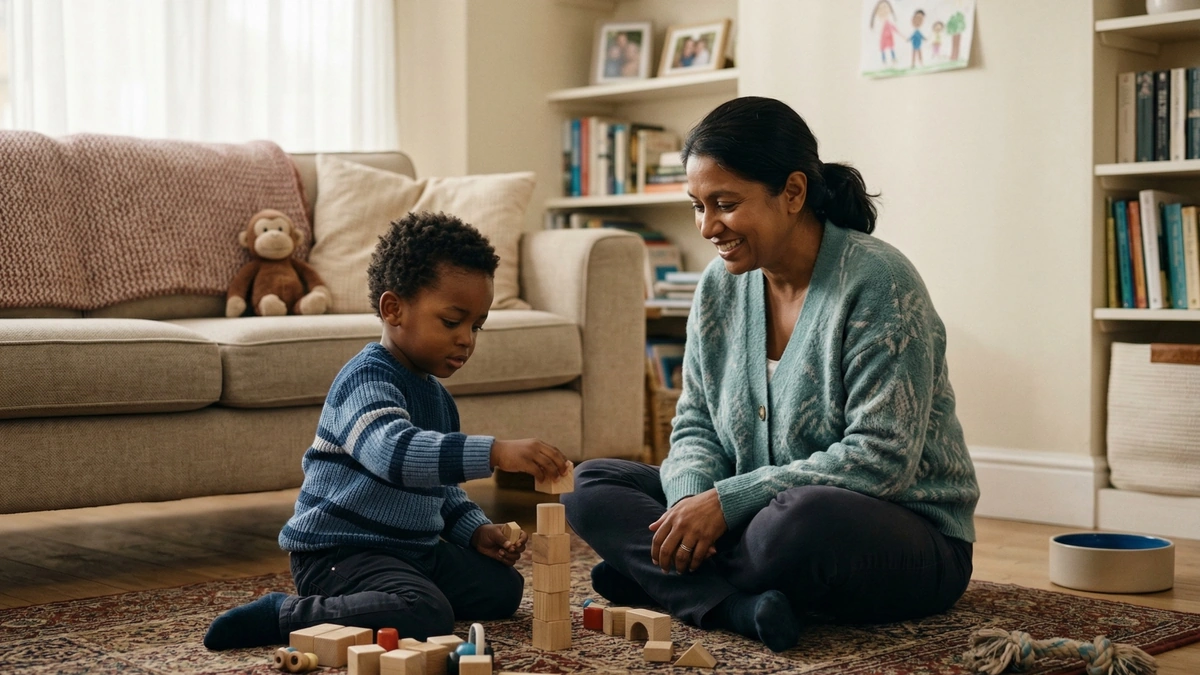
Mastermind Behavior was built by two Board Certified Behavior Analysts who between them have decades of hands-on clinical work with children with autism. The people making company decisions are the same people who've sat on living room floors running sessions. That shapes everything from how caseloads are structured to how therapists are trained.
Your child's therapist stays
Revolving-door BTs are one of the biggest frustrations families face. Mastermind Behavior invests in retention — competitive pay, clinical mentorship, and manageable schedules — so the person your child trusts on Monday is the same person who shows up on Thursday. With over 90% retention, our team stays because they want to be here — and your child feels the difference.
Faster onboarding, shorter waitlists
Most families wait months for ABA services. At Mastermind Behavior, the average time from assessment to starting direct services is under 6 weeks. Our staffing model is designed to reduce that gap — because early intervention doesn't mean much if it starts late.
"We are super happy with everything and we all love our BT and have already seen progress. Everything with Mastermind has been a way better experience than they had with the other ABA companies they worked with in the past!"— Mastermind Behavior Family
How Our In-Home Sessions Work
This might be right for you if...
- Your child just received a diagnosis and you're not sure where to start
- Clinic-based therapy hasn't felt like the right fit
- Getting to appointments is a battle before therapy even begins
- You want to be part of the process, not stuck in a waiting room
- You're in an area where clinic options are limited or far away

Why Families Choose In-Home Over Clinic
Skills transfer naturally
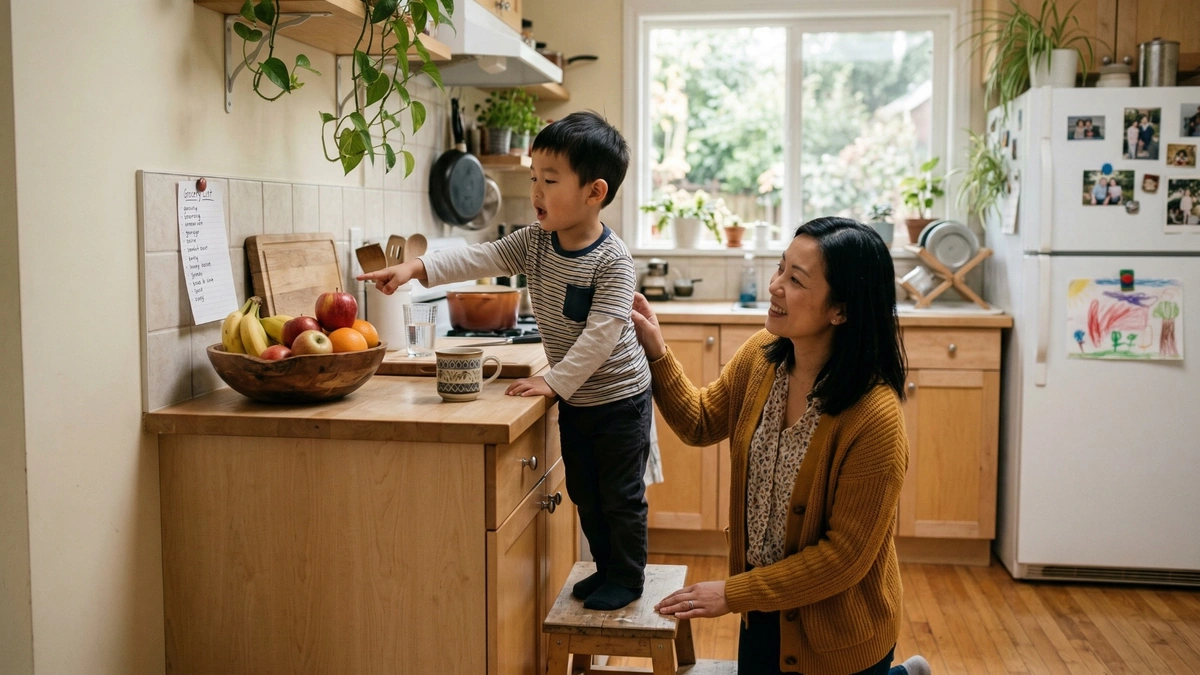
Your child learns to request a snack in your kitchen — not a clinic. No generalization gap. Research consistently shows that naturalistic teaching environments improve the maintenance of new skills.

You see what's really happening
You're there. You see how the therapist handles a meltdown. You watch your child try something new. You learn techniques in real time — techniques you can use at 7 PM on a Tuesday.

Less stress on your child
The car ride, the waiting room, the fluorescent lights — all of that takes a toll before therapy even begins. At home, your child starts sessions already regulated and comfortable.

The therapist sees the real picture
They see the transition from screen time to dinner. They notice the sensory elements of your space. That context makes the treatment plan sharper and more effective.
What Your First Weeks Look Like
Supporting Progress Between Sessions
You don't need to become a behavior analyst. You just need a few strategies and the willingness to use them.
Stay consistent
If the therapist uses a specific reward system, use the same one. Consistency helps your child know what to expect across different people and situations.
Skill development services →Use the same language
If your child is learning to request "more" with a sign, everyone in the house should encourage it. Consistency is the thread that holds it all together.
Talk to your team
Rough weekend? New behavior? Share it. The more your BCBA knows about what's happening outside of sessions, the better the plan gets.
Parent training & coaching →Find Your Local Team
We serve families across New Jersey, Georgia, and North Carolina. Our teams are embedded in the communities they support.
You're not just choosing a therapy provider. You're choosing a partner.
We walk alongside families, not ahead of them. If you're ready to explore what in-home ABA could look like for your family, let's talk.