Every new skill your child learns is a step toward independence
You've seen the flashes. A new word at dinner. A shirt put on without help. Eye contact with a sibling that lasts a beat longer than before. Those moments aren't random — they're potential. Skill acquisition through ABA turns those moments into lasting, measurable abilities your child owns for life.
We Accept Most Insurances


How We Teach New Skills
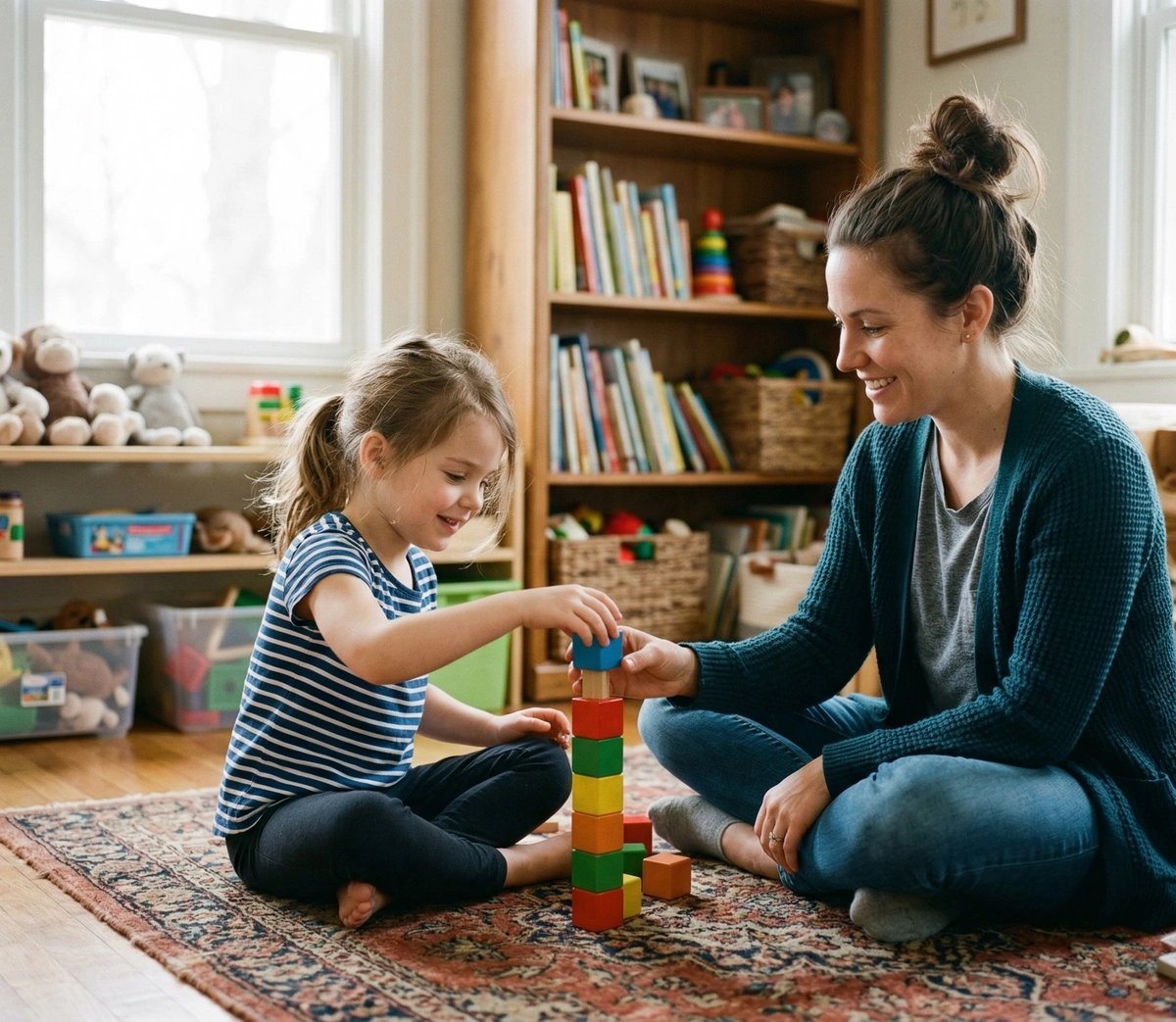
Skill acquisition in ABA isn't guesswork. Your child's BCBA identifies what they can do right now, figures out what they need to learn next, and breaks it into small, manageable steps using task analysis — so your child experiences success at every stage.
We use Discrete Trial Training (DTT) for structured, focused practice — clear instruction, your child responds, immediate feedback. And we use Natural Environment Teaching (NET) to practice skills during everyday moments — requesting a snack while actually wanting one, learning colors while sorting toys they love.
The best programs blend both. DTT builds the foundation. NET makes sure skills transfer to real life. Combined with behavior skills training techniques — prompting, reinforcement, and systematic fading — your child moves from needing help to owning the skill independently.
Learn more about how these methods come together in our in-home ABA services.
Skills We Build Through ABA
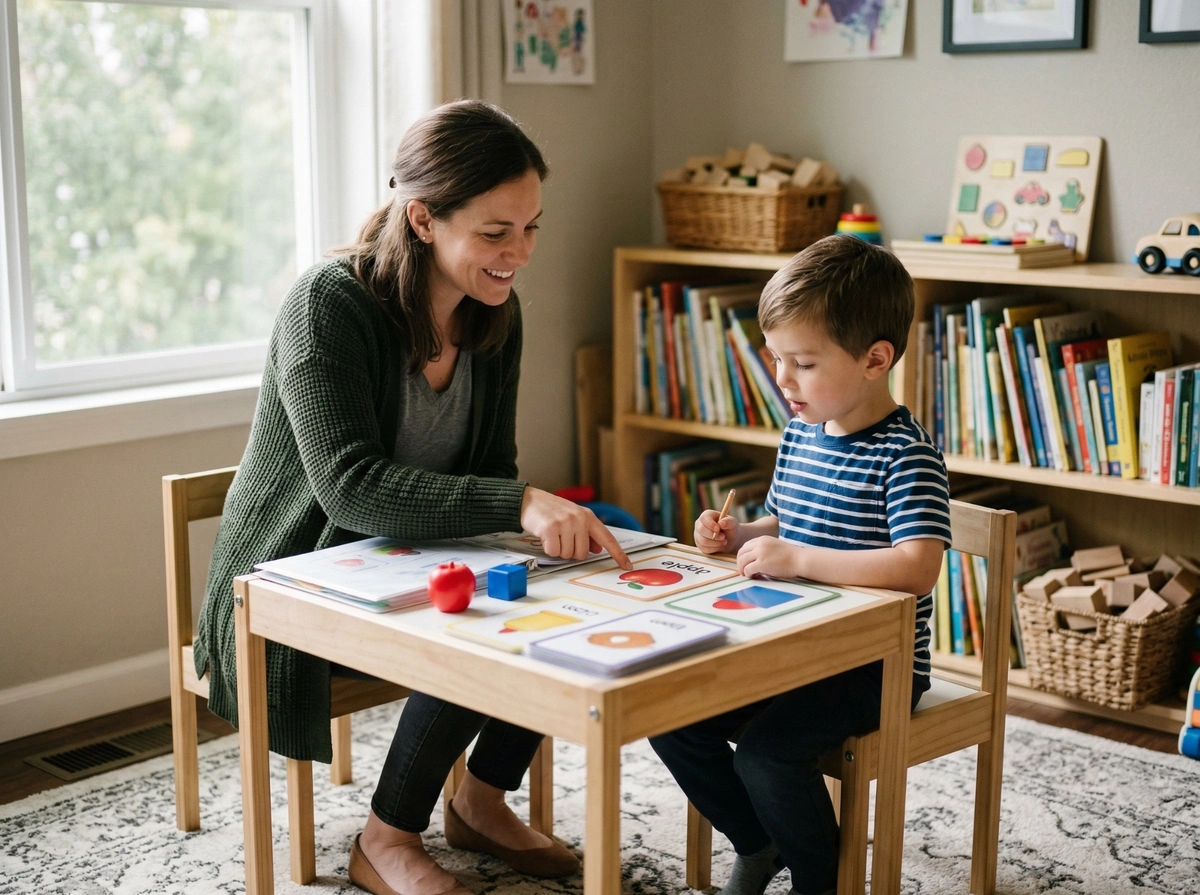
ABA skill acquisition targets the functional abilities that make your child's daily life easier, richer, and more independent. Here are the four core domains we focus on.
Communication & language
Requesting, labeling, conversational skills, and following directions. Your child learns to express what they want, feel, and need — in whatever form works best for them.
Social skills
Turn-taking, joint attention, peer interaction, and cooperative play. Social skills ABA builds the foundation for friendships, classroom participation, and family connection.
Daily living
Dressing, hygiene, feeding, and safety awareness. Every self-care task your child masters is one more moment of genuine independence they own.
Pre-academic & cognitive
Following instructions, sequencing, problem-solving, and matching. The cognitive building blocks that support success in school and beyond.
You might be wondering...
- "My child is in ABA — but what skills are they actually working on?"
- "She's been in therapy for months — why does she still need help with the same things?"
- "He does great in session but can't do it on his own at home"
- "I want therapy that teaches my child real things — not just reduces behaviors"
- "How do I know if the skills she's learning will actually stick?"

Why Home Is Where Skills Stick

Skills practiced where they'll be used
Cooking skills are taught in your kitchen. Hygiene skills are taught in your bathroom. Getting dressed is practiced with their actual clothes. There's no "what do I do when I get home?" gap — your child is already there.
Siblings and family join naturally
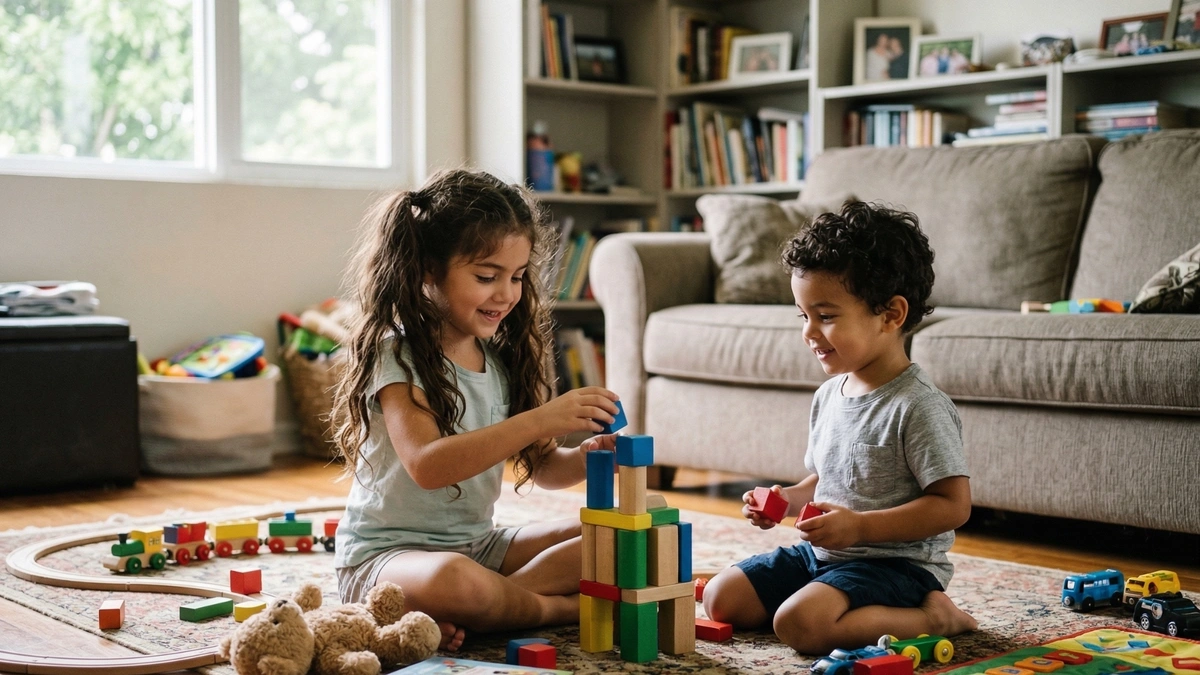
Social skills aren't rehearsed in a vacuum. Siblings, parents, and caregivers participate in real interactions — turn-taking during a board game, sharing during snack time. Generalization happens because the learning environment is the real environment.
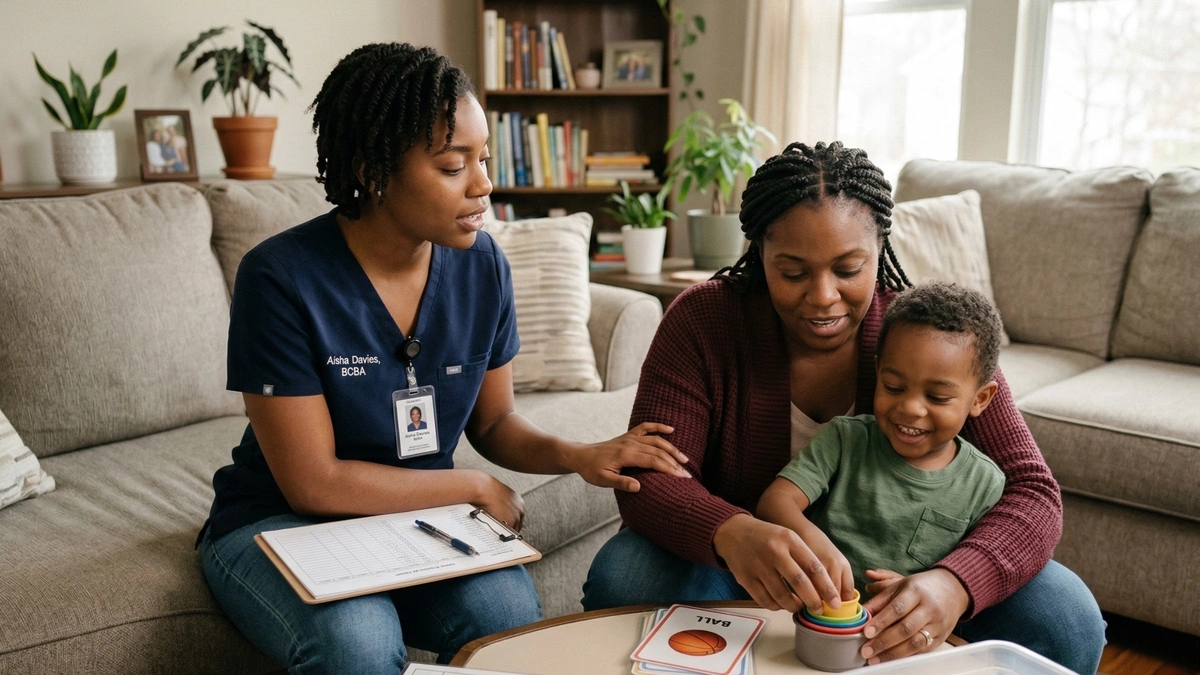
You learn the strategies too
Your BCBA coaches you during sessions so you can reinforce new skills throughout the day. Not as a second therapist — as a parent who knows what to look for and how to respond. Progress doesn't pause when the session ends.
Skill Development Lives Inside Every Session
Skill acquisition isn't a separate service — it's woven into your child's in-home ABA therapy alongside everything else your family needs.
Early Intervention
For children ages 2–5, skill development starts during the critical early years — building communication, social, and daily living foundations when the brain is growing fastest.
Early intervention for young children →Behavior Support
When challenging behaviors get in the way of learning, your BCBA addresses them within the same sessions — identifying what's driving the behavior and teaching replacement skills.
Behavior support →Transition Planning
As your child masters skills, their program naturally shifts toward school readiness, community participation, and independence — connecting today's goals to tomorrow's milestones.
Preparing for school transitions →Find Your Local Team
We deliver skill-building ABA programs in your home across New Jersey, Georgia, and North Carolina.
Your child is capable of more. Let's build the skills to prove it.
Every goal we set, every method we choose, and every adjustment we make is designed to help your child thrive — starting with home.