Strategic Behavioral Skills Training in ABA Therapy
Discover how behavioral skills training in ABA therapy enhances communication and promotes lasting skills.

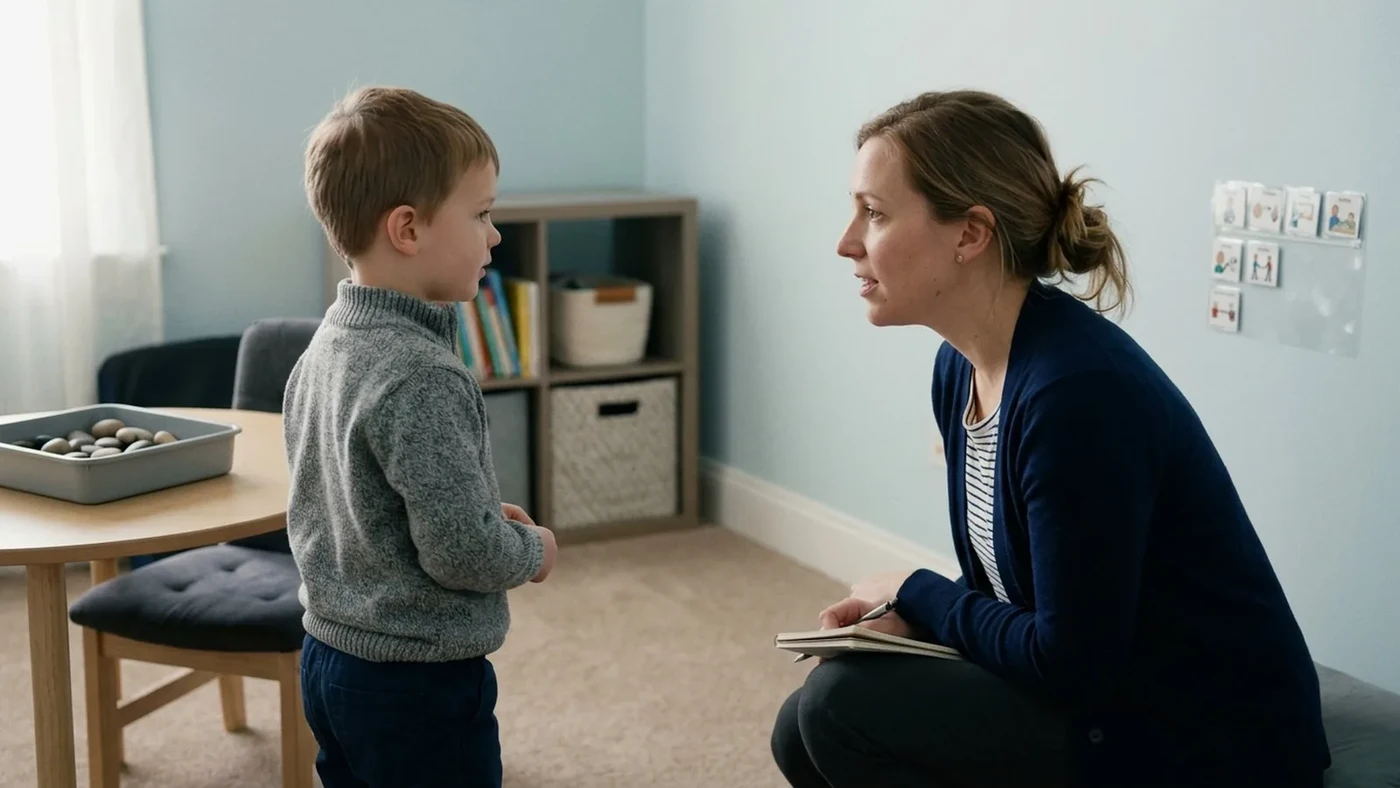
If you've ever watched your child's BCBA explain a strategy to you, demonstrate it, hand it over so you could try it yourself, and then give you a couple of pointers, you have been through Behavioral Skills Training. It is the method in-home ABA therapy uses to teach skills to the adults in a child's life: parents, caregivers, and the behavior technicians who run sessions. Here's how it works, why it outperforms simply being told what to do, and where you'll encounter it.
What Is Behavioral Skills Training?
Behavioral Skills Training (BST) is an evidence-based teaching method in applied behavior analysis that combines four steps: instruction, modeling, rehearsal, and feedback. Instead of stopping at an explanation, BST has the learner watch the skill, practice it, and refine it with immediate coaching until they can perform it reliably.
The method is built on a simple observation: hearing about a skill rarely produces the skill. Doing it, with someone experienced watching and correcting, does. Research consistently finds BST more effective than verbal or lecture-based training at actually changing what people do.
The Four Steps of BST
1. Instruction
The trainer describes the target skill clearly and concisely: what it is, when to use it, and what a correct performance looks like. In a parent training session this sounds like your BCBA walking you through exactly how to respond the next time a demand triggers a meltdown.
2. Modeling
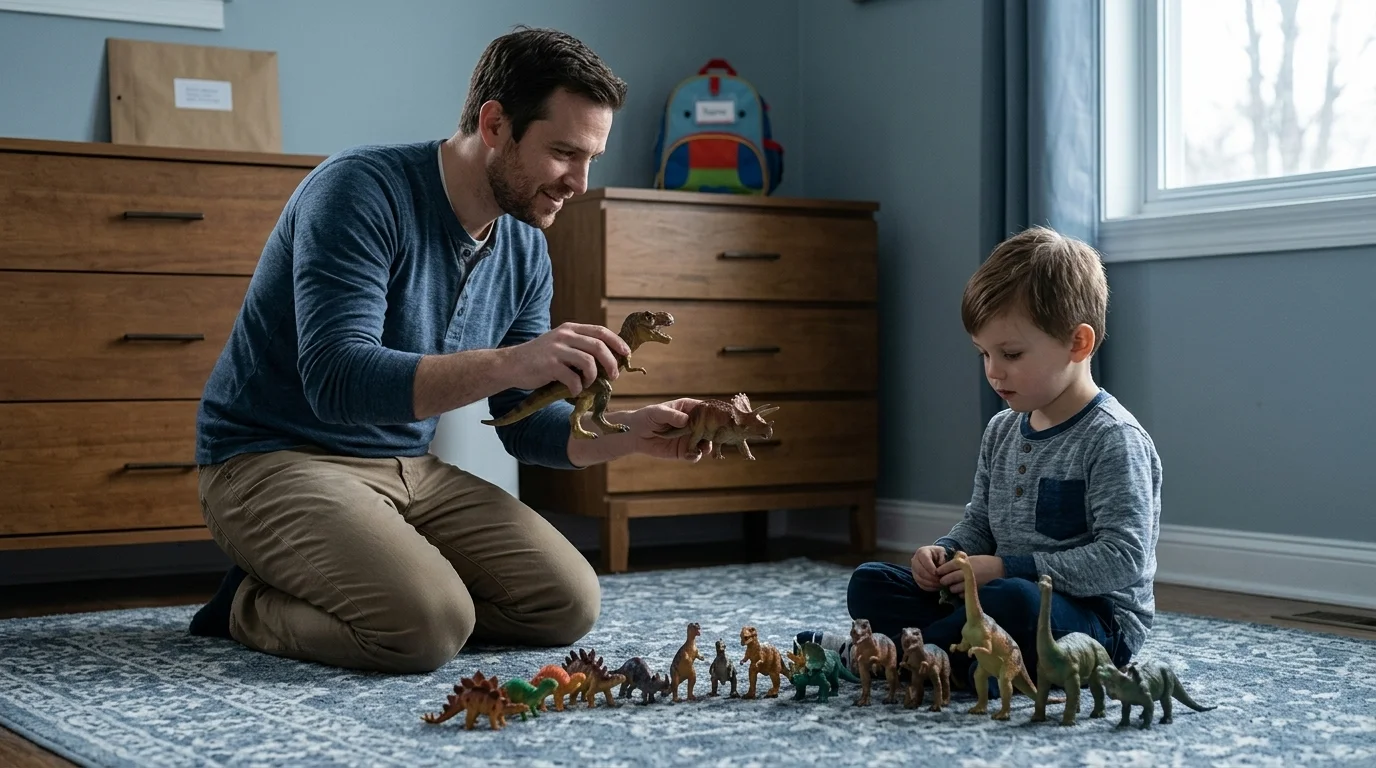
The trainer demonstrates the skill, live or on video, so the learner sees an accurate execution rather than imagining one. Watching your BCBA deliver a prompt and reinforce your child shows you the timing and tone that a written description can only gesture at.
3. Rehearsal
The learner practices the skill in a supportive setting, often through role play before trying it in the real situation. This is where the skill starts to become yours: you run the strategy while the trainer watches.
4. Feedback
The trainer reinforces what went right and coaches what to adjust, immediately and specifically, applying the same shaping principles used with learners. The loop then repeats, rehearsal and feedback cycling until the learner performs the skill accurately and confidently on their own.
Why BST Works So Well
The step that does the heaviest lifting is the pairing of rehearsal with immediate feedback. Practicing while the memory of the model is fresh, and getting corrected before errors become habits, produces skills that hold up under real conditions.
BST is also one of the most reliable methods for promoting generalization, meaning the learner can apply the skill across different settings, people, and situations rather than only in the training room. Because rehearsal can be staged across varied, realistic scenarios, the skill transfers to the kitchen at 5 p.m., the grocery store, and the classroom rather than living only in the session where it was taught.
The evidence base is broad and current. A 2021 systematic review in Behavioral Interventions examined 20 studies and found BST reliably taught teachers and other professionals to implement behavioral interventions with high fidelity, and a 2023 single-case meta-analysis reached the same conclusion across age groups and skill types. As of July 2026, the BACB reports more than 260,000 active Registered Behavior Technicians nationwide, and BST is the standard method used to train them.
Where BST Is Used in ABA
- Parent and caregiver training. This is where most families meet BST. Your BCBA teaches you the strategies from your child's plan using the same four steps, so the plan keeps working between sessions and after therapy hours end.
- Training behavior technicians and staff. BST is the standard for preparing RBTs and other staff, and research shows it outperforms lecture-style training for building real clinical skills. If you are studying for the RBT exam, expect the four components to appear.
- Teaching learners directly. The same sequence teaches children and adults skills like initiating conversations, safety responses, and social interactions, with modeling, role play, and naturalistic teaching methods doing the work that verbal explanation can't.
BST vs. the Teaching Interaction Procedure
Aspiring RBTs and BCBA students often need to distinguish BST from the Teaching Interaction Procedure (TIP), a closely related method. Both use description, modeling, practice, and feedback. The main difference is that the Teaching Interaction Procedure adds explicit steps for labeling the skill and giving the learner a meaningful rationale for why the skill matters before it is demonstrated and practiced. TIP is most often used when teaching social skills directly to learners, while BST is the default for training parents, staff, and caregivers.
What BST Looks Like in Our Parent Training Sessions
In a Mastermind in-home program, parent training runs on BST from the first week. Your BCBA explains one strategy at a time, in plain language, tied to a situation you actually face. You watch it done with your child, in your home, rather than in a video about someone else's. Then you run it while the BCBA observes, and you get feedback on the spot: what to keep, what to adjust, and when to try again. The cycle repeats until the strategy feels natural, and then the next one begins. The goal is that the plan works when we're there and keeps working when we're gone.
Frequently Asked Questions
What are the four steps of behavioral skills training?
Instruction, modeling, rehearsal, and feedback. The trainer explains the skill, demonstrates it, has the learner practice it, and gives immediate specific feedback, repeating the practice-and-feedback loop until the skill is performed reliably.
What is the main difference between BST and the TIP?
The Teaching Interaction Procedure adds explicit steps for identifying the skill and providing the learner a rationale for using it before modeling and practice begin. BST moves straight from instruction to modeling, and is most commonly used for training parents and staff, while TIP is typically used to teach skills directly to learners.
Is BST only for professionals?
No. Parents and caregivers are among the most common recipients of BST, because a child's plan depends on the adults around them running the strategies correctly. If your BCBA has ever demonstrated a technique and then watched you try it, you were receiving BST.