Autism and Gluten-Free, Casein-Free (GFCF) Diet

Mastermind Behavior Clinical Team
·

December 18, 2024

Exploring the Effects and Implementation of GFCF Diet in Autism

Autism Spectrum Disorder (ASD) affects an estimated 1 in 31 children in the United States, according to the CDC's 2023 ADDM Network data1. With prevalence climbing, more families are exploring various therapeutic options, including dietary interventions. Among these, the gluten-free, casein-free (GFCF) diet has gained attention as a possible way to alleviate some symptoms of autism. This article delves into the potential benefits, scientific evidence, implementation strategies, challenges, and broader impacts associated with the GFCF diet for individuals with ASD.

Understanding the GFCF Diet

The gluten-free casein-free (GFCF) diet is an elimination diet that carefully removes gluten and casein from the diet. While gluten is found in grains such as wheat, barley, and rye, casein is a protein found in milk and dairy products. The GFCF diet has been explored for its potential role in managing autism spectrum disorder (ASD) symptoms.

The underlying theory suggests that incompletely digested peptides from gluten and casein may cross the blood-brain barrier and act as opioid-like substances, influencing behaviors often associated with autism. Some studies indicate that children with ASD who adhere to this diet might experience improvements in certain behaviors, including reductions in stereotypical actions and enhancements in cognitive functions. Despite these anecdotal reports, substantial scientific evidence supporting the diet's efficacy is limited. For families weighing dietary changes alongside behavioral support, our overview of in-home ABA therapy explains how feeding-related behaviors can be addressed directly in the home environment.

Research and Findings

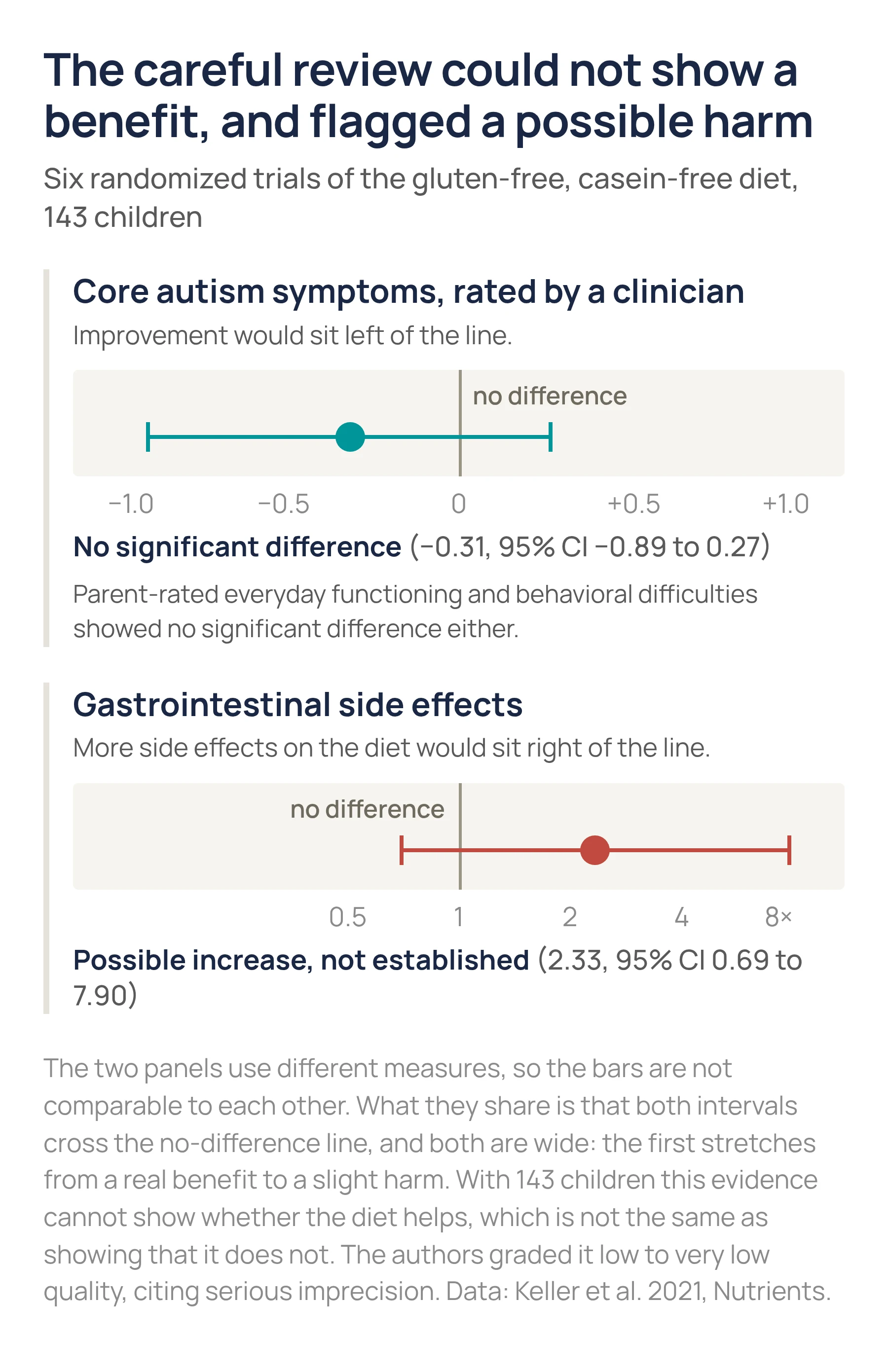
Research on the GFCF diet has produced mixed outcomes. A meta-analysis involving various studies found variable improvements in behaviors, but emphasized the necessity of more rigorous trials to substantiate these claims.

Moreover, while some parents report positive changes in their children's behavior, such findings have not been universally confirmed in clinical settings. The concern of potential nutritional deficiencies arises, particularly lack of calcium and protein, necessitating careful meal planning and professional guidance for families considering the GFCF diet. Overall, the existing evidence does not provide conclusive support for the GFCF diet as a standard treatment for autism, urging caution among caregivers.

Behavioral and Gastrointestinal Benefits

The gluten-free/casein-free (GFCF) diet has emerged as a topic of interest among parents and researchers alike, aiming to improve the symptoms associated with autism spectrum disorder (ASD). Many parents have reported behavioral improvements after implementing this diet. Common observations include:

  • Reduced hyperactivity: Some children exhibit calmer behaviors.
  • Enhanced speech: Improvements in communication skills and language use have been noted.
  • Better sleep quality: Parents report that their children sleep better on the diet.

Dietary Impact on Gastrointestinal Health

In addition to behavioral changes, the GFCF diet appears to benefit gastrointestinal health. Children with ASD often experience gastrointestinal issues, with studies indicating a prevalence of 23% to 70%. Implementing a GFCF diet may help alleviate:

  • Digestive discomfort: Many families observe fewer complaints about stomach issues.
  • Improved bowel movements: Parents note that their children have more regular and healthier bowel patterns.

Research supports these claims to some extent, suggesting that avoiding gluten and casein might reduce intestinal permeability, commonly known as "leaky gut." While objective scientific evidence remains mixed, parents continue to report positive changes, highlighting the importance of thorough exploration into this potential dietary intervention for autism-related symptoms.

Analyzing Scientific Evidence

The gluten-free/casein-free (GFCF) diet attracts many parents as a potential alternative treatment for autism spectrum disorder (ASD). However, the scientific evidence regarding its effectiveness remains limited and inconsistently supports its use.

A meta-analysis of randomized controlled trials has indicated some potential benefits, particularly in reducing stereotypical behaviors and improving cognitive function among children on the GFCF diet. Yet, these findings are not universally acknowledged within the scientific community. Studies often depend on subjective testimonials from parents, raising questions about the reliability of the results. Many families report anecdotal improvements in cognitive and behavioral symptoms, but these are not consistently reflected in controlled scientific studies.

The National Institute for Health and Care Excellence (NICE) Autism Guidelines express reservations about exclusion diets like the GFCF diet in managing autism's core symptoms. Furthermore, concerns over nutritional deficiencies associated with the GFCF diet could pose risks for children, highlighting the importance of thorough nutritional evaluation before adopting such restrictive dietary measures.

Critical reviews and meta-analyses

Research reviews across multiple databases have pointed out significant methodological flaws in earlier studies evaluating the GFCF diet, such as small sample sizes and lack of control groups. A systematic review conducted by the Cochrane Library in 2008 concluded that the evidence for the GFCF diet's effectiveness was poor, and subsequent analyses echoed these findings.

Continuous scrutiny in literature also emphasizes the necessity for larger, well-designed studies to establish more definitive conclusions regarding the GFCF diet for autism. Therefore, despite some reported improvements by families, research does not robustly support the GFCF diet as an effective treatment for autism, underscoring the complexity and individual variability in this area of study. For an evidence-based comparison, see the difference between ABA therapy and other therapies.

Implementing the GFCF Diet

Implementing the Gluten-Free Casein-Free (GFCF) diet involves a systematic approach to eliminate all gluten and casein from the diet. This includes avoiding:

  • Gluten Sources: Wheat, barley, rye, and products containing these grains.
  • Casein Sources: Dairy products such as milk, cheese, and yogurt.

Parents typically start by getting rid of these food items from their households to facilitate adherence to the diet. It's suggested to maintain a strict elimination for at least 2-3 weeks before assessing changes in behavior or health. Some families report noticing improvements in areas like language skills, cognition, and gastrointestinal health after adopting the GFCF diet.

Nutritional considerations while on the diet are crucial.

Removing gluten and casein can lead to potential nutrient deficiencies, especially in calcium, vitamin D, and essential amino acids. To prevent these deficiencies, families are encouraged to:

  • Consult with a registered dietitian for tailored dietary advice.
  • Include gluten-free grains like rice and quinoa, and plant-based milk alternatives to ensure a varied intake.
  • Focus on whole foods such as fruits, vegetables, lean meats, nuts, and seeds.

Moreover, it's vital to monitor nutritional intake and consider fortified foods where appropriate. While some children may benefit from the GFCF diet, ongoing research and professional guidance are essential to ensure a balanced and healthful approach. Families who struggle with food selectivity or rigid mealtime routines may also benefit from structured parent training to address the behavioral side of feeding.

Challenges and Risks of Long-term Adherence

Long-term adherence to the gluten-free and casein-free (GFCF) diet poses several challenges and potential risks that families should consider. One significant concern is the risk of nutritional deficiencies. For instance, eliminating dairy can lead to a lack of essential nutrients such as calcium and vitamin D, crucial for bone health. This deficiency can ultimately result in poor bone development and an increased risk of fractures.

Social implications also arise with the strict dietary restrictions. Children on the GFCF diet may experience social isolation due to their inability to partake in typical foods during gatherings or community activities. This could hinder their social interactions and lead to feelings of exclusion. Additionally, reliance on processed gluten-free products, which often have a higher fat content, raises concerns about overall dietary balance and the risk of developing cardiovascular issues.

Another challenge is the economic burden that comes with following a GFCF diet. The high costs of gluten-free foods can create financial strain for families, making it difficult to maintain adherence over the long term. Limited availability of these specialized products in some areas can further complicate meal planning and prepare children for broader eating environments. Overall, these factors highlight the complexity of maintaining the GFCF diet in the long run.

Broader Health Implications of Gluten and Casein

The impact of gluten and casein on health and behavior in individuals with autism spectrum disorder (ASD) remains a subject of ongoing debate. Various studies have shown that gastrointestinal (GI) symptoms are prevalent in children with ASD, with estimates ranging from 23% to 70%. This prevalence suggests a potential link between dietary proteins and bodily functions, leading some to explore the potential benefits of a gluten-free, casein-free (GFCF) diet.

Some research indicates that children on the GFCF diet may experience improvements in cognitive skills and reductions in stereotypical behaviors. For example, significant reductions in behavioral symptoms associated with autism have been reported, with certain studies showing mean differences suggesting cognitive benefits (SMD \= -0.46). However, these findings are not universally accepted, as other studies have found no significant changes in autism symptoms or behaviors when children eliminate gluten and casein from their diets.

Moreover, while many parents report anecdotal success stories regarding behavioral changes and GI improvements, major systematic reviews illustrate a lack of convincing evidence affirming the diet's effectiveness. Most comprehensive reviews highlight the need for more rigorous clinical trials and larger participant groups to draw definitive conclusions.

Current consensus among researchers indicates that unless specific allergies are identified, a GFCF diet should not be prescribed as a standard treatment. Nutritional planning is essential as the diet can lead to deficiencies, particularly in calcium and essential amino acids, stressing the importance of ongoing assessment and dietary counseling for children on this diet.

Components of the GFCF Diet

The Gluten-Free Casein-Free (GFCF) diet is structured around eliminating specific proteins that some families believe may aggravate autism symptoms. The items to avoid mainly include:

  • Gluten-containing foods: These are found in wheat, barley, and rye. Consequently, foods such as bread, pasta, and most cereals are removed from the diet.
  • Dairy products: Since casein is present in milk and its derivatives, all dairy products, including cheese, yogurt, and milk, must also be eliminated.

On the other hand, safe food options for the GFCF diet are important for maintaining nutritional balance. This includes:

  • Gluten-free grains: Rice, quinoa, and corn serve as suitable replacements for traditional grains.
  • Dairy alternatives: Almond milk, coconut milk, and other non-dairy milk substitutes can fulfil similar roles in dietary routines.
  • Whole foods: A variety of fruits, vegetables, meats, fish, nuts, and legumes are encouraged, ensuring that the child receives essential nutrients while avoiding gluten and casein.

Alternative food options

When adopting a GFCF diet, it is crucial to explore various food options to maintain interest and enjoyment in meals. Some herb and spice mixtures can enhance flavor without adding gluten or casein. Parents can also use gluten-free baking mixes for treats, ensuring those with a sweet tooth find satisfaction in their diets.

To sum it up, navigating a GFCF diet requires careful planning and a variety of foods while strictly avoiding gluten and casein to observe any potential benefits in behavior and health.

The Opioid Theory and 'Leaky Gut'

The opioid theory posits that incompletely digested peptides from gluten and casein may act similarly to opioids in the brain. These peptide fragments can bind to opioid receptors, possibly impacting behavior and cognition. In children with Autism Spectrum Disorder (ASD), interactions with these peptides might contribute to symptoms like social withdrawal, irritability, or cognitive fog. This theory forms part of the rationale behind the Gluten-Free Casein-Free (GFCF) diet, as it aims to remove these potentially harmful peptides from the diet, thereby reducing their effects on autism symptoms.

The role of leaky gut syndrome

Leaky gut syndrome is characterized by increased intestinal permeability, allowing larger molecules and peptides, including gluten and casein fragments, to enter the bloodstream. This process may trigger inflammation and exacerbate issues related to autism, including behavioral problems. Proponents of the GFCF diet argue that by eliminating gluten and casein, the diet provides a means of managing gut health, which may subsequently improve behavior and cognition in children with ASD.

However, while there are anecdotal reports from parents observing positive changes in their child's behavior after removing these proteins, scientific studies have yielded mixed results. Some studies found no statistically significant changes associated with the GFCF diet, indicating the need for further research into the true efficacy of this dietary approach. The debate continues as families navigate potential dietary adjustments in pursuit of improvements in their children's symptoms.

Parental Perspectives and Experiential Reports

Many parents report positive changes in their children after adopting the Gluten-Free Casein-Free (GFCF) diet. Some of the frequently mentioned improvements include:

  • Enhanced speech skills
  • Better sleep quality
  • Reduction in disruptive behaviors
  • Increased focus and attention

These subjective reports contribute to the growing popularity of the GFCF diet among families seeking to manage autism spectrum disorder (ASD) symptoms. However, these anecdotes are not backed by robust clinical evidence, raising questions about the reliability of such claims.

Challenges of relying on anecdotal evidence

While parents' observations are compelling, they can be influenced by various factors, including:

  • Concurrent interventions
  • Environmental changes
  • Placebo effects, where expectations shape outcomes

This illustrates the importance of conducting well-controlled, comprehensive research to assess the diet's effectiveness more rigorously. Until such studies can confirm these anecdotal benefits, it's crucial for parents to remain thoughtful and consult healthcare professionals when considering dietary changes for their children with ASD.

Future Directions and Research Needs

The future of research on Gluten-Free Casein-Free (GFCF) diets for autism treatment calls for rigorous, large-scale studies with robust methodologies. Current evidence remains inconclusive largely due to small sample sizes and studies lacking appropriate controls. This situation emphasizes the necessity for clearer and more definitive outcomes before endorsing the GFCF diet as a reliable intervention for autism spectrum disorder (ASD).

Furthermore, individualized responses to dietary interventions need closer examination. While some children on GFCF diets report improvements, others show no significant change, indicating potential variability based on genetic, environmental, or health factors. Understanding these differences could help tailor dietary approaches to specific needs, improving overall effectiveness.

Additionally, collaboration between nutritional experts and behavioral specialists is crucial. By working together, they can develop comprehensive, evidence-based dietary guidelines to assist families considering the GFCF diet. This approach would ensure that any dietary adjustments not only support potential behavioral or cognitive benefits but also adhere to essential nutritional requirements for children, thus avoiding deficiencies often associated with restrictive diets.

In summary, advancing GFCF dietary research is essential to better understand its role in autism treatment and to provide families with sound, scientifically backed recommendations.

Conclusion

In sum, while the GFCF diet remains a popular alternative intervention among families coping with autism spectrum disorders, its scientific backing is currently insufficient. The anecdotal reports of improvement provide a hopeful yet blurry picture, overshadowed by nutritional concerns and varied study outcomes. Nevertheless, continuing to research this diet could eventually provide crucial insights and more robust guidance for those in search for diets supporting well-being in autism. Collaboration with healthcare providers, including registered dietitians, is critical in balancing experimentation with the nutritional needs of children affected by ASD.

Why Mastermind Behavior

Mastermind Behavior is a BCBA-owned and operated in-home ABA therapy provider serving families across New Jersey, Georgia, and North Carolina. Our BCBAs design each child's program after seeing how mealtime, transitions, and behavior actually unfold in your kitchen and at your family table. Our Behavior Technicians (BTs) then run the structured teaching trials right where the eating happens, the highchair tray that becomes a battleground, the school lunchbox that comes home untouched, the snack request that turns into a meltdown when the answer is "later." Our parent training coaches help caregivers stay consistent across meals, so a new food does not get rejected one day and forced another. For families exploring the GFCF diet alongside behavioral support, an in-home program can complement dietary changes by directly addressing the feeding-behavior side of the picture, food selectivity, mealtime escape, and the rigid food rules many children develop. With a 90%+ staff retention rate and no onboarding waitlist, most families begin direct services within six weeks of their initial assessment.

If feeding behavior is part of what is making each meal hard, schedule a free consultation or call 732.507.9883. We will listen to your actual feeding routines, what foods are in, what is out, what time of day falls apart, and help you figure out whether ABA support is the right next step. No pressure, no commitment.

References

Written by
Mastermind Behavior Clinical Team
BCBA-owned ABA provider
Content produced by the clinical team at Mastermind Behavior, a BCBA-owned in-home ABA provider serving NJ, GA, and NC.
Read full profile
Nurturing potential.
Inspiring hope. Creating futures.
Your child’s ASD diagnosis does not define them. Give your child the skills to thrive TODAY.
Contact Us
Share this article