Autism and Equine Therapy Explained
Discover how autism and equine therapy can enhance social skills and behaviors for lasting success.

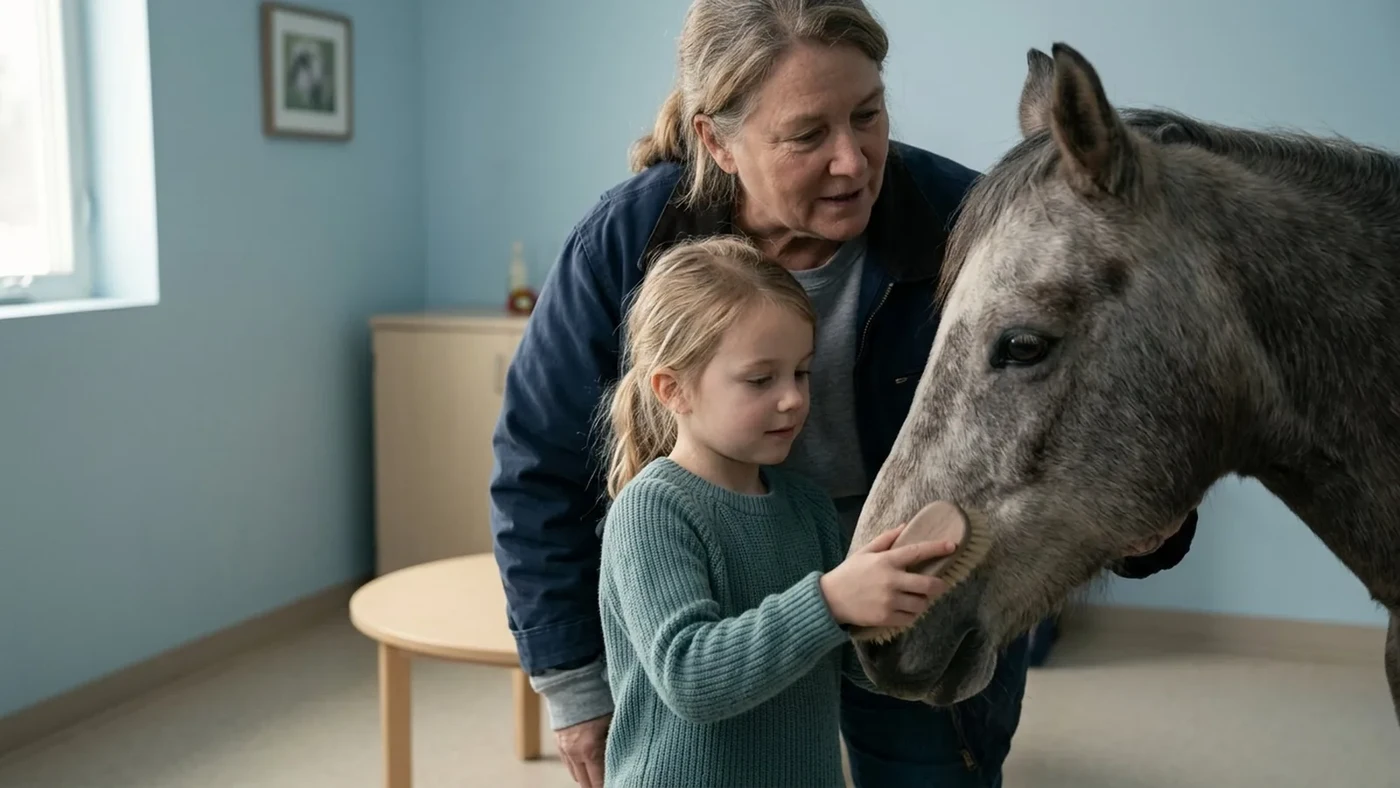
Equine therapy, also known as horse therapy, involves engaging in various equine-related activities along with the presence of horses. These activities typically include both mounted experiences, such as therapeutic horseback riding, and non-mounted interactions like grooming and caring for the horse. This form of therapy is sometimes used alongside conventional autism supports because it combines structured activity with the calming, sensory-rich environment that horses provide.
The fundamental idea behind equine therapy is that horses can create a calming environment and provide sensory input that can be beneficial for individuals with autism. The interactions have the potential to support social engagement and communication skills, making it an appealing complement to evidence-based therapies such as Applied Behavioral Analysis (ABA) therapy. For families weighing equine programs against other options, our overview of in-home ABA therapy explains what an evidence-based behavioral program looks like day to day.
Benefits of Equine Therapy
Equine therapy offers numerous advantages for individuals with autism. Research has indicated that it can have positive effects on behavioral skills, and to some extent, on social communication (NCBI). A study led by Robin Gabriels in 2015 involving 127 participants showed that children engaged in a 10-week horse therapy program exhibited improvements in irritability, hyperactivity, and even increased word fluency compared to those who did not engage with horses in a barn setting (Autism.org).
The key benefits can be summarized as follows:
| Benefit | Description |
|---|---|
| Behavioral Skills | Enhances regulating behaviors and emotional responses in various situations. |
| Social Communication | Encourages socialization and improves communication skills through interaction with therapists and horses. |
| Physical Coordination | Engaging with horses may aid in developing motor skills and physical coordination. |
| Sensory Integration | Provides sensory experiences that help individuals with sensory processing issues. |
Despite the positive outcomes, it is important to note that while equine therapy shows promise, evidence regarding its effects on perceptuo-motor, cognitive, and functional skills remains limited (NCBI). For families looking to combine equine work with a structured behavioral program at home, our overview of skill development explains how those gains can be reinforced day to day.
Research Findings on Equine Therapy
Research into equine therapy reveals promising positive outcomes for individuals with autism spectrum disorder (ASD). The following sections discuss the positive effects on social skills and improvements in behavior as a result of engaging in equine therapy.
Positive Effects on Social Skills
Studies have demonstrated that equine therapy helps enhance social communication abilities among participants with ASD. A systematic review identified significant improvements in social communication, behavioral, sensory, and motor skills during equine-assisted activities.
In a notable study led by Robin Gabriels in 2015 involving 127 participants, a 10-week horse therapy program resulted in improved word fluency and overall social interaction for children engaged in equine activities, compared to those who participated in non-horse-related activities (Autism.org).
The following table summarizes various studies highlighting improvements in social skills through equine therapy:
| Study | Participants | Duration | Findings |
|---|---|---|---|
| Gabriels et al. 2015 | 127 | 10 weeks | Increased word fluency and social interaction |
| Follow-up Study | 64 | 6 months | Sustained improvements in social communication |
| Systematic Review | Varies | N/A | Positive effects on social communication skills |
Improvements in Behavior
Equine therapy also shows significant benefits in behavior management for individuals with autism. A follow-up study six months after therapy revealed continued reductions in irritability, while some participants maintained improved social communication and word fluency compared to a control group.
An analysis of various studies indicated small to medium-sized effects of equine therapy on behavioral skills. Specifically, four out of 15 reviewed studies reported positive outcomes in sensory skills following equine therapy.
The following table showcases findings related to behavioral improvements from equine therapy:
| Study | Participants | Key Behavioral Improvements |
|---|---|---|
| Gabriels et al. 2015 | 127 | Reduced irritability and hyperactivity |
| Follow-up Study | 64 | Continued reductions in irritability, enhanced social communication |
| NCBI Analysis | Varies | Small to medium improvements in behavioral and sensory skills |
The evidence suggests that equine therapy can be a valuable component in supporting individuals with autism, fostering social growth and positive behavior changes. For broader context, families often combine these experiences with structured skill development work to help the gains carry over into school, home, and community settings.
Types of Equine Therapy Programs
Equine therapy serves as a therapeutic approach for individuals with autism, utilizing horses to foster growth in social and emotional domains. This section highlights two primary types of equine therapy programs: therapeutic horseback riding and hippotherapy.
Therapeutic Horseback Riding
Therapeutic horseback riding involves mounted activities where individuals interact with horses in a controlled setting. This type of program is designed to improve physical, emotional, and social skills. Participants engage in riding exercises tailored to their abilities, which can encourage increased confidence, coordination, and balance.
| Benefits of Therapeutic Horseback Riding | Description |
|---|---|
| Emotional Regulation | Helps individuals manage emotions more effectively. |
| Social Skills | Offers opportunities to develop communication and teamwork. |
| Physical Fitness | Enhances core strength and coordination through riding. |
| Self-Esteem | Builds confidence as participants learn to control the horse. |
Equine therapy can enhance various skills, as it not only involves riding but also caring for the horse through grooming and feeding, which fosters responsibility and empathy. These hands-on routines can translate into daily-life independence when paired with consistent practice at home.
Hippotherapy and Its Benefits
Hippotherapy is a specialized form of equine therapy that specifically uses the movement of the horse to improve physical and occupational therapy goals. This therapy is often conducted under the guidance of licensed health professionals. The movement of the horse mimics natural human gait, providing a unique therapeutic experience that can enhance muscle tone, balance, and coordination.
Some notable benefits of hippotherapy include:
| Benefits of Hippotherapy | Description |
|---|---|
| Improved Motor Skills | Helps enhance gross and fine motor functions through targeted movements. |
| Sensory Integration | Facilitates sensory processing by engaging multiple senses. |
| Cognitive Improvements | Encourages focus and attention during activities. |
| Emotional Benefits | Provides a calming experience that can reduce anxiety. |
Both therapeutic horseback riding and hippotherapy integrate physical activity within a safe context, which is essential for children and adults with autism. Understanding these types of equine therapy programs offers valuable perspectives on how engaging with horses can have profound effects on individuals' social and emotional development.
Implementing Equine Therapy
Equine therapy involves more than just riding horses; it incorporates key life skills that can significantly benefit individuals on the autism spectrum. Two critical components in implementing this therapy are setting individual goals and teaching responsibility and empathy.
Setting Individual Goals
Establishing individual goals for each participant is essential in equine therapy. These goals can vary based on the specific needs and capabilities of the individual. By tailoring objectives, therapists can address areas such as communication, social skills, and physical fitness.
Through this approach, individuals can work on skills like speech and socialization while engaging with the horses. Some examples of individualized goals include:
| Goal Type | Specific Focus |
|---|---|
| Communication Skills | Enhance verbal and non-verbal communication |
| Social Skills | Improve interaction with peers and instructors |
| Physical Fitness | Increase coordination and balance while riding |
This customized focus allows for a more meaningful and targeted experience, leading to improved outcomes in various aspects of life.
Teaching Responsibility & Empathy
A vital part of equine therapy involves teaching participants how to care for horses in addition to riding them. Taking responsibility for a horse helps individuals see the world from the animal's perspective, which fosters understanding and empathy.
Engaging in tasks such as grooming, feeding, and maintaining the horse's equipment contributes to valuable life lessons. The process of caring for a horse instills a sense of responsibility, as each task requires attention and commitment.
Programs like those offered by GallopNYC demonstrate this approach effectively. Participants are encouraged to collaborate in caring for their equine companions, which builds essential skills that extend beyond the therapy sessions.
Furthermore, students involved in equine therapy report enhanced self-confidence and willingness to try new experiences as they bond with the horses. The responsibilities associated with horse care enable participants to develop a sense of achievement, which significantly impacts their overall self-esteem.
The integration of goal setting and responsibility training within equine therapy not only aids individuals on the autism spectrum but can also promote success in broader contexts, including autism and vocational training.
The Impact of Equine Therapy
Equine therapy is more than just a recreational activity; it can have profound effects on individuals with autism. Its impact extends beyond the therapy sessions, fostering long-term benefits and practical applications in daily life.
Long-term Benefits
Research indicates that human-animal interventions, such as horse therapy, significantly improve emotional health and social well-being in youth diagnosed with autism spectrum disorder. Some long-term benefits include:
- Improved Social Skills: Engaging with horses fosters communication and interaction, leading to enhanced social skills.
- Behavioral Improvements: Equine therapy helps teach self-regulation and appropriate behavior, resulting in better decision-making.
- Increased Independence: Individuals often learn essential life skills, which can lead to improved independent living capabilities. Equine therapy teaches riders not only how to ride but also how to care for horses, cultivating responsibility and empathy.
A compilation of studies shows small to medium-size effects on various skills, including social communication and motor skills, with lasting positive impacts on quality of life (PMC).
| Benefit | Description |
|---|---|
| Social Skills | Improved ability to communicate and connect with others |
| Behavioral Skills | Enhanced self-regulation and decision-making abilities |
| Life Skills | Development of essential skills for independent living |
Extending into Daily Life
The benefits of equine therapy extend beyond the therapy environment and can significantly influence daily living. Participants often find themselves more engaged in different aspects of life:
- Skill Transfer: The social and practical skills learned during equine therapy can translate into other environments, such as school or home.
- Building Confidence: Individuals may experience a boost in self-confidence from their interactions with horses, making them more willing to try new experiences and take social risks.
- Community Inclusion: Programs that incorporate equine therapy often lead to increased participation in community activities. This fosters a sense of belonging and supports community integration, which is vital for individuals with autism.
In summary, the integration of equine therapy into a comprehensive approach to autism care can lead to substantial long-term benefits and meaningful changes in daily life. By enhancing social connections, improving behavior, and teaching life skills, equine therapy not only helps individuals with autism but also inspires them to lead fulfilled and independent lives.
Why Mastermind Behavior
Mastermind Behavior is a BCBA-owned and operated in-home ABA therapy provider serving families across New Jersey, Georgia, and North Carolina. Our BCBAs design each child's plan after watching how social, motor, and regulation skills actually break down in your home, not in a once-a-week clinic visit. Our Behavior Technicians (BTs) then run the teaching trials in the rooms and routines where those skills need to land, the front-door transition that always escalates, the sibling interaction that needs scaffolding, the playground re-entry after a hard morning. Our parent training coaches give you the same prompts and reinforcement strategies the BTs use, so your child practices with you, not just with us. Many families pair animal-assisted experiences like equine therapy with an in-home ABA program because the sensory-rich, hands-on skills children build in the arena need a system at home to generalize, the brushing routine becomes a chore at home, the joint attention with the horse becomes joint attention with a sibling. With a 90%+ staff retention rate and no onboarding waitlist, most families begin direct services within six weeks of their initial assessment.
If your family is combining equine therapy with other supports, or weighing where to start, schedule a free consultation or call 732.813.7333. We will listen to the everyday situations where social and behavioral progress matters most for your child and help you map out what an in-home ABA program could add. No pressure, no commitment.