The Role of Exercise in Improving Focus and Behavior
Harnessing Physical Activity for Mental and Behavioral Benefits


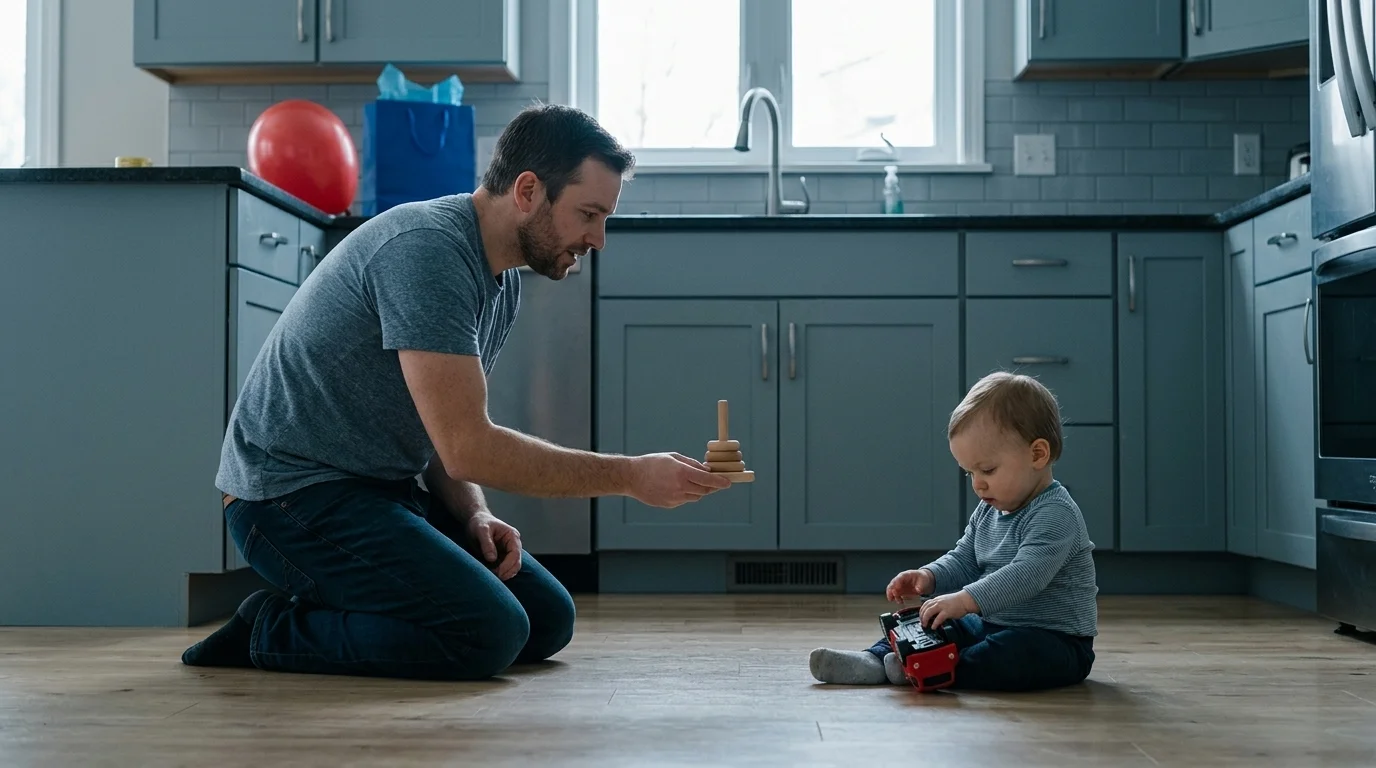
Your seven-year-old has been home from school for twenty minutes and has already circled the living room a dozen times, climbed the back of the couch twice, and asked you the same question four times. You can see the energy with nowhere to go. Before you reach for the tablet to buy a few minutes of quiet, it helps to know that the restlessness and the trouble focusing are often two ends of the same wire. For many children, including children with autism, regular physical activity is one of the most reliable ways to take the edge off that energy and steady attention and behavior afterward. This article walks through what the science actually says about exercise, focus, and emotional regulation, and how to put movement to work in a way that helps your child rather than fighting it.
The Science Behind Exercise and Cognitive Enhancement
Exercise is a powerful tool for cognitive health across the whole lifespan. Regular physical activity has been shown to support the brain's resilience and help preserve cognitive abilities over time. For children, that translates into something parents care about day to day: sharper attention and steadier behavior.
Aerobic fitness and brain function
Aerobic fitness helps preserve brain structure and function. Higher cardiorespiratory fitness has been linked to larger hippocampal volumes, which track with better memory performance. Studies also show that people who exercise demonstrate improved cognitive control compared with those who do not, and even moderate movement, such as brisk walking for at least 120 minutes a week, can sharpen memory and thinking over time.
Molecular pathways influenced by exercise
At the molecular level, exercise drives pathways that matter for synaptic plasticity. The standout is brain-derived neurotrophic factor (BDNF), a protein that supports neuron survival and the synaptic plasticity behind learning and memory. Regular physical activity raises BDNF levels, which is a big part of why movement can boost cognitive function without a prescription pad.
Exercise and Its Impact on Mental Health in Adolescents
Regular physical activity in the teen years plays a real role in mental health. Consistent exercise is linked to better mood, lower anxiety, and steadier emotional regulation. Teens with higher aerobic fitness tend to report fewer symptoms of depression and anxiety.
Comparison with non-exercise peers
Compared with their less active peers, teens who move regularly tend to show stronger cognitive performance and more emotional resilience. They also tend to self-regulate better, which shows up as improved focus and behavior in the classroom.
Exercise as a resilience factor
Physical exercise works as a buffer against mental health struggles. It supports neuroplasticity, the structural and functional brain changes that protect cognitive health, and regular aerobic activity can serve as an effective non-pharmacological support for conditions like depression and ADHD.
Boosting Focus and Behavior in Children and Adolescents
Physical activity pays off for focus and self-regulation in children. Research suggests regular exercise can lengthen attention spans, improve memory, and lift overall cognitive skill, with fitter children tending to outperform less active peers on cognitive tasks. A likely driver is the increased blood flow during exercise, which delivers oxygen and nutrients the brain needs to run well.
Moderate-intensity movement, like brisk walking or cycling, has also been tied to gains in executive function, the set of skills behind problem-solving and organization. Those gains get stronger when movement is paired with calming, focusing activities. In our practice, families who build a short burst of movement into the after-school transition usually notice a difference within the first couple of weeks, often before anything else in the routine has changed.
Exercise's role in managing ADHD-style focus challenges
Does exercise help improve focus? For many children, yes, especially when impulsivity and hyperactivity are in the mix. Both aerobic and resistance activity have been shown to support attention and executive functioning, partly through the increased release of neurotransmitters like dopamine and norepinephrine. Short bursts of movement double as mental breaks while promoting cognitive flexibility and response inhibition, which adds up to better focus through the day. For young children, group movement also creates natural chances to practice copying what they see, which is why how to encourage imitation skills in young children with asd often pairs well with active play. Folding movement into a daily routine, alongside therapeutic support, can genuinely help a child who is wrestling with attention.
Neuroplasticity: The Brain's Response to Physical Exercise
Exercise has a deep effect on brain health by boosting neuroplasticity, the brain's ability to adapt and change. A primary player is brain-derived neurotrophic factor (BDNF), which supports neuron survival and synaptic plasticity, both essential for learning and memory. Physical activity raises BDNF, which improves cognitive functions like executive functioning and memory retention. Higher cardiorespiratory fitness correlates with higher BDNF, a meaningful edge for resisting cognitive decline.
Exercise's contribution to neurogenesis
Exercise does not just raise BDNF; it also encourages neurogenesis, the formation of new neurons, especially in the hippocampus, the region tied to memory and learning. Regular aerobic activity such as running or cycling stimulates new neurons while strengthening existing connections, which builds cognitive resilience. Across childhood, adulthood, and older age, that protective effect holds, making movement one of the steadiest defenses against cognitive deterioration.
Exercise as a preventive measure across the lifespan
Regular aerobic exercise, often recommended at about 150 minutes a week for adults, helps maintain cognitive abilities over time, and active people tend to show larger hippocampal volumes and better spatial memory. Physical activity also lifts mood and lowers symptoms of anxiety and depression, so the payoff is both cognitive resilience and steadier mental health. For a child, the same machinery that protects an aging brain is the machinery that helps a developing one focus, regulate, and learn.
Leveraging Exercise Psychology for Cognitive Improvement
Exercise psychology offers useful insight into how movement sharpens the mind. Beyond improving overall mental health, it points to performance strategies that lift cognitive clarity.
Techniques like mindfulness and deep breathing are especially effective. They help athletes hold focus under pressure, and the same tools work in everyday life to manage distraction and tighten concentration.
Goal setting is another cornerstone. Setting achievable targets builds motivation and lowers anxiety, and visualizing success while tracking progress creates the right conditions for cognitive gains.
Mental toughness, built through consistent training, rounds it out. That resilience helps a person manage stress and recover from setbacks, which supports better performance at school, at work, and at home.
Exercise's Role in Stress Reduction and Mood Improvement
Regular exercise lowers stress hormones like adrenaline and cortisol. The body ramps up briefly during activity, but afterward those hormones drop, which leaves a real sense of calm.
Exercise also stimulates endorphins, the neurotransmitters tied to feelings of happiness and ease. That chemical shift lifts mood and takes the edge off stress, which adds up to better emotional well-being.
Role of physical activity in emotional regulation
Physical activity is a genuine lever for emotional regulation, acting as a buffer against stress and anxiety. Even moderate aerobic movement can deliver quick relief and a more positive mindset, while also building self-esteem and a sense of control over one's own body and mind. This is exactly why our behavior support often folds movement-based strategies into a child's day, because they help regulate behavior in the moment, not just in theory.
Activities that mix coordination and balance, like yoga or dance, weave mindfulness into the movement, which helps a child manage emotional responses and find some clarity. Focusing on the body gives a busy mind somewhere productive to land.
Physical Activity's Academic and Behavioral Benefits in Schools
Programs that build structured movement into the school day show clear results. Students in these programs have shown real improvements in impulsivity and focus, along with better cooperation among peers and fewer disciplinary issues. School systems that weave regular movement into the daily schedule, alternating learning with physical activity, have linked that rhythm to strong academic performance.
These benefits matter even more for students who learn differently, and movement is one of the most accessible supports a classroom can offer. The same principles carry into supporting children with autism in inclusive education settings, where short, predictable movement breaks can make the difference between a regulated morning and a hard one.
Impact on student focus and behavior management
Regular movement helps children concentrate and curbs impulsive behavior. Even short bursts, a five-minute round of jumping jacks or a quick dance, can wake up attention and lift focus in the classroom. Consistent sport also teaches commitment and self-discipline, and those habits translate into steadier behavior and better learning.
Guidelines and Practical Strategies for Effective Exercise Routines
The U.S. Physical Activity Guidelines set clear targets. For children and teens ages 6 to 17, at least 60 minutes of moderate-to-vigorous activity a day is recommended, and that daily movement has a measurable effect on attention and impulse control. For adults, including older adults, the target is about 150 minutes of moderate aerobic activity a week.
Tips for maintaining exercise routines to improve focus and behavior
To build a routine that actually sticks, try these:
- Set manageable goals: Start with realistic targets that keep your child engaged instead of overwhelmed.
- Choose enjoyable activities: Movement a child genuinely likes, dancing, swimming, biking, is movement they will repeat.
- Incorporate variety: Mixing activities prevents boredom and keeps motivation up.
- Use short bursts: Ten-minute sessions sprinkled through the day help maintain focus, especially before tasks that need sustained attention.
- Exercise with others: Group activity adds social practice and keeps motivation high.
- Mix indoor and outdoor: Getting outside adds a mood and clarity boost on top of the movement.
Building and keeping these self-regulation routines is part of the skill development work our team does session by session, tuned to the child in front of us.
Integrating Outdoor Exercise for Optimal Cognitive Benefits
Outdoor exercise can deliver cognitive benefits beyond what indoor workouts offer. Natural settings have been shown to improve attention and memory, and one study found that people who walked in nature performed better on cognitive tasks than those doing similar activity indoors. Time outdoors during exercise may also raise concentrations of brain chemicals like norepinephrine, which strengthens the brain's resilience to stress.
Enhancing cognitive performance with nature exposure
The advantage is not just anecdotal. Brain-activity measurements show that quick walks outdoors can lift attention and working memory, and natural surroundings help clear mental clutter and lower stress, which sets up better focus. Folding outdoor activity like hiking, walking, or cycling into a routine supports both physical health and cognitive resilience, which matters more the more indoor and screen-bound daily life becomes.
How Regular Exercise Improves Focus and Behavior
Exercise improves focus and behavioral control largely through better blood flow to the brain. More circulation means more oxygen and nutrients, which lifts cognitive performance.
It also triggers the release of neurotransmitters like endorphins, dopamine, and serotonin. These chemical messengers help regulate mood and take the edge off stress and anxiety, and steadier mood usually brings steadier focus and fewer impulsive moments.
Movement is also a constructive outlet that pulls attention away from negative thoughts, and the social side of group activity adds its own emotional lift. The extra energy that comes with routine exercise makes it easier to stay on task.
On top of that, exercise builds self-regulation. People who move regularly tend to develop better control over their emotions and behavior, which is why short bouts of activity in schools are tied to lower impulsivity and sharper attention. In short, exercise is not only good for the body; it directly supports mental clarity, emotional regulation, and behavior.
Final Thoughts
The case for exercise as a tool for focus and behavior is strong. From neuroplasticity and neurogenesis to mood regulation and stress relief, the benefits span every age and arrive both immediately and over the long haul. For a child who struggles to settle and attend, movement is rarely the whole answer, but it is one of the simplest and most reliable pieces, and it pairs naturally with the rest of a good support plan.
Why Mastermind Behavior
Mastermind Behavior is a BCBA-owned and operated in-home ABA therapy provider serving families across New Jersey, Georgia, and North Carolina. Because the clinicians who own the company are the same ones building your child's plan, decisions get made by the people who actually answer for the results. Our BCBAs design each program and decide where something like a movement break fits, our Behavior Technicians run the day-to-day trials in your real living room and backyard, and our parent training coaches help you turn a chaotic after-school hour into a routine that works. Movement is seldom the whole plan, but it is often one of the simplest levers a family can pull, and getting the timing and the dose right for your specific child is exactly the kind of thing a good behavior plan figures out through data rather than guesswork. With a 90%+ staff retention rate and no onboarding waitlist, most families begin direct services within six weeks of their initial assessment, with a steady team rather than a rotating cast of faces.
If your child's focus tends to fall apart at predictable moments, after school, before transitions, at the tail end of a long day, we would start by listening to where those moments happen and build from there. Schedule a free consultation or call us at 732.813.7333. No pressure and no commitment, just a conversation about the right next step.
References
- The Influence of Exercise on Cognitive Abilities
- The roles of physical activity, exercise, and fitness in promoting resilience
- Regular exercise changes the brain to improve memory, thinking skills (Harvard Health)
- Exercise and stress: Get moving to manage stress (Mayo Clinic)
- Exercising is good for the brain but exercising outside is potentially better (Scientific Reports)
- Exercise and mental health (Better Health Channel)
- Working out boosts brain health (American Psychological Association)
- A Behavioral Perspective for Improving Exercise Adherence (Sports Medicine Open)