How Behavioral Therapy Programs Address Defiant Behaviors
Effective Strategies in Managing Defiant Behaviors Through Behavioral Therapy

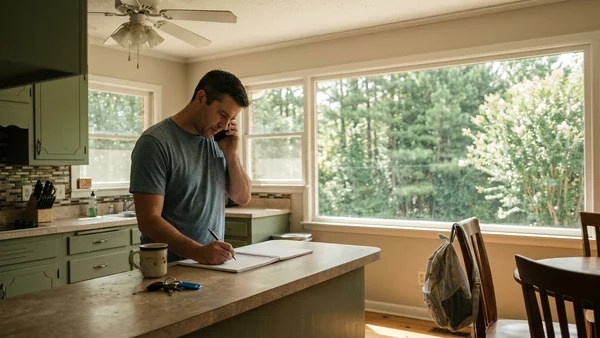
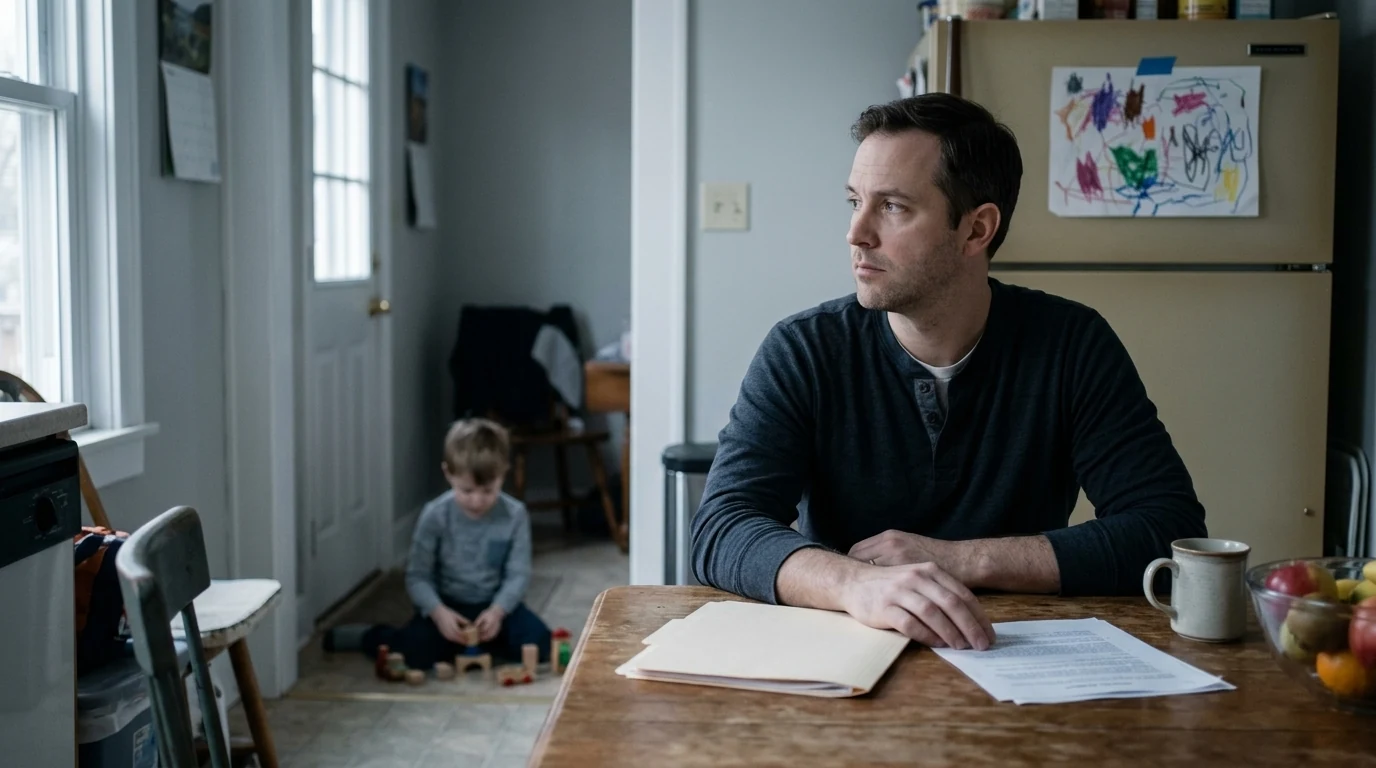
The school called for the third time this semester. The principal used the phrase "possible Oppositional Defiant Disorder" the way someone might mention an option on a menu, and you have been turning that phrase over in your head for two weeks now. You have not told anyone yet. The thought you keep having, the one you would not say out loud, is whether the pattern at home and at school is going to be like this forever, because it does not look like other kids' defiance. The "no" is sharper. The refusals last longer. The arguments do not exhaust themselves.
Behavioral therapy programs are one of the most consistently effective ways to address this pattern, whether or not an ODD diagnosis ends up applying. These approaches focus on modifying the conditions around the behavior, teaching the child adaptive skills they do not yet have, and reinforcing positive behaviors in a way that holds up across family, school, and social settings. The work is structured, often slow, and largely about the adults running it being consistent in the same direction over time.
Core Principles of Behavioral Therapy for Defiance
Behavioral therapy aims to change problematic behaviors by systematically modifying the environment and the responses around the child. It focuses on the triggers that lead into defiant behavior and the consequences that follow it, then uses both to design intervention strategies that move the pattern in a different direction.
One of the primary tools is behavior modification: identifying the specific cues or situations that lead to defiant action and applying consequences that reinforce desirable behavior while reducing the payoff for the unwanted behavior. Positive reinforcement, for example, rewards good conduct with praise, privileges, or tangible rewards, which makes the desired behavior more likely the next time around.
Consequences for unwanted behavior, such as the loss of a specific privilege or a brief time-out, help reduce the rate of those behaviors when they are applied consistently. Token economies, where children earn tokens for predefined positive behaviors that can later be exchanged for rewards, shape more adaptive conduct over weeks rather than days. In our practice, the families who use a token economy successfully are the ones who define the target behaviors specifically and avoid changing the rules mid-week, which is the most common reason these systems collapse.
Immediate and consistent application is what makes any of this work. Therapists draw on approaches like Applied Behavior Analysis (ABA) and Parent-Child Interaction Therapy (PCIT) because both are built on behavioral principles and both create the structure, predictability, and reinforcement that defiant patterns need in order to change.
Through repeated practice and reinforcement, children learn alternate ways to respond to authority figures and peers. The goal is not "compliance" in a generic sense. It is functional, repeatable adaptive behavior that supports better social interactions and emotional regulation in the moments where the child used to get stuck in opposition.
What are evidence-based strategies used in behavioral therapy for oppositional defiant disorder (ODD)?
Evidence-based strategies for ODD center on building social and emotional skills, fostering positive relationships, and establishing a structured environment around the child. Skills practiced explicitly include sharing, asking politely, and apologizing when appropriate. These are skills, not character traits, and most children with ODD need direct instruction in them rather than reminders.
Facilitating positive interactions among peers, teachers, and family members helps children feel accepted, which is one of the more reliable predictors of cooperation. A supportive social environment significantly reduces the rate of oppositional behaviors. Tools like feelings thermometers and relaxation techniques (deep breathing exercises, for example) help children recognize and manage intense emotions like anger and frustration before those emotions drive a defiant move. Problem-solving instruction gives children alternative scripts to use instead of a flat refusal.
Clear expectations and consistent rules are foundational, often supported by visual aids like schedules or charts. Positive feedback for following rules and demonstrating prosocial behavior encourages continued cooperation. Most kids on our caseload respond better to short, specific praise ("nice job staying at the table") than to broader generic praise ("great job buddy"), because the specific praise tells them exactly which behavior earned the response.
Collaboration with family members ensures that strategies travel from home into other environments, which is what produces consistency. School-based programs such as behavioral management plans and social skills training reinforce the same approach in the setting where most school-day friction happens. Together, these strategies create a predictable, supportive, and rewarding environment where children learn to regulate emotions, develop social competencies, and exhibit constructive behaviors.
Techniques and Strategies Used in Behavioral Therapy
Managing oppositional behaviors requires a structured approach centered on reinforcement, clear communication, and skill development. One fundamental strategy is explicit teaching of social skills like sharing, apologizing, and active listening. These skills make cooperative interactions more likely with peers, family members, and authority figures.
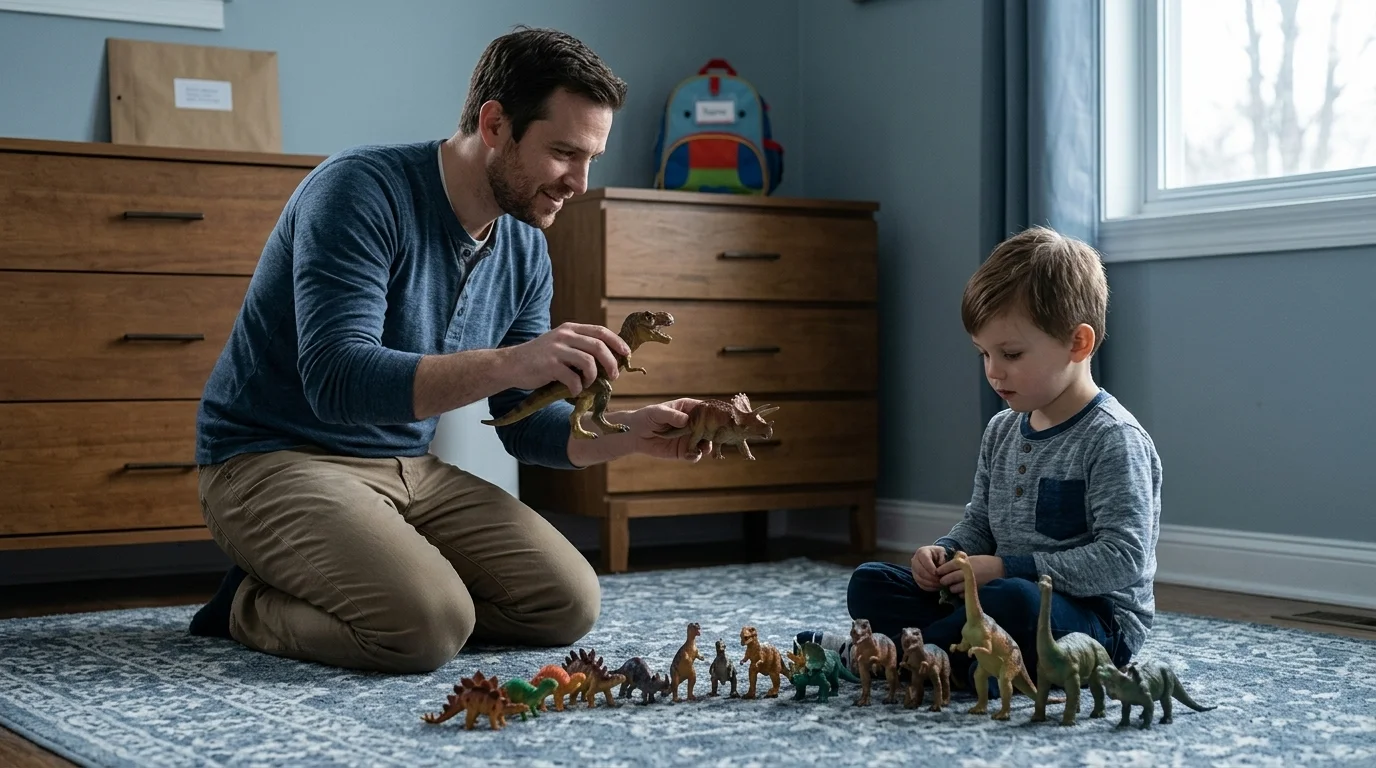
Building a strong, positive relationship between the child and the adults around them is just as important as any technique. When children feel connected and understood, they are usually more motivated to cooperate and engage in positive behaviors. The relationship is what makes the rules work.
Visual tools like feelings thermometers, emotion cards, and mood charts help children communicate their emotional states. These tools serve as early-warning systems, letting a child say "I am at a 7" before the emotion turns into a behavior. Teaching emotional regulation techniques is another component. Deep breathing, mindfulness, and feeling identification all help children manage anger, frustration, and other intense emotions more constructively.
Consistent positive reinforcement, including verbal praise, rewarding good behavior, and offering bounded choices, encourages children to repeat desired behaviors. Clear, predictable routines reduce the uncertainty and frustration that often trigger oppositional actions. For older children and adolescents, more formal agreements can be useful: behavioral contracts in ABA therapy give the child a written, agreed-upon set of expectations and reinforcers, which tends to lower the rate of arguments by moving the negotiation out of the moment of behavior and into a calmer planning conversation.
Involving children in understanding household or classroom expectations promotes a sense of ownership and responsibility. Maintaining strong communication between parents and teachers ensures that the behavioral strategies are reinforced across settings, creating a unified approach to behavior management. Together, these strategies build a comprehensive framework that supports behavioral improvement and emotional development in children with ODD.
Comprehensive Treatment Plans for ODD
A treatment plan for ODD usually focuses on behavioral modification and family involvement. The center of the plan is behavioral therapy aimed at improving behavior, emotional regulation, and social skills. This includes parent management training (PMT), which teaches parents how to give clear instructions, praise specific positive behaviors, and apply consistent, predictable consequences. Family therapy sessions help improve communication, resolve conflicts, and build a supportive home environment.
Alongside family-based strategies, school-based interventions play a major role. Programs like Positive Behavior Interventions and Supports (PBIS) are implemented in classrooms to encourage positive peer interactions and reinforce appropriate behaviors. These programs help children develop the social skills they need to navigate peer relationships and reduce the friction that often drives oppositional behavior at school.
When co-occurring conditions such as ADHD, anxiety, or depression are present, medications may be prescribed. No medication is specifically approved for ODD itself, but pharmacotherapy can help manage related symptoms and improve the child's overall functioning, which often makes the behavioral work more accessible.
Early diagnosis and intervention are important for preventing escalation and minimizing the emotional and behavioral toll on the child and family. The treatment strategies are tailored and adaptable, often combining therapy, family involvement, school supports, and, where appropriate, medication. The overall goal is to establish a structured, consistent environment that reinforces positive behaviors and supports emotional resilience.
Behavior therapy goals
The primary objectives of behavioral therapy in treating ODD include reducing defiant behaviors, increasing compliance and cooperation, and improving emotional regulation. Therapy helps children learn to recognize their triggers, develop coping skills, and use positive reinforcement loops to strengthen prosocial behaviors over time.
Family and family therapy contributions
Family therapy aims to improve relationship dynamics by teaching everyone in the home better communication and conflict resolution. Techniques such as joint sessions, family problem-solving, and emotion regulation training build collaboration. Parent training programs emphasize consistent discipline, clear boundaries, and praise for specific positive behavior.
In sessions, parents are coached on how to set clear, consistent rules and expectations, and how to use positive reinforcement (rewarding the behavior you want to see more of) alongside appropriate consequences. Parents also learn how to avoid power struggles by staying calm, changing the subject when an argument is escalating, and walking away from situations that have moved past productive. The consistency is what helps children understand the boundaries and reduces defiance over time.
School-based interventions
School programs like PBIS adapt classroom environments to support children with oppositional patterns. The work includes establishing clear rules, predictable routines, and visible reinforcement systems. It also depends on collaboration between teachers, school counselors, and parents to keep the approach consistent across settings.
Other school-based supports include the Good Behavior Game (a classroom-wide system that rewards groups of students for following rules), individualized education plans (IEPs), social skills training, conflict resolution workshops, and peer mentoring programs. These interventions are designed to encourage positive peer interactions and reduce the social withdrawal or hostility that often accompanies defiant patterns.
Medication considerations
Medications are used cautiously and typically only when co-occurring conditions are diagnosed. Stimulant medications for ADHD or antidepressants for depression, for example, can indirectly improve behavior in children with ODD when the underlying condition is treated. The decision to use medication involves careful evaluation and ongoing monitoring for side effects, and is generally made alongside a behavioral plan rather than instead of one.
The importance of early diagnosis and intervention
Timely identification of ODD symptoms allows for earlier implementation of effective strategies. Earlier intervention can reduce the likelihood of progression to more severe conduct disorders and minimize long-term effects. The plan stays flexible, with continuous assessment guiding adjustments to fit the child's evolving needs.
When the same behavioral expectations and reinforcement strategies are applied at home and at school, children with ODD experience a more stable environment overall, which is the single biggest predictor of sustained behavioral improvement we see in this work.
| Aspect | Strategies and Interventions | Goals/Outcomes | Additional Notes |
| Behavioral Therapy | Parent management training, problem-solving skills | Reduce defiance, improve compliance, emotional regulation | Includes modeling and reinforcement techniques |
| Family Involvement | Family therapy, parent training | Enhance communication, consistency, and support | Focus on family dynamics and relationship building |
| School-Based Interventions | PBIS, collaboration with educators | Promote positive classroom behavior, social skills | Structured environments reinforce skills |
| Medication Considerations | Use for co-occurring conditions, not ODD itself | Manage related symptoms, support overall functioning | Prescribed cautiously, with regular monitoring |
| Early Diagnosis and Intervention | Screening, prompt treatment | Prevent escalation, promote resilience | Critical for long-term positive outcomes |
This comprehensive approach emphasizes a multifaceted treatment plan that is tailored to the child's circumstances and that supports long-term behavioral and emotional improvement.
For families managing defiant behavior at home, our behavior support team builds the same kind of integrated plan in your actual environment, with our BCBAs designing the structure, our Behavior Technicians running the day-to-day reinforcement work, and our parent training coaches helping you carry the strategies into the moments we are not there.
Support Resources and Specialized Programs
Children showing oppositional and defiant behaviors benefit from a range of treatment options that can be tailored to their individual needs. Family therapy plays an important role in improving communication patterns, setting clear expectations, and establishing a consistent environment that does not reward defiance.
Individual psychotherapy gives children a setting to explore underlying emotional issues, develop coping skills, and learn emotional regulation. Cognitive-Behavioral Therapy (CBT) is particularly effective at helping children identify negative thought patterns and replace them with more adaptive responses.
Behavioral management programs such as Parent Management Training (PMT) focus on teaching parents effective discipline techniques, positive reinforcement, and boundary setting. The aim is to reduce disruptive behaviors by shifting the family dynamic and reliably reinforcing the behaviors we want to see more of.
For more severe cases, inpatient and outpatient services are available. Inpatient programs provide intensive support and supervision for children with significant behavioral challenges, while outpatient services offer structured therapy sessions that allow the child to remain in their home environment. Specialized programs like "Defiant Teens" are designed for adolescents with persistent defiance and typically involve coaching both parents and teens in problem-solving, negotiation, and communication skills.
Mental health specialists, including psychologists and psychiatrists, provide tailored interventions such as social skills training and medication management, particularly for children with co-occurring conditions like ADHD, anxiety, or depression. Community-based supports are a meaningful part of a comprehensive plan as well, including school-based behavioral intervention plans, collaboration with educators, and participation in community groups aimed at social skill development.
The goal across all of these interventions is consistent: promote positive behavioral change, strengthen family relationships, and support the child's emotional and social development. A multidisciplinary approach involving family, mental health professionals, schools, and community resources is what produces the most effective management of oppositional and defiant behaviors over time.
Long-Term Outcomes and Effectiveness of Behavioral Interventions
Research on treatment efficacy for ODD consistently highlights the positive long-term outcomes associated with behavioral therapy programs. Parent management training (PMT) and social skills interventions, in particular, have shown strong results across multiple studies.
Children and adolescents who complete these therapies often experience a significant reduction in oppositional behaviors, including hostility, defiance, and aggression. These improvements are not just short-lived. Evidence suggests behavioral changes can last for up to three years after the completion of treatment, provided that the interventions continue to be reinforced over time. The durability is largely attributed to ongoing parental involvement and consistent application of the behavioral strategies learned during therapy.
Long-term benefits extend beyond reduced defiance. Children treated with behavioral therapy tend to develop better family relationships, stronger social skills, and improved emotional regulation. Those gains reduce the likelihood of future conduct problems and support healthier peer interactions through adolescence.
Sustainability depends on several variables: consistency in applying reinforcement, the level of parental engagement, and early initiation of therapy. The most common reason for diminishing benefits is a drop-off in reinforcement after the formal treatment ends, sometimes followed by a gradual re-emergence of oppositional behavior. Booster sessions and ongoing parental coaching reduce this risk meaningfully.
The summary is straightforward. Behavioral therapy programs, especially those combining parent management training with social skills development, are highly effective for long-term management of ODD. To maximize the benefit, sustained intervention, parental commitment, and ongoing support need to stay in place even after the most visible behaviors have improved.
Conclusion and Future Directions
Behavioral therapy programs play a central role in addressing oppositional and defiant behaviors among children and adolescents. Parent management training, cognitive-behavioral therapy, and family-focused approaches all show strong effectiveness in reducing disruptive behaviors. These interventions improve communication within the family, support positive peer interactions, and develop emotional regulation and problem-solving skills in the child.
Research consistently demonstrates that when these strategies are applied early and consistently, they produce significant short-term improvements and long-term behavioral stability. Behavioral therapy not only targets immediate symptoms but also builds resilience, strengthens social competencies, and supports overall mental health. Success depends on active family participation, school and community collaboration, and treatment plans tailored to the specific child. This kind of integrated approach helps prevent the progression of oppositional behaviors into more serious conduct disorders.
Importance of early intervention
Early recognition and treatment matter because they let the work begin before the patterns become deeply entrenched. Starting therapy earlier minimizes distress for the family and is associated with better long-term outcomes for the child. Early therapy and family involvement build a foundation for emotional and behavioral development that reduces the likelihood of future mental health issues.
Role of family and community support
Support from family members and community resources is what holds the gains in place. Consistent routines, positive reinforcement, and collaborative communication keep the work going between sessions. Family therapy sessions strengthen relationships and give the family a safer place to practice the strategies before applying them at home. Community programs, school-based interventions, and peer support groups add another layer that helps the child practice social skills and resilience in the settings where they will actually need them.
Emerging therapies and research trends
The future of behavioral therapy for defiant behaviors continues to evolve. Technology-assisted interventions, such as teletherapy and app-based programs, are expanding access and engagement for families who could not previously fit traditional services into their week. Personalized treatment planning that incorporates genetic, biological, and environmental factors is being developed to tailor strategies more precisely to the individual child.
Emerging research is also looking at neurofeedback, mindfulness-based therapies, and virtual reality tools for enhancing emotional regulation and social skills. Longitudinal studies continue to evaluate the durability of current interventions and to identify the factors that produce the strongest outcomes.
Behavioral therapy programs have a substantial positive impact on managing defiant behaviors. The integration of parent training, social skills development, cognitive-behavioral techniques, and consistent support systems is the framework that produces the best results. Continued research and innovation will likely lead to even more personalized, accessible, and durable interventions, which should keep improving the trajectory for children and adolescents with oppositional and defiant behaviors.
Why Mastermind Behavior
Mastermind Behavior is a BCBA-owned and operated in-home ABA therapy provider serving families across New Jersey, Georgia, and North Carolina. With defiance and ODD-related patterns, the work is usually about the adults in a child's life running the same playbook with steady consistency, which is why our model is built the way it is. Our BCBAs design the plan after assessing what each defiant behavior is actually getting the child (escape from a hard task, control of a situation, an emotional release), our Behavior Technicians run the reinforcement work in the rooms where the arguments tend to happen (the homework table, the morning routine, the post-school transition), and our parent training coaches help you build the responses that will keep the plan working when we are not there. With a 90 percent staff retention rate and no onboarding waitlist, most families begin direct services within six weeks of their initial assessment.
If the patterns at home or school are starting to feel bigger than your usual strategies can hold, schedule a free consultation or call us at 732.813.7333. We will hear out what the defiance actually looks like in your house, what has and has not worked, and what kind of structure might help, with no pressure to commit to anything beyond that first conversation.
References
- Oppositional Defiant Disorder (ODD): Diagnosis and Treatment (Mayo Clinic)
- Oppositional Defiant Disorder (ODD): Symptoms and Treatment (Cleveland Clinic)
- Using Cognitive Behavior Therapy for Oppositional Defiant Disorder (MGH Clay Center)
- Oppositional Defiant Disorder (StatPearls, NCBI)
- Oppositional Defiant Disorder (ODD) in Children (Johns Hopkins Medicine)