The impact of positive reinforcement on long-term behavior change

January 30, 2025

Unlocking Lasting Behavioral Change with Positive Reinforcement

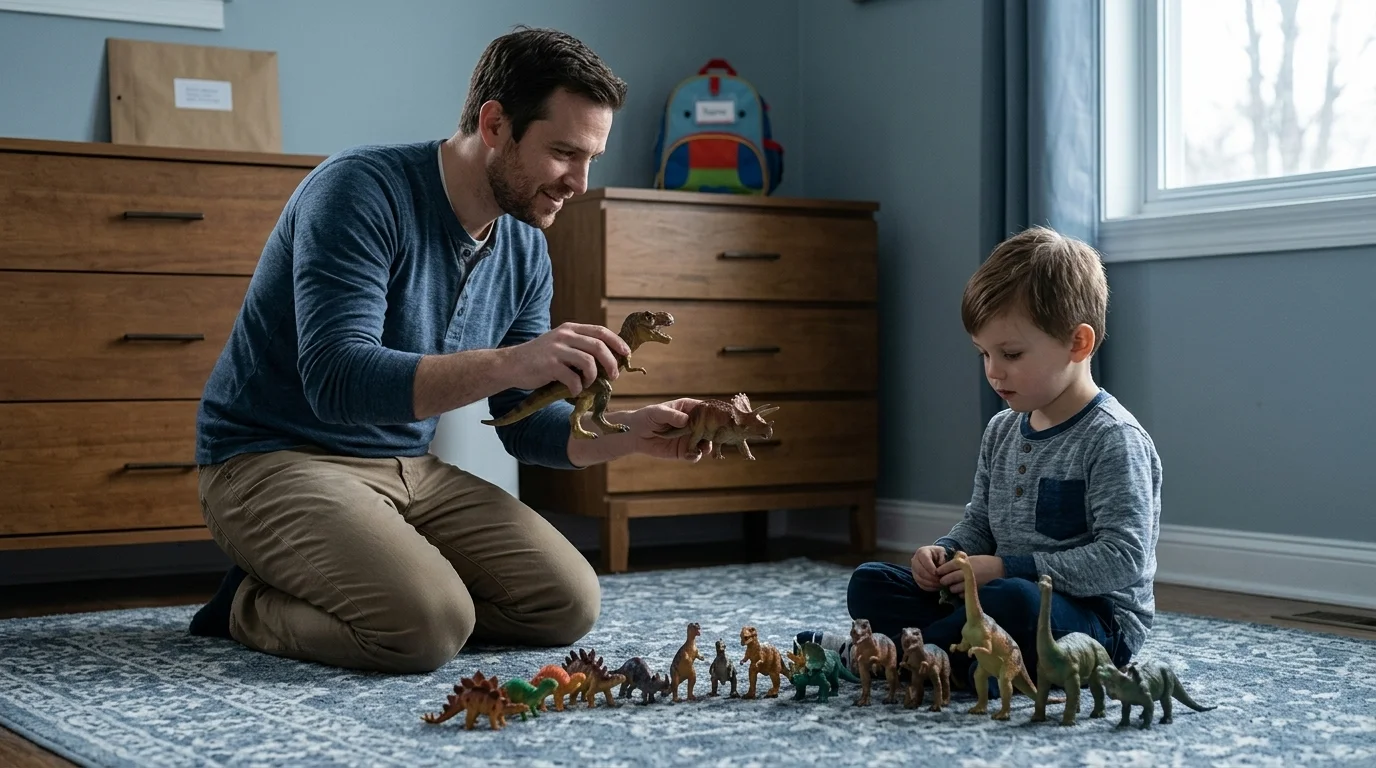
It's Wednesday at 4:30. Your six-year-old with autism has put his shoes by the door three afternoons in a row this week — the same task that, six months ago, ended in tears every time. The sticker chart on the fridge is half-full. You're starting to wonder: is this just the chart, or is something actually changing? In ABA therapy, that question has a name. It's the difference between behavior under reinforcement and behavior that lasts. The third or fourth week is usually when parents start to see it shift — not because the rewards got bigger, but because the new pattern is starting to hold on its own. This article walks through how positive reinforcement drives long-term change, why it tends to outlast punishment, and what it looks like when a new skill becomes a habit.

The Role of Reinforcement in Behavior Change

Reinforcement plays a vital role in behavior change by encouraging the repetition of desirable behaviors through rewards. It can be categorized into two primary types:

  • Positive Reinforcement: This involves adding a favorable stimulus after a desired behavior is exhibited, making it more likely for that behavior to recur.
  • Negative Reinforcement: This involves removing an aversive stimulus to promote the continuation of a behavior.

Positive reinforcement has shown to be particularly effective, as it fosters a more positive perception of oneself and increases motivation for long-term behavioral change.

Categories of reinforcement

Reinforcement can take various forms, including:

  • Tangible Rewards: Physical items given as a reward.
  • Social Reinforcers: Approval and praise from peers, family, or friends.
  • Natural Reinforcers: Automatic positive outcomes from behaviors, such as improved health from regular exercise.
  • Token Reinforcers: Symbolic rewards that can be exchanged for other rewards.

These diverse reinforcement strategies can significantly impact health behavior changes and can be tailored to suit individual needs.

Impact on behavior change

Effective reinforcement strategies, such as immediate rewards post-behavior, strengthen the association between the behavior and the positive outcome, promoting habitual behavior. Research indicates that behaviors reinforced positively are more likely to persist in the long term, thus enhancing self-efficacy and improving overall outcomes in various settings, including educational and psychological interventions. By understanding and applying the principles of reinforcement, individuals and practitioners can foster healthier behavior changes and resilience over time.

Why Reinforcement Outshines Punishment

Reinforcement is primarily aimed at encouraging desired behavior, while punishment focuses on discouraging unwanted actions. Positive reinforcement involves adding a rewarding stimulus after a desired behavior occurs, thereby increasing the likelihood of that behavior being repeated. This method is particularly effective because it enhances self-esteem and fosters motivation. On the other hand, punishment often creates negative associations and may lead to resentment, which does not promote a positive learning environment.

  • Positive Reinforcement Techniques:
  • Verbal praise
  • Tangible rewards
  • Token systems

In contrast, punishment can suppress behavior temporarily but does not teach the underlying motivation to avoid negative actions, which often leads to circumvention of rules rather than adherence.

Effects on long-term behavior

Positive reinforcement has been shown to promote sustainable behavior change. Research suggests that behaviors reinforced positively form stronger associations with good outcomes, making it more likely for individuals to repeat these actions. In educational settings, for instance, students who receive praise for participation are more inclined to engage again in the future. This contrasts sharply with the long-term effects of punishment, which may yield immediate compliance but ultimately erode trust and encourage avoidance.

  • Long-term Outcomes of Reinforcement vs. Punishment:
MethodLong-term EffectImpact on Self-esteem
Positive ReinforcementSustainable behavior changeEnhances self-esteem
PunishmentTemporary compliance, potential resentmentDiminishes self-esteem

Ultimately, positive reinforcement nurtures positive self-regard and builds a culture of motivation, making it a more effective strategy for long-term behavior change.

Diverse Examples of Positive Reinforcement

Positive reinforcement can take various forms and is applied across multiple settings, showcasing its versatility and effectiveness. Some practical cases of positive reinforcement include:

  • In Education: A teacher gives verbal praise to students for completing their homework, which encourages them to keep up the good work.
  • At Home: A parent rewards a child with a treat for exhibiting good behavior, such as sharing toys with siblings.
  • Animal Training: A dog trainer provides a biscuit when a dog performs a trick correctly, reinforcing the behavior positively.
  • Workplace Recognition: An employer gives a raise for exceptional work performance, which motivates employees to maintain high standards.
  • Family Activities: A father might offer candy as an incentive for his child to clean up their toys.

These examples illustrate different positive reinforcers, categorized as follows:

Type of ReinforcerExampleEffectiveness
Natural ReinforcersFeeling accomplished after studyingIncreases intrinsic motivation
Social ReinforcersCompliments from peers or authority figuresEnhances social connections
Tangible ReinforcersToys or treats given for completed tasksProvides immediate gratification
Token ReinforcersStickers or points earned for good behaviorEncourages continued participation

Effective positive reinforcement can motivate and increase the likelihood of desired behaviors being repeated. Strategies, such as using reward charts or prize boxes filled with small toys, serve as powerful incentives for both children and adults, fostering an environment conducive to behavioral change.

Analyzing the Impact of Positive Reinforcement on Behavior

Positive reinforcement plays a vital role in shaping behavior by encouraging individuals to repeat desired actions through a reward system. For instance, rewarding a child with praise or treats when they complete chores increases the chances they will undertake similar tasks in the future. This behavior modification technique is based on B.F. Skinner's operant conditioning principles, which suggest that behaviors followed by positive outcomes are more likely to be repeated.

A functional analysis of behavior identifies specific behaviors to reinforce, targeting maladaptive actions for reduction while promoting positive ones. This method has been effectively deployed in various domains, including educational settings and therapeutic interventions like Applied Behavior Analysis (ABA).

How it shapes behavior over time

The impact of positive reinforcement extends beyond immediate effects; it can foster long-lasting behavior changes. For example, children motivated by positive reinforcement often show better engagement and higher self-esteem compared to those motivated by fear of punishment. Studies have illustrated that consistent positive reinforcement can help individuals internalize new behaviors, making them habitual.

Research indicates that utilizing varied reinforcement schedules, such as intermittent reinforcement, can lead to more profound and sustained behavior change than continuous reinforcement. By applying these strategies in diverse contexts, such as home, school, and therapy, we can witness significant improvements in behavior over time.

AspectPositive ReinforcementOutcome
Behavior EncouragementAdds positive stimulus post-behaviorIncreases likelihood of behavior recurrence
Behavior Change TypeShort-term and long-termSustained changes with proper application
Emotional ImpactImproves self-esteemEnhances motivation and reduces maladaptive behaviors

In summary, positive reinforcement is a fundamental approach that not only promotes desirable behaviors but also nurtures emotional well-being, ensuring effective behavior modification over time.

Tackling Challenging Behavior with Positive Reinforcement

Positive reinforcement is essential for managing challenging behaviors because it encourages the development of appropriate responses to various situations. This is achieved by rewarding positive actions, which supports individuals in understanding expected behaviors. By applying strategies from Positive Behaviour Support (PBS), we can gain insights into the contexts that trigger these behaviors, including unmet needs or communication difficulties.

When individuals lack the appropriate means to express themselves or address their needs, they may resort to challenging behaviors, which can diminish their overall quality of life. Focusing on positive reinforcement helps to teach alternative, constructive behaviors that align with their needs, improving both individual and community welfare.

Additionally, this approach not only reduces the frequency of challenging behaviors but also enhances the environment by fostering support and understanding. By utilizing positive reinforcement, individuals are more likely to develop effective communication skills and coping strategies, leading to a more harmonious interaction with others.

Frameworks for employing reinforcement

To implement positive reinforcement effectively, several frameworks can be employed:

Framework ElementDescriptionExamples of Implementation
Types of ReinforcersThe four types include natural, social, tangible and token reinforcers. Each serves a unique role.Praise (social), stickers (token), tokens (tangible)
Immediate ReinforcementRewards should be given right after the desired behavior to strengthen the connection.Praising a child immediately for helping others.
ConsistencyConsistent application ensures behaviors are reinforced regularly, facilitating habit formation.Daily reinforcement for completing homework.
Observational LearningModeling behaviors can enhance learning and encourage individuals to mimic positive actions.Teachers demonstrating problem-solving during class.

Incorporating these frameworks can lead to improved behaviors, making positive responses more habitual while simultaneously reducing challenging behaviors.

The Contrast of Positive and Negative Reinforcement

Positive and negative reinforcement are both strategies used to encourage desired behaviors, but they function quite differently. Positive reinforcement involves providing a rewarding stimulus after a behavior, increasing the likelihood of that behavior occurring again. This method enhances motivation and fosters a positive environment, essential for long-term behavior change.

Conversely, negative reinforcement entails the removal of an unpleasant stimulus following a desired behavior. This promotes repetition of the behavior, but the motivation stems from avoiding discomfort rather than seeking a reward. While both strategies can lead to behavior modification, positive reinforcement generally fosters a more supportive atmosphere that encourages growth and self-esteem, whereas negative reinforcement may create compliance through avoidance.

Role in behavior modification

Positive reinforcement is often seen as the more effective approach in behavior modification due to its focus on encouraging positive behaviors. It is widely used in educational settings, therapy, and parenting to nurture desirable actions while improving self-worth.

Negative reinforcement can reinforce behaviors as well, but it is considered more of a short-term strategy that can condition responses driven by fear of negative outcomes rather than shaping a desire to engage in constructive actions.

Some examples of negative reinforcement include:

Example of Negative ReinforcementBehavior TriggeredContext
Drying wet hands with a towelRemoving moisturePost-washing
Blasting a car horn to remove an annoying vehicleAvoiding traffic disruptionDriving
Turning on windscreen wipers to eliminate rainImproving visibilityInclement weather
Timmy's screaming to have carrots removedAvoiding undesirable foodMealtime
Turning off an alarm to stop the noiseEliminating disturbanceMorning routine

Each of these examples illustrates how negative reinforcement can inadvertently promote behavior through the alleviation of discomfort or annoyance.

Positive Reinforcement in Education Settings

Positive reinforcement is a powerful strategy in education that enhances student engagement and minimizes disruptive behavior. Teachers often implement techniques such as verbal praise, tangible rewards, or even special privileges to reinforce desired behaviors. By providing immediate rewards after a student displays positive actions, teachers can significantly increase the likelihood of those behaviors being repeated. For instance, praising students for participating in class discussions or completing their homework can create a more motivating classroom environment.

Influence on student behavior

Research shows that positive reinforcement not only improves academic performance but also fosters overall well-being. For instance, a study noted that when teachers effectively applied positive reinforcement, student focus increased by up to 30%. This approach helps children develop self-regulation skills, such as time management and goal setting, contributing to their long-term success. Moreover, students who experience positive reinforcement often display increased self-esteem and a stronger connection to their educational environment, ultimately leading to better attendance and participation.

StrategyDescriptionImpact on Students
Verbal PraiseAcknowledgment of student effort or successIncreases motivation and self-esteem
Tangible RewardsOffering prizes or tokens for good behaviorPromotes engagement and positive behavior habits
Special PrivilegesGranting additional responsibilities or perksEnhances sense of belonging and responsibility

Comparative Effectiveness in Behavioral Interventions

Recent investigations into the effectiveness of contingency management (CM) for methamphetamine-dependent individuals reveal significant insights into reinforcement strategies. The study analyzed various reinforcement schedules: continuous, intermittent predictable, and intermittent unpredictable. All three methods demonstrated markedly higher rates of abstinence when paired with psychosocial treatment compared to psychosocial treatment alone.

Interestingly, while effectiveness remained consistent across the different schedules, previous research supports the notion that intermittent reinforcement may lead to more durable behavior change compared to continuous reinforcement. This aligns with B.F. Skinner's operant conditioning model, which posits that behaviors followed by favorable consequences are more likely to recur.

Implications for Treatment

The implications of these findings extend to clinical settings where positive reinforcement techniques can enhance adherence to treatment regimens. Implementing varied reinforcement schedules could potentially maximize patient engagement, foster self-efficacy, and promote sustained behavior modification. Strategies incorporating immediate rewards following desired behaviors might not only effect short-term changes but could also help cultivate long-lasting positive behaviors and supportive therapeutic environments.

To summarize, understanding the comparative effectiveness of different reinforcement schedules is vital in optimizing treatment strategies for individuals facing addiction, ultimately leading to improved outcomes and sustained adherence.

Positive Reinforcement and Child Development

Positive reinforcement plays a vital role in shaping children's behavior by encouraging desired actions through rewards. This process helps foster not only good behavior but also contributes significantly to a child's self-esteem. When children receive immediate praise or tangible rewards after exhibiting appropriate behaviors, they establish a positive association with those actions, increasing the likelihood of repetition. For instance, children praised for cleaning up their toys are more inclined to do so in the future, thus reinforcing those habits over time.

Additionally, positive reinforcement promotes a healthy self-image. Children often feel loved and valued when they are rewarded for good behavior, which enhances their overall emotional well-being. This sense of achievement nurtures their confidence, allowing them to take on more complex tasks and challenges with assurance.

Benefits in parenting

Incorporating positive reinforcement into parenting strategies not only motivates children but also cultivates a stronger parent-child relationship. This approach avoids the adverse effects associated with punitive measures, such as fear and resentment. Positive reinforcement creates a nurturing environment that supports emotional growth and encourages children to engage in constructive behaviors.

Effective parenting through positive reinforcement can facilitate better communication, reduce behavioral issues, and help children develop essential skills like self-monitoring and goal setting, contributing to their personal development and success.

Long-term Benefits of Positive Reinforcement in Various Contexts

Positive reinforcement is not merely a strategy for immediate compliance; it plays a crucial role in fostering sustainable behavior change. Research suggests that this approach encourages individuals to internalize positive behaviors, transforming them into habitual practices. The consistent application of rewards for desired actions significantly increases the likelihood of those behaviors being repeated over time.

In clinical settings, positive reinforcement's effectiveness shines through. By using reinforcement schedules—such as continuous or intermittent delivery—therapists can help individuals with dependencies maintain their progress, reducing the chances of relapse. Data from studies show that these techniques result in higher rates of abstinence compared to psychosocial treatment alone.

Mechanisms in Therapy and Parenting

In therapy, positive reinforcement strengthens communication and social skills, particularly for children with developmental challenges. For instance, through Applied Behavior Analysis (ABA), therapists utilize various forms of reinforcement—such as tangible rewards and praise—to promote engagement and skill acquisition. The immediate association between behavior and reinforcement fosters motivation and encourages individuals to take on more complex tasks independently.

Similarly, in parenting, positive reinforcement creates a nurturing atmosphere where children develop self-esteem and strong emotional bonds with caregivers. By providing praise or rewards following good behavior, parents help children feel loved and valued, enhancing their overall psychological well-being. This method cultivates a positive self-concept, setting a foundation for long-term behavioral and emotional health.

Harnessing the Power of Positive Reinforcement

Positive reinforcement proves to be a cornerstone in the landscape of behavior modification strategies. Its effectiveness across multiple domains, from education to therapy, highlights its versatile and sustainable nature. While other methods exist, the long-term benefits of positive reinforcement—enhancing self-esteem, fostering good habits, and improving overall well-being—make it invaluable. As individuals and societies continually strive for better behavioral outcomes, positive reinforcement stands as a powerful ally in shaping a conducive and progressive environment.

Why Mastermind Behavior

Mastermind Behavior is a BCBA-owned and operated in-home ABA therapy provider serving families across New Jersey, Georgia, and North Carolina. We believe skills are best taught where children will actually use them — so our BCBAs and Behavior Technicians come to your home, learn your family's rhythm, and build reinforcement strategies into the routines you already have. With a 90%+ staff retention rate and no onboarding waitlist, most families begin direct services within six weeks of their initial assessment.

If you're exploring ABA therapy for your child and wondering whether the early progress will hold, schedule a free consultation or call us at 732.813.7333. We'll walk you through what's possible and help you figure out the right next step — no pressure, no commitment.

References

Nurturing potential.
Inspiring hope. Creating futures.
Your child’s ASD diagnosis does not define them. Give your child the skills to thrive TODAY.
Contact Us
Share this article