The Importance of Cultural Sensitivity in Behavior Therapy Programs
Enhancing Therapeutic Outcomes Through Cultural Awareness


Your family eats dinner late. Your grandmother lives in the home and is a primary caregiver. Spanish, or Mandarin, or Bengali, or Yoruba, is the language spoken when your child gets upset. When you start looking into ABA therapy for your child with autism, one of the first quiet worries is whether the therapist will understand any of this, or whether they'll walk in and try to bend your family into something you're not.
Cultural sensitivity is the difference between a program that fits inside your real life and one that fights it. Here's what culturally responsive practice actually looks like, and what to ask about when you're choosing a provider for your child.
What Cultural Sensitivity Means in Behavior Therapy
Cultural sensitivity in behavior therapy means designing and delivering treatment around a family's language, values, routines, and caregiving structure, so the plan works inside the life the child actually lives. Behavior analysts and in-home ABA therapy providers must develop a deep understanding of clients' cultural identities to craft effective interventions.
In practice this covers concrete things: which language instructions and praise are delivered in, who the caregivers are and who makes decisions, what mealtimes and bedtimes look like, which foods, songs, and activities are familiar, and which goals matter most to the family. A reinforcer only works if it is meaningful to your child, and meaning is cultural.
Why It Matters for Outcomes
Research indicates that integrating cultural understanding into therapy reduces disparities, improves satisfaction, and leads to better mental health outcomes for minority groups, one reason culture and diversity impact ABA therapy outcomes so significantly in autism care.
The mechanism is practical. Therapy goals a family understands and agrees with get practiced between sessions. Strategies that fit the household's routines survive the week. And parents who feel respected stay engaged, which is the single biggest thing a provider can protect. Cultural responsiveness is also a professional expectation for behavior analysts, built into the BACB's ethics code, so a provider should be able to tell you specifically how they do it.
What Culturally Responsive Practice Looks Like at Home
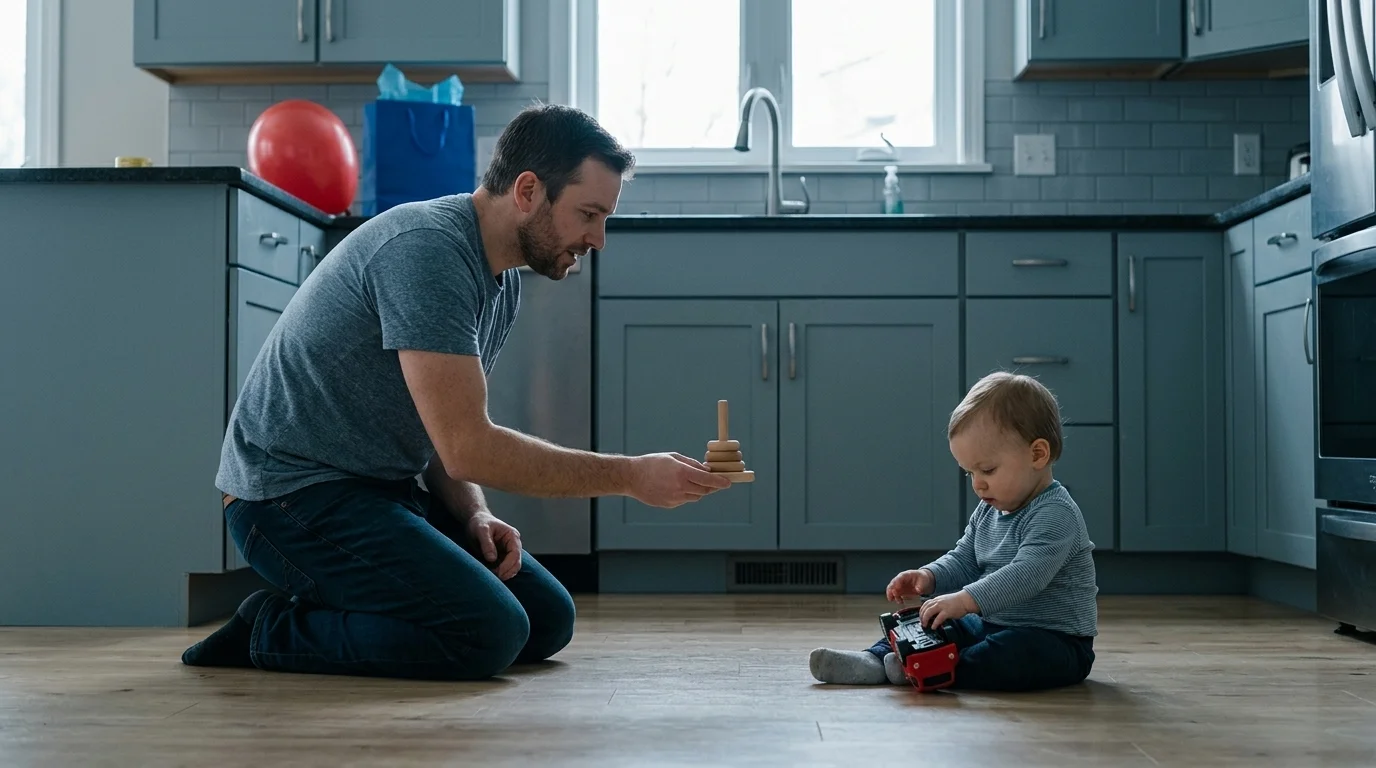
In-home therapy puts culture in the room by default. Your child's sessions happen in your kitchen and living room, with your family's language, food, siblings, and rhythms present. That is an advantage, and a responsibility. Cultural humility is essential for clinicians and in-home ABA therapy providers working with marginalized populations. Here is what that looks like in a well-run program:
- Assessment asks about your family, honestly. Intake and preference assessments should cover language use at home, caregiver roles including grandparents and older siblings, religious and cultural practices, and the routines that structure your day.
- Goals are chosen with you. Independence looks different across families. Whether a goal is eating with utensils, helping with a family meal, or greeting elders appropriately should reflect your values, and a good BCBA asks rather than assumes.
- Materials and reinforcers come from your child's world. The songs, characters, foods, and games used in sessions should be ones your child already knows and loves.
- The plan adapts to your caregiving structure. If grandma handles afternoons, parent training includes grandma. The plan belongs to the household, and everyone who runs the child's day should be equipped to use it.
- The clinician keeps learning. Cultural humility means treating every family as the expert on their own life, asking questions, and adjusting when something misses.
Questions to Ask a Provider
When you're evaluating ABA providers, a few direct questions will tell you quickly how seriously they take this:
- How will you handle sessions if our home language is not English?
- How do you involve extended family members who share caregiving?
- How are treatment goals chosen, and what happens if we disagree with one?
- Can you give an example of adapting a plan to fit a family's cultural or religious practices?
- How will you use things our child already loves in sessions?
Clear, specific answers signal a provider that practices cultural responsiveness. Vague reassurance signals a template.
Frequently Asked Questions
Does ABA therapy work in languages other than English?
Yes. ABA principles are language-independent, and sessions are most effective when instructions and praise are delivered in the language your child hears at home. Ask any provider how they staff and plan for your family's language before starting.
Can therapy goals reflect our family's values and religion?
They should. Goal selection is a collaborative decision, and a culturally responsive BCBA builds treatment plans around the skills that matter in your household, from mealtime customs to greetings to holiday routines.
What is cultural humility in ABA?
Cultural humility is the clinician's ongoing commitment to learning from each family rather than assuming expertise about their culture. In practice it means asking, listening, and adjusting the program when a strategy conflicts with how your family lives.
Why Mastermind Behavior
Mastermind Behavior is a BCBA-owned and operated in-home ABA therapy provider serving families across New Jersey, Georgia, and North Carolina. We believe a child's culture, language, and family rhythm are the texture therapy has to fit inside. Our BCBAs and Behavior Technicians come to your home, learn how your family actually runs, and build the plan around it.
If you're exploring ABA therapy for your child, schedule a free consultation or call us at 732.813.7333. We'll walk you through what's possible and help you figure out the right next step, with no pressure and no commitment.