Reducing Problem Behaviors Through ABA Therapy Techniques
Exploring the Transformative Impact of ABA on Problem Behaviors


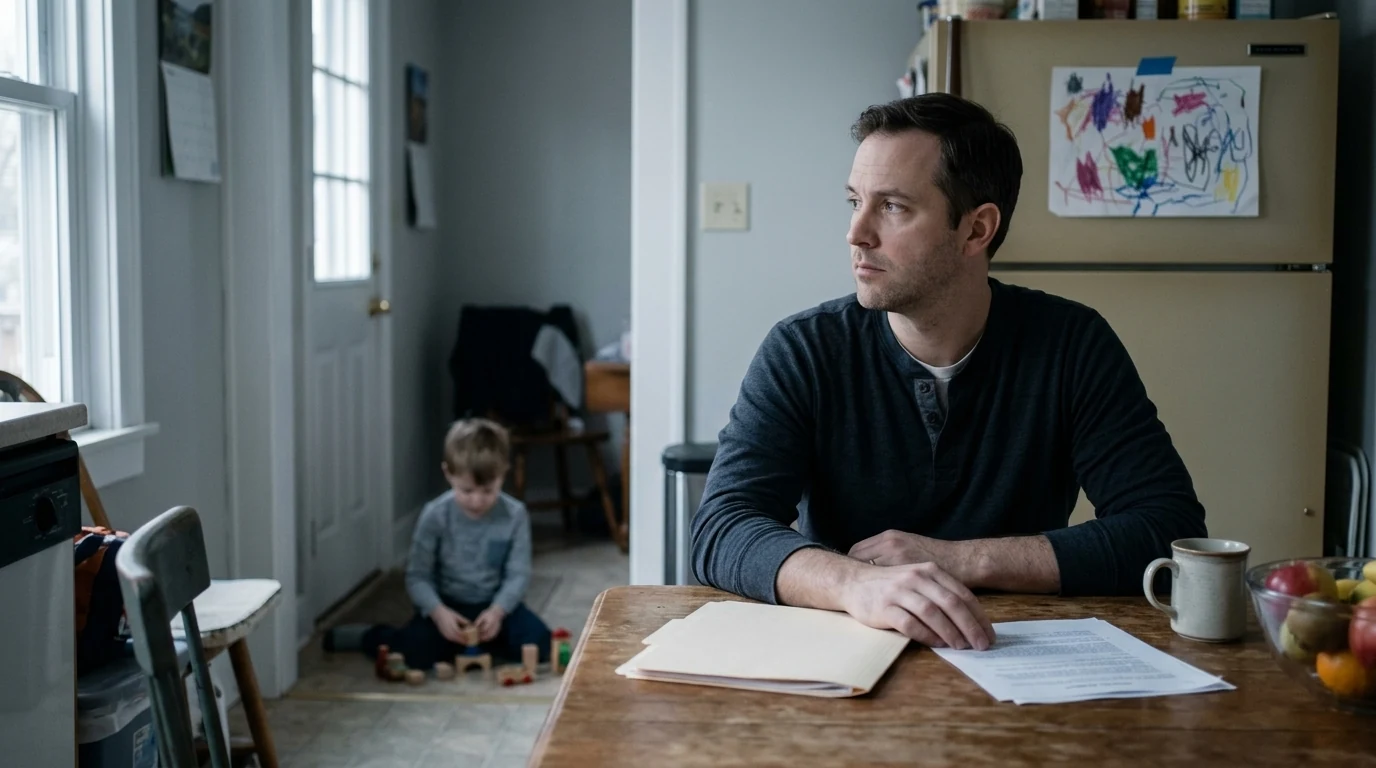
You have tried the visual schedule taped to the fridge. The countdown timer on your phone. The First-Then board. A sticker chart that lasted four days. You have given the iPad and taken it back, switched seats at dinner, lowered the lights, raised your voice and then immediately regretted it. Your seven-year-old still hits, still screams, still bolts from the room. Nothing has held. This is the moment most families call us. ABA therapy is not a checklist of tricks. It is a structured way to find out why a behavior keeps happening, then teach your child a safer way to get the same need met. That is what reducing problem behaviors actually looks like, and this article walks you through the techniques our BCBAs use, in plain language.
ABA Therapy's Role in Addressing Autism-Related Behavior Problems
In our practice, ABA therapy is an evidence-based approach to changing behavior that starts with one question: what is this behavior actually doing for your child? Once our BCBAs know whether a behavior is helping your child escape a task, get attention, satisfy a sensory need, or access something they want, the intervention plan more or less writes itself. The work is tailored to your child, grounded in a Functional Behavior Assessment (FBA) that identifies the function behind even the most severe behaviors.
Teaching healthier behaviors
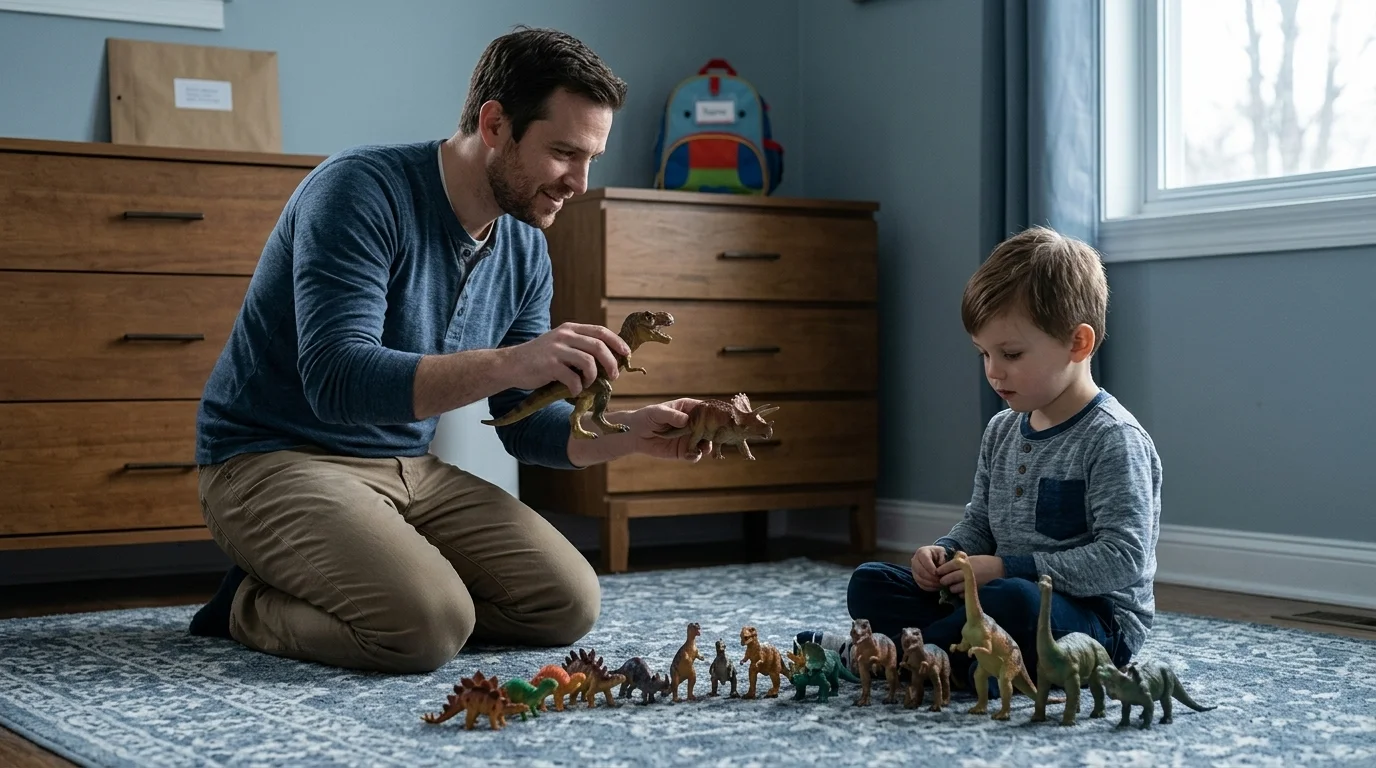
Techniques utilized in ABA include visual supports, role play, and a variety of approaches that align with the child's learning style. For instance, positive reinforcement is used to encourage appropriate behaviors while discouraging harmful ones, like aggression or self-harm. The goal is to replace challenging behaviors with functional alternatives, ultimately promoting a healthier approach to communication and interaction. To get expert behavior support in your home, our BCBAs build these alternatives around the rooms and routines where the problem behavior actually happens.
Improving communication skills
One primary focus of ABA therapy is the enhancement of communication skills. Through systematic teaching and reinforcement of effective communication methods, individuals learn to express their needs and desires appropriately. This empowerment can reduce frustrations that often lead to problem behaviors.
Functional behavior assessments
Initially, ABA therapy involves conducting a Functional Behavior Assessment (FBA). This process is crucial as it identifies not just the behaviors themselves but the underlying motivations, like the need for attention or avoidance of a task. Understanding these functions allows behavior analysts to develop targeted intervention plans that address specific challenges. Most kids on our caseload reveal their behavior's function within the first two to three weeks of structured observation, sometimes faster.
Role of caregivers
Caregiver involvement is essential in the ABA process. Parents and guardians provide vital information about their child's behavior in various settings, especially the patterns that only emerge at dinner, in the car, or at bedtime when the BCBA is not in the room. Their insights help in gathering data and monitoring progress, ensuring that interventions remain effective and relevant. Collaboration between behavior analysts and caregivers enhances the likelihood of success in behavior modification and skill acquisition.
The Versatility of ABA Beyond Autism
ABA therapy is not exclusively used for autism; while it is best known for its application in treating autism spectrum disorder (ASD), it has broader uses.
Application in various disorders
ABA can be applied to behavioral challenges in individuals experiencing a range of conditions, including:
- ADHD (Attention-Deficit/Hyperactivity Disorder)
- OCD (Obsessive-Compulsive Disorder)
- ODD (Oppositional Defiant Disorder)
- PTSD (Post-Traumatic Stress Disorder)
- Behavioral challenges following traumatic brain injuries
This versatility showcases ABA's capability to assist not just in developmental conditions but also with various behavioral challenges encountered in everyday situations. In our practice, we serve children with autism specifically, but the underlying principles travel.
Positive behavior reinforcement
Positive reinforcement is a fundamental component of ABA therapy. It encourages the repetition of desired behaviors while helping individuals cultivate appropriate responses in various situations.
Insurance coverage
Insurance coverage for ABA therapy varies; it can depend on the presence of an autism diagnosis and geographic location. In many cases, policies specifically cover ABA treatments for individuals with autism, though broader applications that address other behavioral or developmental issues may not always be included.
Overall, ABA is a well-established, evidence-based approach that supports not only autistic individuals but also others facing various developmental and behavioral challenges.
Key Behavior Reduction Strategies in ABA Therapy
Examples of behavior reduction strategies in Applied Behavior Analysis (ABA) include:
- Differential Reinforcement: This strategy involves reinforcing positive, adaptive behaviors to encourage them while decreasing maladaptive behaviors. For instance, if a child typically throws a tantrum to get a toy, teaching them to ask for the toy using words or gestures can effectively replace the tantrum with more appropriate communication. A related skill is how to teach tolerance to delays and delayed gratification using ABA, which most kids on our caseload work on alongside replacement behaviors, since "yes, but not yet" is one of the hardest answers for a child with autism to accept.
- Extinction: This method focuses on discontinuing reinforcement for behaviors that were previously rewarded. By not responding to a child's tantrum, for example, the behavior can diminish over time as the child learns that this strategy no longer yields attention or desired items.
- Antecedent Modification: Changes can be made to the environment or situations that trigger unwanted behaviors. This might include offering choices or reorganizing a space to prevent distractions that might lead to meltdowns or other challenging behaviors.
- Positive Reinforcement: It's crucial to pair reductions of undesired behaviors with positive reinforcement of desired behaviors. By rewarding successes in communication or engagement, a child is more likely to repeat those behaviors in the future.
These strategies represent a holistic approach to supporting children with autism in replacing challenging behaviors with functional alternatives, increasing their capacity to navigate their environment effectively. By continuously monitoring and adjusting interventions (see continuous vs. discontinuous measurement in ABA for how we collect that data), caregivers and therapists can enhance the success of these behavior reduction techniques.
Practical Goals and Techniques for Behavior Reduction
In Applied Behavior Analysis (ABA), specific behavior goals are fundamental to guiding the therapy. Examples of behavioral goals may include:
- Reducing behaviors that interfere with daily life: For instance, addressing repetitive behaviors that are getting in the way of participating in school, mealtimes, or family activities. (Stimming itself is not the target; the goal is to reduce interference, not to suppress a child's natural regulation.)
- Increasing compliance with safe routines: Goals can focus on enhancing the ability to follow instructions during routines, such as completing tasks at home or school.
- Enhancing self-help skills: This could encompass teaching independent actions like toileting or dressing, fostering greater independence.
ABA techniques facilitate these goals through structured methods. Positive reinforcement strengthens desired behavior, while antecedent interventions, like modifying the environment, help prevent the occurrence of problem behaviors. Together, these strategies create a supportive framework for improving daily routines and essential life skills for children with autism.
Caregiver Strategies in ABA for Managing Challenging Behaviors
Caregivers can implement several effective strategies grounded in ABA principles to manage and reduce challenging behaviors. Our parent training program is built around teaching these four moves directly, so the strategies stay in place after the BT goes home.
- Creating Supportive Environments Changing the environment can significantly impact behavior. Calmer settings help children focus better and feel more secure. Keeping distractions to a minimum and providing a comfortable space for activities can facilitate better engagement.
- Promoting Positive Behavior By responding calmly to a child's challenging behavior, caregivers create opportunities for teaching alternative, more appropriate ways to communicate needs. Offering choices instead of demanding compliance encourages independence and boosts enjoyment.
- Establishing Consistent Routines Predictable daily schedules can reduce anxiety for children by clarifying what is expected of them in various situations. Consistency helps children feel secure and understand transitions better, minimizing the chances of challenging behaviors.
- Reinforcing Positive Actions Actively noticing and praising positive behaviors encourages these actions to recur. By rewarding children for adhering to expected behaviors, caregivers cultivate an environment conducive to learning and development. In our practice, the third week is usually when parents start catching reinforcement opportunities on their own, which is the data point we are really watching for.
Implementing these strategies supports not only the child's growth but also enhances the overall quality of interactions between caregivers and children.
Why Mastermind Behavior
Mastermind Behavior is a BCBA-owned and operated in-home ABA therapy provider serving families across New Jersey, Georgia, and North Carolina. We do this work where it actually has to land: in your kitchen, your living room, your hallway after homework. Our BCBAs run the FBA, design the intervention plan, set the replacement-behavior targets, and write the parent-training scripts. Our Behavior Technicians run the trials in the same rooms where the problem behaviors keep happening, which is the only way new skills generalize. Our parent-training coaches sit with you and walk through what to do at the exact moment the tantrum starts, not in the abstract. For families dealing with daily problem behaviors like hitting, biting, screaming, or elopement, this means the plan moves with your child through dinner, bedtime, and the parts of the day where things actually fall apart. With a 90%+ staff retention rate and no onboarding waitlist, most families begin direct services within six weeks of their initial assessment.
If you are tired of the visual schedules that did not hold and the timers your child started ignoring, schedule a free consultation or call us at 732.813.7333. We will listen to what you have already tried, ask what is actually happening in your home, and tell you honestly whether ABA is the right next step.
References
- Applied Behavior Analysis (ABA) | Autism Speaks
- Reduce Problem Behaviors by Teaching Replacement Behaviors | May Institute
- Expert Q&A: How ABA therapy can help with severe behaviors | Autism Speaks
- Applied Behavioral Analysis (ABA) | Autism Speaks
- Challenging Behaviors | Autism Speaks
- Aggression | Autism Speaks
- Is ABA Therapy Only for Autism? | Applied Behavior Analysis Degrees