The Impact of Inclusive Sports Programs
Fostering Inclusion: The Transformative Role of Sports

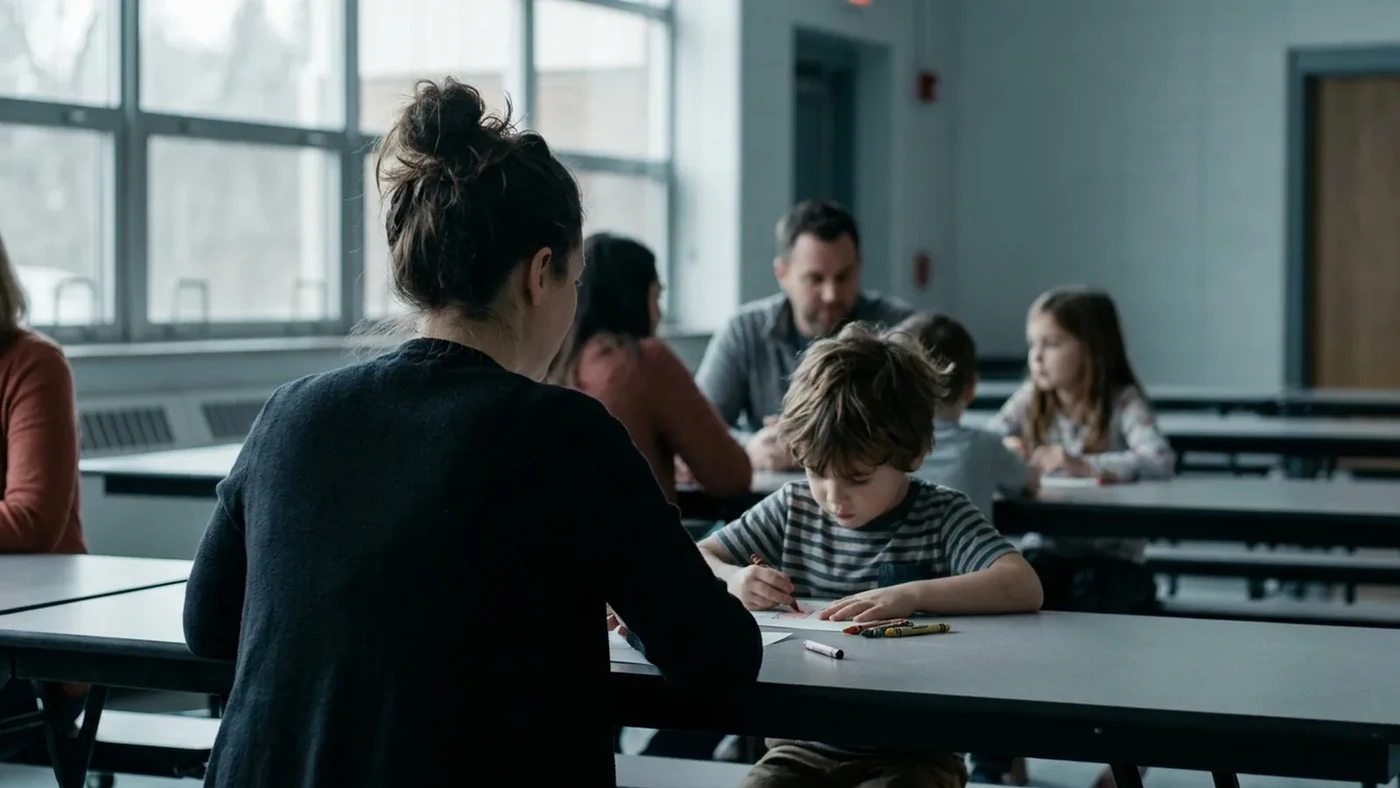
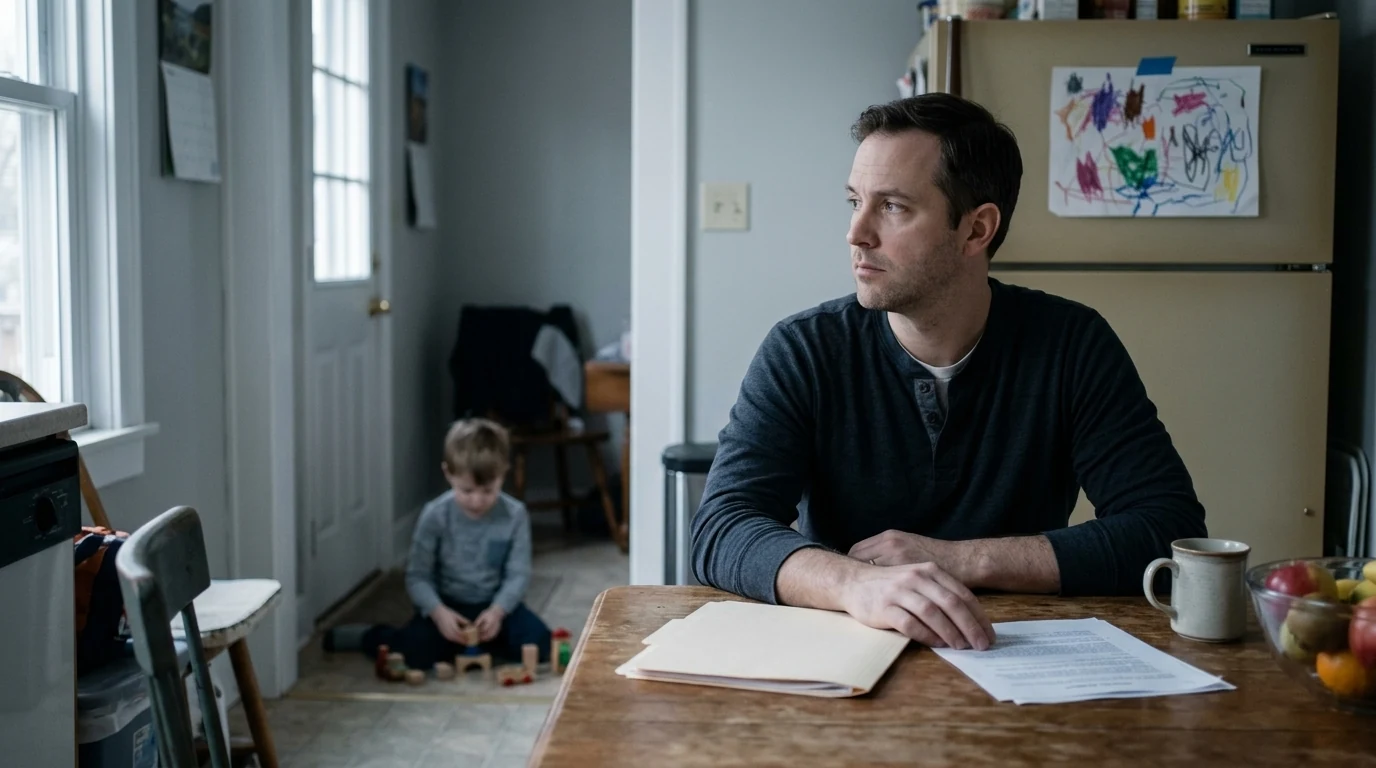
The flyer for the rec-league soccer sign-up has been on your fridge for two weeks. Your eight-year-old keeps looking at it. He wants to play, and you want him to play too, but you also remember the last group activity, when he stood at the edge of the field and nobody quite knew what to do with him.
Inclusive sports programs are built for exactly that gap. They give children with autism a real place on the team instead of a spot on the sidelines, and they pair that spot with the kind of structure that makes joining feel possible. This article walks through what these programs actually do for kids: the friendships, the steadier days at school, the confidence that carries over into the rest of life, and how the right support at home can help your child get there.
The Importance of Inclusion in Sports
Inclusion in sports is essential for creating environments where every child feels they belong. It promotes positive social interactions, encourages empathy, and reduces bullying among students with and without disabilities. When young athletes play together, they build friendships and gain a deeper understanding of one another, which in turn strengthens the whole group.
Enhancing Community Engagement
Inclusive sports clubs serve not only as activity centers but also as community hubs that reflect local diversity and needs. By engaging diverse groups, these programs strengthen community connections and trust, helping to break down social and cultural barriers. That broader reach can even improve the long-term sustainability of clubs through higher membership and volunteer participation.
Breaking Down Barriers
Inclusivity in sports challenges old misconceptions and builds acceptance. Studies show that children and youth who take part in unified sports programs report higher self-esteem and stronger social skills, along with a clearer sense of belonging. These programs also help integrate newcomers into the community, supporting social cohesion rather than dividing kids by ability.
| Benefits | Description | Impact |
| Improved Self-Esteem | Participation builds confidence and a sense of achievement | Positive mental health outcomes |
| Social Connections | Fostering friendships and networks among diverse participants | Enhanced community engagement |
| Community Trust | Building mutual understanding reduces social barriers | Strengthened community identity |
Impact on Student Development
Inclusive sports programs shape students across social skills, emotional well-being, and physical fitness. By taking part in programs like Special Olympics Unified Sports, athletes with and without intellectual and developmental disabilities share experiences that build friendships and grow empathy.
- Social Skills: These programs encourage interaction across very different kids, helping children with disabilities engage with peers they might never have connected with otherwise. Friendships develop as they work together on team activities, which reduces isolation and stigma. In our practice, the kids who do best in group sports usually are not the most athletic ones; they are the ones whose families practiced the in-between moments first, like waiting for a turn or shaking off a missed kick. That is the same patient, repeatable work of building everyday social skills that ABA therapy focuses on at home.
- Emotional Well-being: Taking part in inclusive sports is linked to stronger self-esteem and confidence. Kids report a real sense of accomplishment, which feeds their overall emotional health and tends to show up at school as fewer conflicts and steadier classroom days. For some children, the demands of a noisy, fast-moving group setting are a lot to manage, and learning to ride out those big feelings is its own skill. Our BCBAs often help families with strategies for staying regulated when group settings get overwhelming so a child can stay in the game rather than leave it.
- Physical Fitness: Regular activity through inclusive sports improves fitness for everyone involved, with measurable gains in cardiovascular health, strength, and endurance. That addresses real health disparities and builds healthy habits that carry into adulthood.
Beyond the immediate practice or game, inclusive sports carry social, emotional, and psychological benefits that last. They support social integration, helping kids develop empathy, build meaningful relationships, and feel a sense of belonging that matters for mental health. Participation is closely linked to improved self-esteem, lower levels of depression and anxiety, and greater overall life satisfaction.
Research suggests that team sports in inclusive settings build better interpersonal communication and emotional resilience than individual sports do. These settings give kids a shared experience, and parents of children with intellectual disabilities often describe real shifts in social and emotional skills, sometimes a noticeable change in their child's whole demeanor. Giving participants genuine choice in how they take part adds another boost to mental well-being, which is why inclusion and collaboration matter so much in how these programs are designed. Many parents tell us the confidence a child builds on the field shows up at school too, in everything from group work to harder academic tasks like teaching reading and writing skills to children with autism.
| Aspect | Benefits | Impact |
| Social Interaction | Development of friendships and trust | Enhanced social skills and community connection |
| Emotional Resilience | Reduced anxiety and improved mood | Increased self-esteem and life satisfaction |
| Mental Health | Lower levels of depression and stress | Overall enhancement of psychological well-being |
In short, inclusive sports programs help develop well-rounded kids, offering a supportive outlet for social interaction, emotional growth, and physical fitness all at once.
Building Community Connections Through Sports
Inclusive sports programs bring diverse groups together in one place. By letting kids of all abilities and backgrounds take part side by side, these programs build mutual understanding and acceptance. A few of the ways they do it:
- Cultural Understanding: Shared participation helps bridge differences, leading to greater empathy and respect among community members. Activities like Unified Sports create spaces where differences are celebrated rather than singled out.
- Social Networks: Kids form friendships and connections that extend well beyond the game. Those networks become real support systems, which matters especially for children who are often left out.
- Community Integration: Inclusive sports give kids from many backgrounds a chance to show what they can do, which strengthens their sense of belonging. Through programs like the Special Olympics and events like the Paralympics, whole communities get involved in breaking down barriers and changing how disability is seen.
These interactions nurture individual talents and build a more connected community at the same time. When neighbors play and cheer together, lasting bonds form, and a real commitment to inclusion tends to follow.
The Role of Coaches and Community Engagement
Trained coaches and an engaged community are the backbone of inclusive sports. Coaches who understand diversity, equity, and inclusion principles can create welcoming spaces for athletes from every background. That training helps them read the specific needs of athletes with different abilities so each kid gets a fair shot at thriving. On our caseload, coaches who lean on simple visual learning tools, like a picture sequence of the warm-up routine, tend to see kids settle into practice faster and need fewer redirections.
Community involvement extends the reach and impact of these programs. Local support helps shape initiatives that actually fit the families they serve, including kids who are often overlooked. By organizing events and creating mentorship opportunities, coaches build lasting connections and a culture of acceptance that outlasts any single season.
Social Empowerment Through Coaching
Coaches do more than run drills. Their influence reaches past the field, helping challenge stereotypes and model acceptance. As they mentor athletes, coaches build confidence and resilience, equipping kids with skills that carry into the rest of their lives. That steady work improves team dynamics and chips away at the stigma around disability at the same time.
| Key Discussion Points | Impact on Inclusivity | Examples of Community Engagement |
| Coach Training | Creates a supportive environment for all athletes | Workshops and training sessions for coaches |
| Community Involvement | Increases diverse participation and support | Local events and mentorship programs |
| Social Empowerment | Fosters confidence and inclusion | Collaborative initiatives between schools and sports clubs |
Conclusion
Inclusive sports programs offer benefits that reach far past physical fitness and athletic achievement. They help build a more understanding, more connected community, improving individual lives and strengthening the bonds between families. As these programs keep growing, they hold real potential to reshape not just sports culture but the way communities treat difference, making the playing field a place where every child belongs.
Why Mastermind Behavior
Mastermind Behavior is a BCBA-owned and operated in-home ABA therapy provider serving families across New Jersey, Georgia, and North Carolina. Our model is simple: skills are best taught where children actually use them, so our Board Certified Behavior Analysts (BCBAs) design each plan and our Behavior Technicians run the day-to-day teaching trials right in your living room, your backyard, and the spaces where real life happens. The same skills that help a child join a soccer practice, like waiting for a turn, handling a missed shot, or starting a conversation with a teammate, are exactly the ones we break down and build up at home, with parent training coaches helping you carry the work into everyday moments. With a 90%+ staff retention rate and no onboarding waitlist, most families begin direct services within six weeks of their initial assessment, so the support arrives while it still matters.
If you have been watching your child want to join in and wondering how to make it possible, we would like to hear what that looks like for your family. Schedule a free consultation or call us at 732.813.7333, and we will walk through the next step together, with no pressure and no commitment.
References
- Why Inclusion Is Important - Special Olympics
- Benefits of inclusion in sport - Australian Sports Commission
- Parents' Perceptions of the Impacts of Inclusive Sports Programs
- The Importance of Inclusion and Access in Youth Sports
- Sport as a Catalyst for Inclusive Education: The Role of Special Olympics
- Benefits of Adaptive Sports for Children - Children's Clinics
- Benefits of inclusive sport training on fitness and health of athletes - Nature