In North Carolina a physician or psychologist has to order ABA before it can start, and once it starts, NC Medicaid reauthorizes the heavier plans every 90 days. That schedule rewards the families who can show what is happening between sessions. Parent training is how you get that evidence, and, more to the point, how the strategies that work at three in the afternoon still work at bedtime when nobody from our team is in the house.
Mastermind Behavior provides in-home ABA therapy, with parent training built into every program, for families across North Carolina.
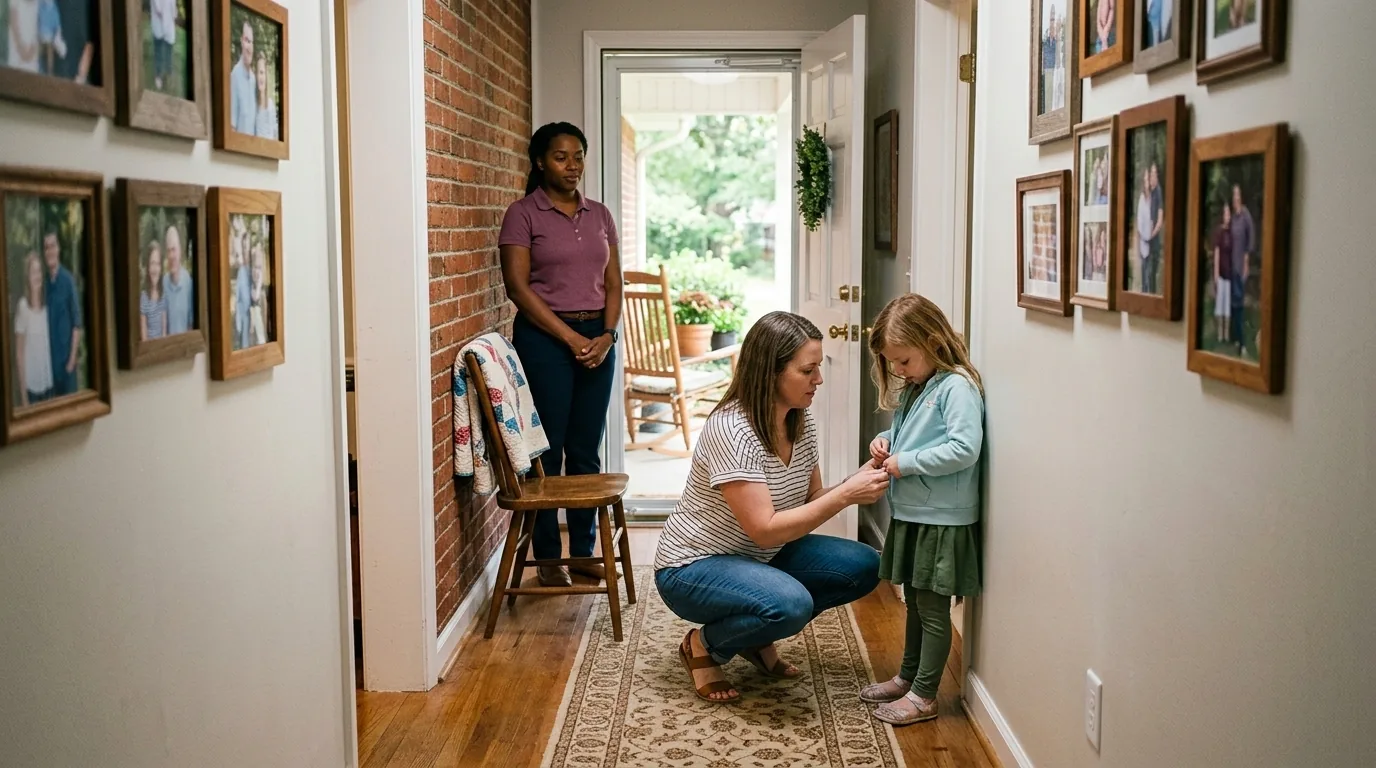
Parent training in ABA is hands-on coaching in your home. It teaches you the strategies your child's BCBA uses, in the routines where you need them, so that progress made in a session survives the end of the session.
North Carolina adds a sequence to that. The order from a licensed physician or psychologist comes first; then the plan the BCBA writes; then the authorization from your plan or from NC Medicaid, which for children under 21 covers ABA as Research-Based Behavioral Health Treatment through EPSDT. Parent training sits inside that plan rather than beside it, so there is no separate approval to chase. What there is, is a renewal clock: 90 days for plans above 16 hours a week, 180 for lighter ones, and the record of what parents are doing between sessions is part of what supports each renewal.
Beyond the paperwork, North Carolina spreads a child's supports across more agencies than most states: a CDSA and the Infant-Toddler Program before three, the school system and its Multi-Tiered System of Support after, an LME/MCO or health plan for behavioral health, and in some counties long distances between all of them. Each has its own staff and its own timeline. The parent is the one person in every meeting, and parent training is what turns that seat into a skill.
Parent training rarely appears as its own line in a policy. It travels inside ABA coverage, so the question that matters is whether ABA is covered, and in North Carolina the answer is usually yes. The full detail lives on our North Carolina ABA therapy page.
| Coverage element | North Carolina detail |
| State mandate | SB 676, codified at G.S. § 58-3-192, enacted October 15, 2015, effective July 1, 2016 |
| Coverage | Adaptive behavior treatment for autism spectrum disorder, including ABA |
| NC Medicaid (children) | Covers ABA as RB-BHT (Research-Based Behavioral Health Treatment) for children under 21 via EPSDT, delivered through the LME/MCO, Tailored Plan, or Standard Health Plan you're enrolled in |
| LME/MCOs | Alliance Health, Trillium Health Resources, Vaya Health, Partners Health Management |
The method is Behavioral Skills Training: explain, show, practice, coach. Your BCBA describes one strategy, models it in the routine where it belongs, then hands it to you and coaches while you use it. Feedback happens in the moment, in your kitchen, not in a report.
What you learn comes from your child's own plan, not a generic curriculum: the reinforcement that actually works for your child, the antecedent changes that head off a hard moment, prompting and how to fade it, visual supports, and a plain way to track whether the week is improving. Because North Carolina's Medicaid renewals come round so often, we also show you how to keep the kind of notes that make each one straightforward.
Coaching comes from the BCBA who wrote the program and reads the data, and it happens in your real routines. North Carolina families usually pair it with early intervention in the youngest years, behavior support when a specific behavior is running the house, and transition planning as the teen years arrive. We serve families across North Carolina; our North Carolina page lists every community.