How to encourage self-expression through art
Unlocking the Power of Art for Personal Expression and Healing


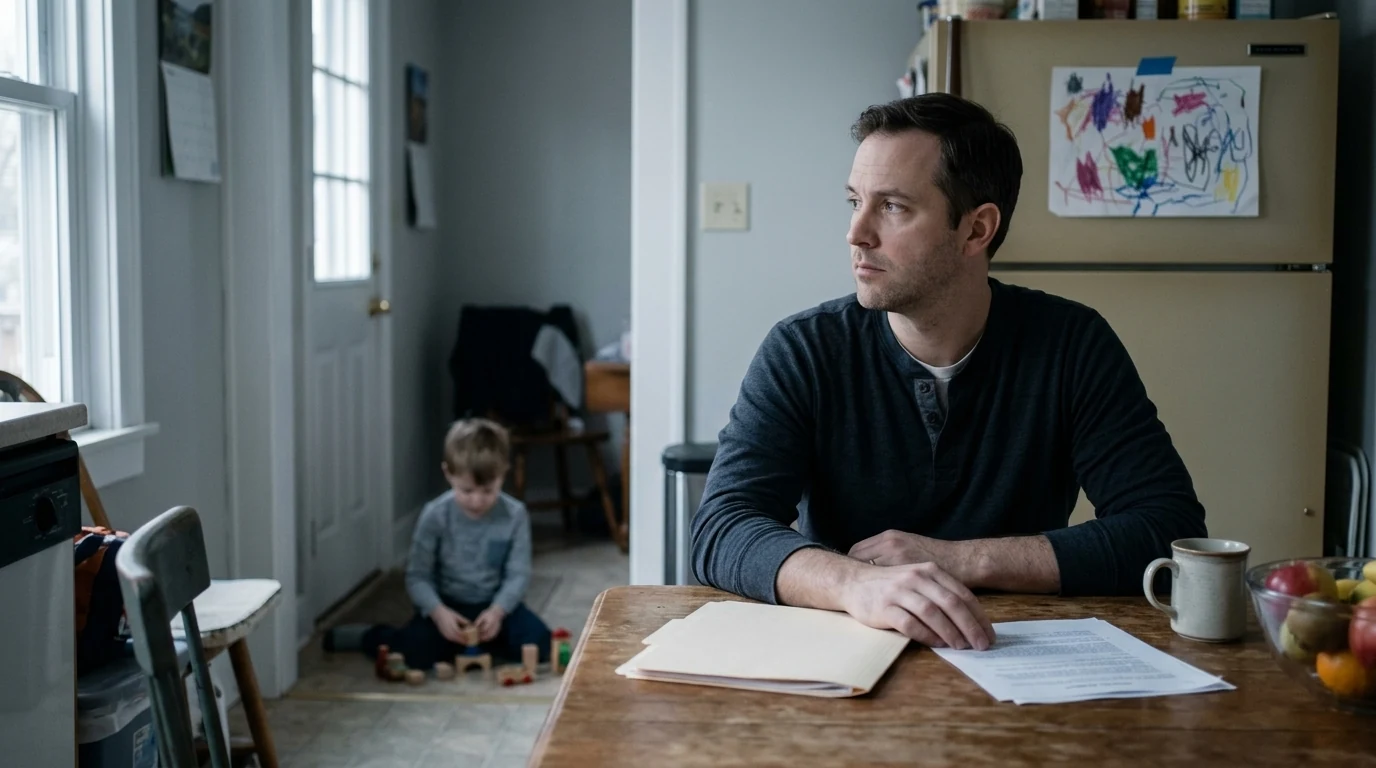
There is a drawing taped to your refrigerator that you cannot stop looking at. Your son does not have many words yet, but here, in heavy purple crayon, is a person with a huge mouth and tiny arms, and you are almost sure it is you. For children with autism who struggle to say what they feel, a marker and a blank page can become the first place those feelings get out. Art does not ask a child to make eye contact, find the right word, or read the room. It just asks them to make a mark. This guide looks at how art supports self-expression and emotional coping, and how the right encouragement, at home and in everyday moments, can help a child who communicates differently show you what is going on inside.
The Therapeutic Role of Art in Emotional Expression
Art can promote self-expression by giving a child a creative outlet to explore and communicate emotions, thoughts, and experiences. Engaging in activities such as drawing, painting, or playing music often supports well-being by reducing anxiety and stress while serving as a healthy coping mechanism. For kids who find words slippery, this matters even more, which is one reason our BCBAs sometimes fold creative outlets into behavior support plans for children who settle faster with a marker in hand than with a worksheet.
Participating in creative work also supports personal growth by letting a child gain new perspectives about themselves. This not only helps with emotional articulation but builds a sense of purpose and connection, especially when it links a child to others who share the same interest.
Art's impact on mental health
Art can act as a therapeutic outlet, particularly for children and adolescents. Many educators and clinicians have noticed a link between regular art engagement and better school engagement and emotional stability, with creative outlets giving young people another way to manage stress and process hard feelings.
Many children who struggle with anxiety or low mood do not have an easy way to talk about it. Art can help bridge that gap, offering an accessible, low-pressure way to express emotion when conversation feels like too much.
Therapeutic benefits of art
The benefits of art extend across many forms of expression, including drawing, painting, music, and drama. These activities promote calm, reduce stress, and let a child work through complex feelings in a non-verbal way.
Taking part in collaborative art projects can further build emotional awareness and empathy, teaching important social skills in a supportive setting. Ultimately, art lets a child externalize what they are carrying, opening pathways for self-discovery and steadier emotional footing.
Facilitating Artistic Expression in Educational Environments
Children can express themselves through art in school by working in a variety of media, including painting, drawing, and digital art. These activities encourage emotional exploration and give kids an outlet for their personal experiences.
Collaborative art projects foster creativity while also building teamwork and communication, which is real skill development in disguise. By working together, children bring diverse perspectives toward a shared vision, and that practice helps them navigate the interpersonal moments that often feel hardest.
Bringing local artists into the classroom can enrich the experience further, introducing new techniques and approaches. For some children, this exposure also supports emotional regulation, since artists often model how creative work can be a way to settle and focus.
Activities such as museum trips or role-play with art props can stimulate emotional awareness and encourage flexible thinking. These experiences help children articulate complex feelings and develop a deeper understanding of themselves and their interactions with others. Through art, children strengthen social-emotional skills that carry over into stronger relationships and personal growth.
Cultivating Personal Identity Through Art
Art is a powerful medium for expressing personal identity, letting a child explore and articulate their unique experiences and emotions. One striking method is portraiture, where elements such as clothing, pose, and color choices convey insights into a person's background and emotional state. A portrait with traditional attire might reflect cultural heritage, while vibrant colors could mirror a particular mood.
Self-portraits especially highlight this, letting a child visually communicate inner thoughts and feelings. By engaging in this reflective practice, children can explore their identities more deeply, showing how they see themselves and their place in the world.
Art education deepens this connection through discussions of portrait analysis and by encouraging children to sketch their own interpretations. Such activities reveal how artistic choices reflect complex parts of identity, opening a richer conversation about personal and shared experience.
By weaving together culture, emotion, and individual perspective, art enables a layered exploration of identity, highlighting how creativity can help a child embrace their uniqueness and tell their own story.
Practical Techniques for Encouraging Self-Expression in Art
- Visual Journaling: Use drawing, painting, or collage to capture daily experiences and emotions. This practice supports self-reflection and emotional release.
- Music Connection: Create art inspired by music. Drawing or painting while listening to songs can surface feelings and lead to unique creations.
- Emotion Mapping: Represent feelings through colors and shapes. Let art express what may be hard to put into words.
Overcoming Creative Blocks
- Embrace Imperfection: Allow mistakes. The process matters more than the finished product, which frees a child to explore.
- Engage with Nature: Use the outdoors for inspiration. A change of scenery can spark ideas and provide a calming backdrop.
- Daily Practice: Make room for short, spontaneous art-making. Even a few minutes of drawing or coloring can ease creative anxiety.
Emphasizing Personal Expression Over Technical Skills
- Focus on Feelings: Shift the emphasis away from technical perfection toward how emotions shape the work.
- Choose the Medium: Experiment with drawing, painting, or sculpture. Each is a new opportunity to express something inside in a different way.
- Art as a Narrative: Let each piece tell a story, reinforcing that art is a personal exploration, not a test.
In our experience, parents are sometimes surprised when our BCBAs treat a child's scribbling as data. The unexpected part is what we watch for: not whether the picture is good, but whether a child keeps reaching for the same color when they are overwhelmed, or presses harder on the page right before a hard transition. Those small patterns can tell us what words cannot yet, and they help us meet a child where they already are.
Community Engagement and Collaborative Art Projects
Community-based art projects give people a platform to voice their experiences and emotions together. These initiatives foster a sense of belonging and create opportunities for neighborhood interaction. They often aim to beautify shared spaces while addressing social issues such as mental health and inclusion.
Social Impact of Art
Art holds the power to spark connection and understanding. Through shared creative experiences, communities bond over common goals and stories, strengthening social cohesion. For children, joining in something larger than themselves can be a quiet but powerful confidence builder.
Collaborative Art for Promoting Understanding
Collaborative art projects bring participants from diverse backgrounds together toward a shared vision. These projects build communication, problem-solving, and teamwork. The simple act of sharing a box of supplies and waiting for a turn connects directly to the importance of teaching turn taking skills in autism, which is social practice hiding inside a fun activity. By lowering pressure, collaborative art also creates a safe space for children to express their own perspectives.
| Topic | Description | Benefits |
| Community Art Initiatives | Engage the public in collective art projects | Enhances social bonds |
| Social Impact of Art | Build connection through shared creative expression | Promotes awareness and empathy |
| Collaborative Art Projects | Foster teamwork among diverse groups | Enhances communication and understanding |
Conclusion
Art remains an essential avenue for self-expression and emotional exploration, giving children the tools to articulate complex emotions and thoughts. Whether in the classroom, at the kitchen table, or in community projects, encouraging artistic expression can support better emotional regulation, personal growth, and a stronger sense of identity. By encouraging creativity and offering supportive, low-pressure environments, families can help a child use art as a real and lasting way to be understood.
Why Mastermind Behavior
Mastermind Behavior is a BCBA-owned and operated in-home ABA therapy provider serving families across New Jersey, Georgia, and North Carolina, including parent training for Georgia families. Our Board Certified Behavior Analysts (BCBAs) assess each child and design a plan around how that child actually communicates, whether that is words, gestures, or a fistful of markers. Behavior Technicians then carry the plan into daily sessions in your home, where a child is most relaxed and most likely to show you who they are. When a child expresses more through drawing than through talking, our BCBAs treat that as a real channel, building coping and communication goals around the art rather than pushing the child away from it. Parent training helps too, so the encouragement that works in a session, sitting beside your child instead of correcting the picture, keeps working on an ordinary Tuesday afternoon. With a 90%+ staff retention rate and no onboarding waitlist, most families begin direct services within six weeks of their initial assessment.
If your child says more with a crayon than with words, that is worth paying attention to, and we will start by understanding how your child already expresses themselves before we add anything new. Schedule a free consultation at mastermindbehavior.com/contact or call us at 732.813.7333. We will walk you through what in-home support could look like, with no pressure and no commitment.