What Happens To Severely Autistic Adults
Explore what happens to severely autistic adults, their challenges, strengths, and support services for a fulfilling life.


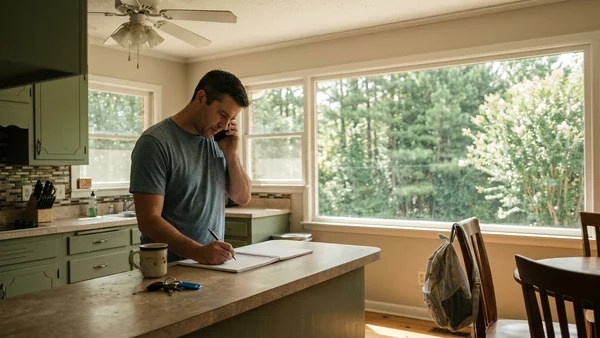
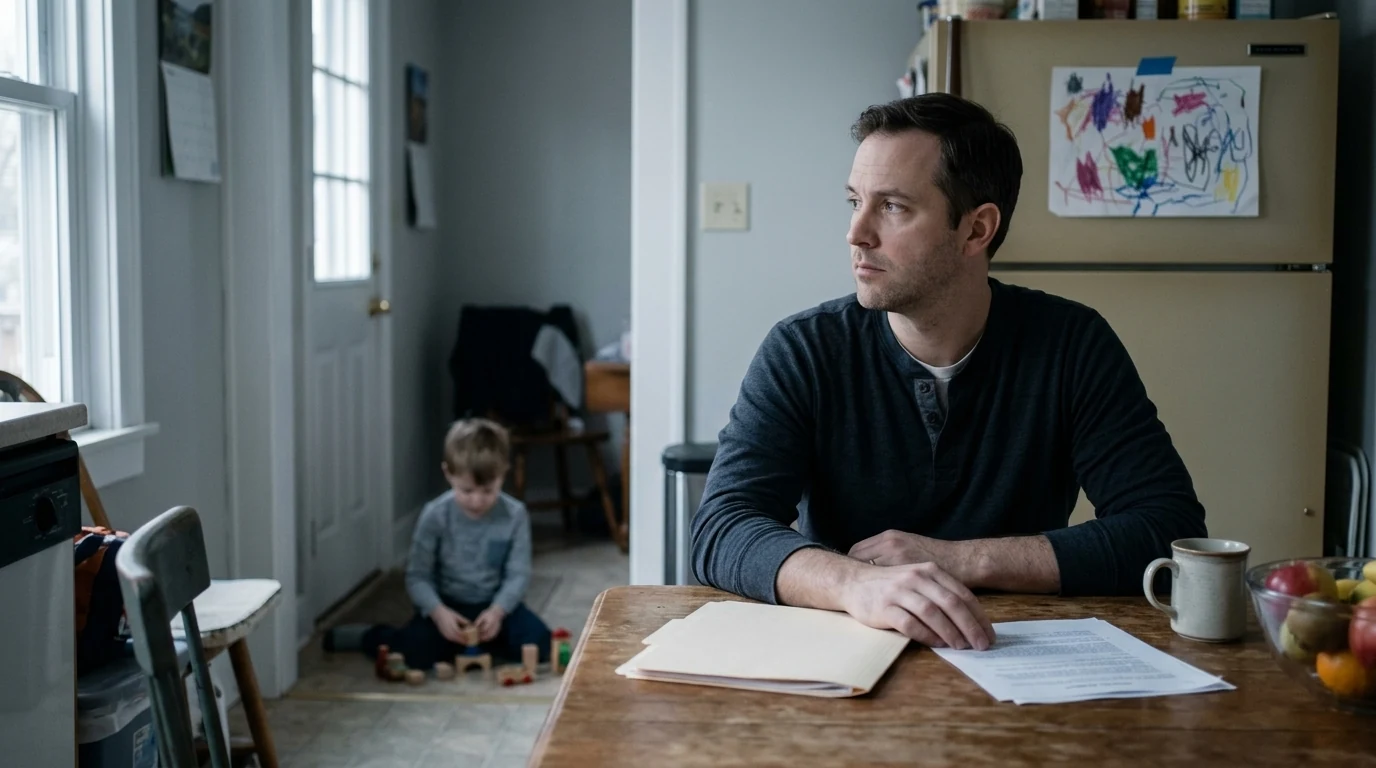
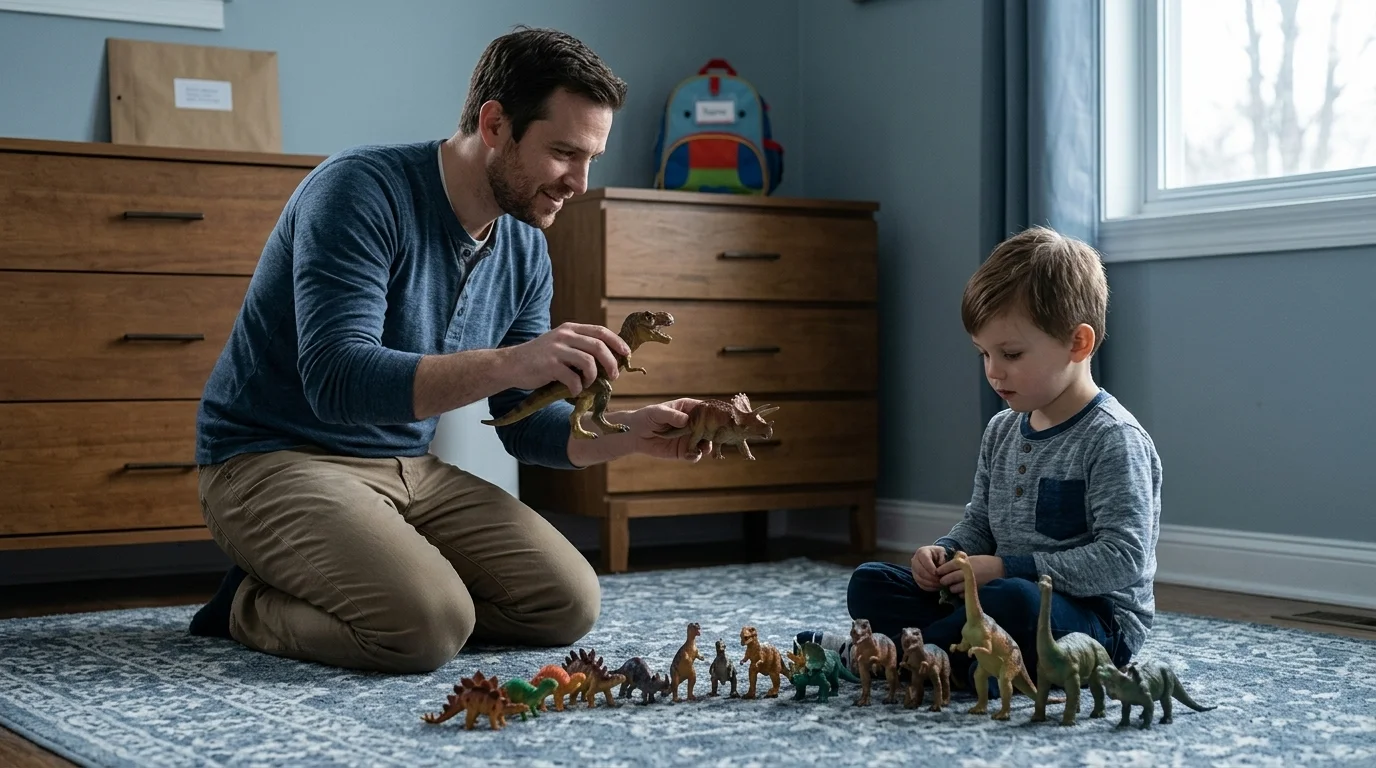
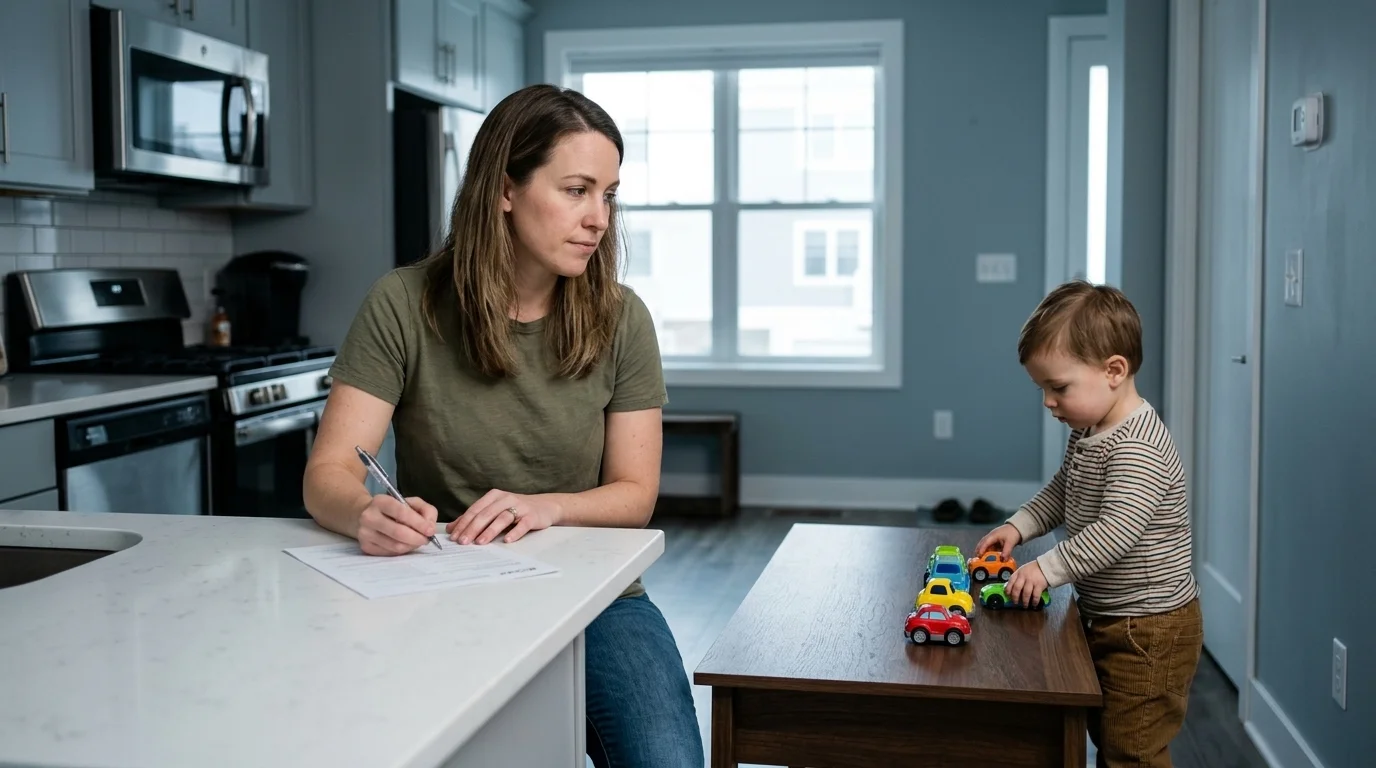
The thought you keep having, the one you would not say out loud to most people, is what happens when you are not here anymore. Your son is eleven, mostly nonspeaking, and you have been carrying that question quietly for years. You have read about group homes. You have read about siblings becoming caregivers. You have read articles that try to be reassuring and end up making it worse. What you actually want is a clear-eyed answer about what the next twenty years can look like, what the limits really are, and what you can do now, while your child is still in elementary school, to shape any of it. This article does not promise easy answers. It does walk through what tends to happen to severely autistic adults, where the support comes from, and where the gaps still are.
Challenges Faced by Severely Autistic Adults
Severely autistic adults face a range of challenges that shape their daily lives, and understanding those challenges is the first step toward building the right support around them.
Communication Differences
Many severely autistic adults have significant differences in expressive and receptive language. Some are nonspeaking or minimally speaking, and rely on alternative forms of communication such as gestures, sign, picture exchange systems, or augmentative and alternative communication (AAC) devices. When communication channels are limited and not well-supported, the result is often frustration, isolation, or behaviors that look like "behavior problems" but are really requests with no other way out. The earlier a child has a reliable way to ask for what they need, the more options open up later. For more on related communication patterns, see do autistic people talk to themselves?.
Sensory Sensitivities
Sensory sensitivities are common across the autism spectrum and tend to be more pronounced in severely autistic individuals. Hypersensitivity to sound, light, texture, smell, or taste can make ordinary environments (a grocery store, a doctor's waiting room, a fluorescent-lit classroom) genuinely painful, not just uncomfortable. Sensitivities vary by person, which is why tailored environments matter so much more than generic "autism-friendly" claims. For broader context on how autism presents across regions and populations, see autism in Europe.
Daily Living Skills
Daily living skills include personal hygiene, dressing, feeding, food preparation, medication management, money handling, and managing household tasks. For severely autistic adults, many of these skills require ongoing teaching and ongoing support, and they are also the skills that most predict whether an adult can live with less restrictive support. The skills that look small on paper (brushing teeth without prompts, requesting a break, calming after a transition) are often the difference, at age 22, between an adult who can live in a supported apartment and an adult who needs much more.
| Challenge | Description |
| Communication Differences | Limited verbal communication; reliance on AAC, sign, or alternative methods |
| Sensory Sensitivities | Hypersensitivity to sound, light, texture, smell, or taste |
| Daily Living Skills | Ongoing support needs around hygiene, dressing, feeding, and household management |
For more on the diversity of presentations across the spectrum, see is everyone on the autism spectrum?.
Support Services for Severely Autistic Adults
Supporting severely autistic adults requires a mix of services tailored to a specific person's needs, not a single program type. Three categories show up most often: home support, respite, and in-home clinical or therapeutic services.
On the Autism Parent Power Podcast, a parent discusses planning for a child's life beyond your own.
Home Support Services
Home support services help adults with autism live as independently as possible and ease the daily load on their families. The services usually cover:
- Daily living activities: cooking, cleaning, hygiene, and routine self-care
- Family training and support: helping family members understand the person's communication, sensory profile, and behavior strategies
- Community integration: structured access to community settings (recreation centers, faith communities, jobs, errands)
| Service Type | Description |
| Daily Living Activities | Cooking, cleaning, personal hygiene |
| Family Training and Support | Education, behavior strategies, communication coaching |
| Community Integration | Structured time in community settings |
The most useful version of home support, in our practice, builds directly on whatever skills were started in childhood. A child who learned to request a sensory break with a card at age seven is a much better candidate for a less restrictive adult setting at age 27, because the request has been reinforced for twenty years. This is part of why the way in-home ABA therapy gets set up in a family's living room when a child is six can quietly shape what is available to that same person at thirty-six.
Respite Care
Respite care provides temporary relief for caregivers, which sounds modest and is actually one of the most important services in the entire system. Without respite, families burn out, and burnout is one of the primary reasons families end up placing an adult outside the home earlier than they wanted to.
- Short-term relief: temporary care to give caregivers a break
- Burnout prevention: reduced caregiver stress, better long-term care quality
- Flexible scheduling: arranged for hours, days, or longer stretches
Even temporary support is meaningful for the long arc of a family. For related reading on autistic communication patterns and support, see do autistic people talk to themselves?.
In-Home Therapeutic Services
In-home therapeutic services bring care into the person's own environment, which is also where most of the relevant behavior happens. Services may include behavioral therapy, speech therapy, occupational therapy, and structured daily living skills training. For families of children still in the eligible age range, the importance of building trust in therapy relationships shows up clearly here: a therapist a child knows is far more effective in a home setting than a stranger in a clinic, and that's even more true as needs become more complex.
- Personalized care: built around the individual's profile, not a template
- Therapeutic services: behavioral, speech, occupational, as needed
- Daily living skills training: cooking, cleaning, personal hygiene, money handling, transportation use
| Service Type | Description |
| Personalized Care | Tailored to individual needs |
| Therapeutic Services | Behavioral, speech, occupational therapy |
| Daily Living Skills Training | Cooking, cleaning, personal hygiene, money handling |
For further reading on supporting autistic individuals, explore autism in Europe and which parent carries the autism gene?.
Vocational Opportunities and Contributions
Vocational opportunities can meaningfully change the quality of life for severely autistic adults. Finding a fit usually requires creativity from advocates and flexibility from employers, and the work tends to play to strengths that show up early in life: attention to detail, pattern recognition, tolerance for repetition, and reliability with structured tasks.
Creative Job Opportunities
Traditional job roles often are not a fit, which means meaningful work usually requires someone creative enough to design the role around the person rather than the other way around. One often-cited example is a young man with severe autism who handed out maps to visitors at a zoo with the assistance of a job coach, a role that paired routine, social structure, and the strengths he already had.
| Job Role | Example |
| Map Distributor at Zoo | Handing out maps to visitors with job-coach support |
| Library Assistant | Sorting and shelving books |
| Art Studio Helper | Assisting in art projects and organizing supplies |
| Garden Center Worker | Planting and caring for plants |
The pattern matters more than the specific roles: predictable structure, clear expectations, sensory environment that fits, and a coach who can step in when the routine breaks. When all four are present, even adults with significant support needs can hold meaningful jobs.
Vocational Rehabilitation Programs
Vocational rehabilitation programs help connect severely autistic adults with employers willing to make the accommodations the work actually requires. Several corporate programs have publicly committed to hiring autistic adults, including Microsoft's neurodiversity hiring program (focused on coding, software, and math-related roles) and SAP's Autism at Work program (designed around a commitment to hire a meaningful share of the workforce from the autistic community). Initiatives like these are partial solutions, not full ones, and they tend to recruit at the higher-support end of "high-functioning" rather than the higher-needs end of the spectrum. Still, they have moved the public conversation about what autistic workers can offer.
| Program | Company | Focus |
| Pilot Program | Microsoft | Coding, software programming, math |
| Autism at Work | SAP | Various roles, neurodiversity hiring |
Recognizing and Nurturing Strengths
Recognizing the strengths of severely autistic adults is essential to building a life that works. Organizations like Autism Speaks maintain practical resources for adults navigating services, housing, and rights. In a more local context, support services that focus on personalized care (rather than groupings by diagnosis alone) tend to do better at finding and using what a specific person is already good at.
| Strength | Possible Application |
| Attention to Detail | Data entry, quality control |
| Pattern Recognition | Research, sorting, analysis |
| Repetitive Tasks | Manufacturing, assembly |
| Creativity | Art, music, writing |
For more on related cluster topics, see how to foster collaboration between schools and families for children with autism, which matters especially during the years before the transition to adult services begins.
Transitioning to Adulthood with Autism
The years between 18 and 22 are often the hardest stretch a family with a severely autistic child goes through. The reason is structural, not personal.
Changes in Services (the "Services Cliff")
Once an individual with autism turns 22 in most states, the entitlements that came with the Individuals with Disabilities Education Act (IDEA) disappear. Services for children are entitlement-based, which means a child who qualifies receives them. Services for adults are eligibility-based, which means a government agency decides, case by case, whether a person qualifies for specific programs and what level of funding to attach. Families call this the "services cliff," and it is one of the most consistent stressors in the transition years.
Adult services also differ structurally from children's services. Autistic adults are often grouped with adults who have other developmental conditions, which can be a mismatch in both directions. The level and type of available support varies sharply by state and even by county, with rural areas typically offering less.
In our practice, the families who weather the cliff most successfully usually started planning around age 14, not age 21. They knew what eligibility documentation would be required, started building it years in advance, and made sure their child's communication, self-care, and behavior programs were specifically targeted at what the adult system would later evaluate.
Employment Rates
Employment rates for autistic young adults are notably lower than for young adults with other disabilities. About 58% of autistic young adults hold a job in their early twenties, compared to roughly 95% of young adults with learning disabilities. Employment rates rise over time, with most autistic adults employed at some point six to eight years after high school, but the majority of those jobs are part-time or low-wage.
| Employment Status | Approximate Share |
| Employed in Early Twenties | \~58% |
| Employed Six to Eight Years After High School | \~93% |
| Full-Time Employment | Lower |
| Part-Time or Low-Wage Employment | Higher |
These numbers improve substantially when transition planning starts early, when a young adult has a reliable communication system, and when the family has built relationships with vocational rehabilitation services well before they are needed. For more on what services exist along the way, see do autistic people talk to themselves? and which parent carries the autism gene?.
Health Needs of Autistic Adults
Understanding the health picture is just as critical as understanding services. Severely autistic adults face elevated health risks that are partly biological and partly the result of how the healthcare system is built.
Healthcare Access Barriers
Most adults with autism spectrum disorder do not have reliable access to the kind of specialized care their profile requires. Common barriers include:
- Shortage of specialists: particularly in rural areas. In the U.S., the number of child and adolescent psychiatrists per 100,000 people varies dramatically by state, contributing to long waits for diagnostic and follow-up care [1].
- Cost of care: annual healthcare costs for autistic individuals tend to rise with age, and costs are substantially higher for individuals with co-occurring intellectual disabilities [1].
- Physician awareness: many physicians lack specialized training in screening, diagnosing, and treating autism in adults. Programs like ECHO Autism work to improve physician training, but coverage is still uneven [1].
- Stigma: persistent misconceptions about autism continue to shape how care is offered and received, particularly for nonspeaking or severely affected adults.
| Barrier | Description |
| Shortage of Services | Few specialists, especially in rural areas |
| Cost of Services | Costs increase with age and co-occurring needs |
| Physician Awareness | Limited training in adult autism care |
| Stigma | Ongoing misconceptions affect access |
Mental and Physical Health Considerations
Autistic adults experience higher rates of certain mental and physical health conditions than the general population, and research suggests an elevated risk of premature mortality, particularly among severely affected adults [1].
- Mental health: anxiety, depression, and obsessive-compulsive features are more common, and access to appropriately trained mental health clinicians is often the largest barrier to treatment.
- Physical health: gastrointestinal issues, sleep disorders, and epilepsy occur at meaningfully higher rates and frequently require specialized care.
- Premature mortality: research has documented an elevated risk of premature death among autistic adults, with the gap most pronounced for individuals with severe autism and co-occurring conditions.
| Health Issue | Description |
| Mental Health Conditions | Anxiety, depression, OCD features |
| Physical Health Conditions | GI issues, sleep disorders, epilepsy |
| Premature Mortality | Higher risk than general population |
Addressing these gaps requires a layered approach: better physician training, better access to community-based mental health care, better caregiver respite (because exhausted caregivers cannot manage complex medical follow-through), and an honest conversation about funding. For more on related themes, see autism in Europe, which parent carries the autism gene?, and is everyone on the autism spectrum?.
Why Mastermind Behavior
Mastermind Behavior is a BCBA-owned and operated in-home ABA therapy provider serving families across New Jersey, Georgia, and North Carolina. Our BCBAs design every program around the child in front of them, and our Behavior Technicians run trials in your actual rooms, with weekly supervision keeping clinical decisions sharp. When BCBAs design programming for a child who will likely need lifelong support, the early years matter differently than they do for a typically developing child. The work that pays off when a child is 22 is almost never the work that started when the child was 22. Skills like dressing, requesting help, recognizing "I need a break," and tolerating routine medical care look small on paper, and they are often the difference between an adult who can live with manageable support and an adult who cannot. Our parent coaches will learn ABA techniques to support your child every day alongside you, because the people most consistently in the room are not us. With 90%+ staff retention and no onboarding waitlist, most families begin direct services within six weeks of their initial assessment.
If you're a parent thinking about adulthood while your child is still six, we're happy to talk about what that long view changes in the work we would do this year. Schedule a free consultation or call us at 732.813.7333. We'll walk you through what's possible and help you figure out the right next step, no pressure, no commitment.
References
[1] National Center for Biotechnology Information. "Healthcare and Adults with Autism Spectrum Disorder." https://www.ncbi.nlm.nih.gov/pmc/articles/PMC7993081/
[2] Autism Speaks. "Resources for Autistic Adults." https://www.autismspeaks.org/resources-autistic-adults