The Importance of Reinforcing Positive Peer Interactions
Nurturing Growth: The Power of Positive Peer Engagement in Childhood


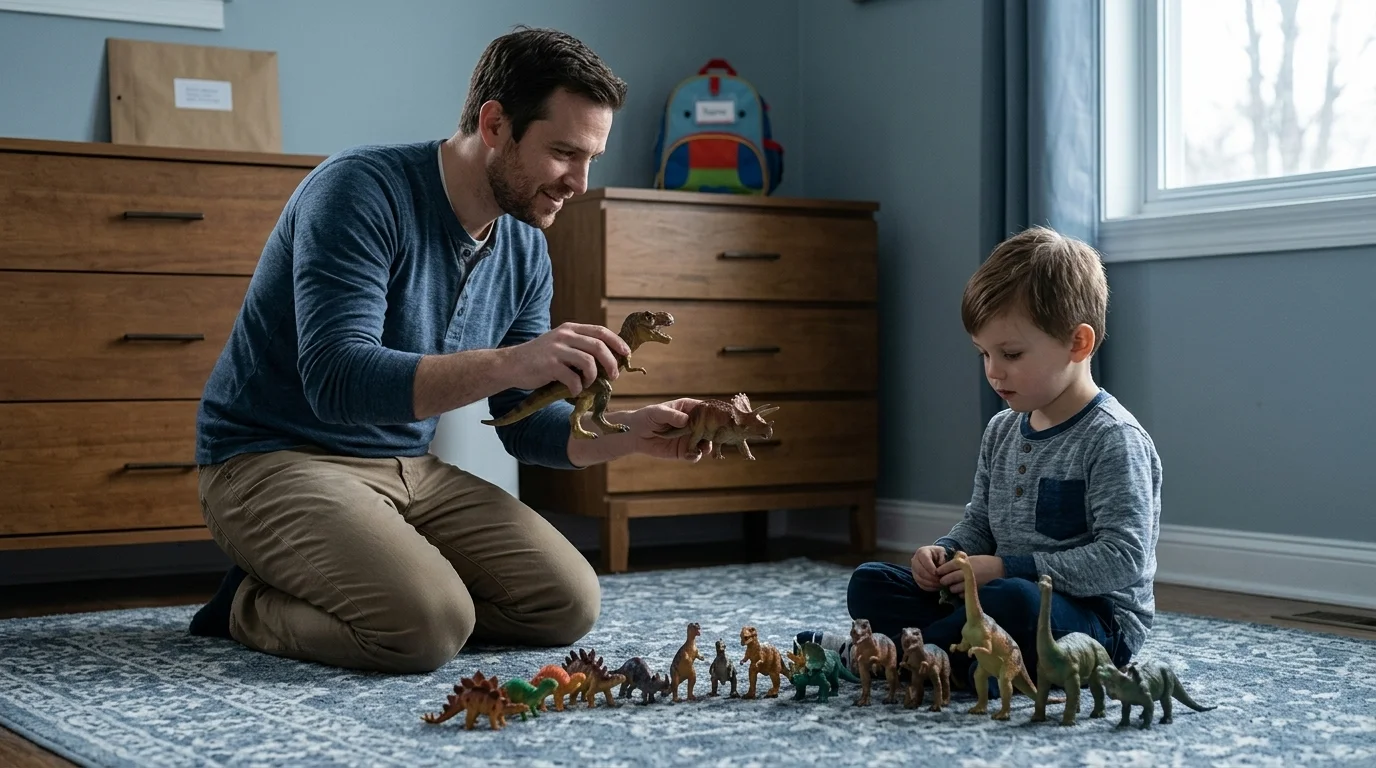
Your six-year-old comes home from a playdate and tells you, in detail, what the other kid did wrong. Again. You've watched the same pattern at the park, in the cousins' basement, at the school carnival — your child wants to be around other kids, but doesn't quite know how to stay there. Peer skills aren't something most children absorb by osmosis, especially children with autism, and "be nice" isn't a strategy. What works is reinforcement: noticing the small moments your child gets it right, and making those moments matter. This article walks through what positive peer interactions look like, why reinforcing them matters more than correcting what goes wrong, and the practical strategies parents and teachers can use day to day.
Benefits of Positive Peer Interactions in Inclusive Child Care
Positive peer interactions in inclusive child care provide numerous benefits for children. These interactions are crucial for promoting social and emotional development, enabling children to form strong relationships and understand their feelings better. Through frequent engagements with peers, children learn to navigate social norms, which enhances their self-awareness and emotional regulation.
Communication skills
When children interact positively, they naturally develop their communication skills. Sharing ideas and thoughts encourages clarity in expression and active listening. These interactions are vital for fostering early language skills and helping children articulate their emotions effectively, which is essential for building friendships.
Conflict resolution
Moreover, positive peer interactions help children cultivate conflict resolution skills. By engaging in shared activities, children often encounter differing opinions or desires. Learning to negotiate and compromise in these situations helps them become adept at resolving conflicts peacefully — an invaluable skill that extends beyond early childhood.
Empathy and self-esteem
Engaging with a diverse group of peers also promotes empathy and understanding. Children who participate in inclusive environments learn to appreciate differences and develop a sense of compassion for others. This exposure boosts their self-esteem and confidence, as they feel valued and accepted within their group.
In summary, these benefits from positive peer interactions contribute to a more inclusive environment where every child can thrive and learn from one another.
Significance of Reinforcing Positive Behavior
Reinforcing positive behavior is essential because it encourages individuals, particularly children, to engage in positive actions by connecting these behaviors with rewarding experiences. This approach cultivates a supportive environment in which students feel valued and acknowledged for their efforts.
Positive reinforcement techniques
Common techniques include descriptive praise, where teachers clearly specify what behavior is being rewarded. Also, tangible rewards like stickers or extra playtime can significantly motivate children, making them more likely to repeat desired behaviors.
Impact on self-esteem
Such recognition not only bolsters self-esteem but also fortifies relationships between parents, teachers, and students. For instance, when educators consistently recognize and celebrate positive actions, it creates a trusting atmosphere that promotes effective learning and peer interactions. This builds children's confidence, encouraging them to express themselves and connect socially.
Long-term behavior changes
Moreover, utilizing positive reinforcement effectively can lead to lasting changes in behavior. Over time, consistent recognition of good behavior can foster intrinsic motivation, making children more likely to engage in positive actions even without external rewards. This strategy promotes a holistic approach to emotional regulation and social skills development, enhancing overall classroom dynamics.
Strengthening relationships
Ultimately, reinforcing positive behavior is crucial for establishing healthy relationships in educational settings. It cultivates a culture of support and growth, essential for both academic success and social-emotional development. Engaging children in this way fosters mutual respect and understanding, facilitating stronger connections among peers.
Role of Positive Peer Modeling in Social Interactions
Positive peer modeling plays a crucial role in enhancing social interactions and preventing bullying. It involves demonstrating behavior that promotes inclusivity, cooperation, and respect among peers. Children learn by observing the actions of their peers; when they see positive behaviors being rewarded — such as kindness or teamwork — they are more likely to imitate those actions due to positive reinforcement.
Social reinforcement, like receiving praise or approval from classmates, further solidifies this behavior. When students support and recognize each other's positive actions, it creates an environment where socially acceptable behavior flourishes. This constructive acknowledgment not only encourages children to engage in good behaviors but also fosters a sense of belonging and community.
Additionally, positive peer models empower bystanders in bullying situations. When children witness their peers intervening or supporting victims with kindness, they feel encouraged to speak up and act against bullying. This collective response helps to cultivate a culture of support and accountability among students, effectively reducing incidents of bullying in the school environment.
By reinforcing positive behaviors and encouraging intervention, positive peer modeling contributes significantly to healthier social interactions, creating a safer and more enjoyable atmosphere for all students.
Importance of Positive Reinforcement in Autism
Positive reinforcement is essential for children with autism, as it cultivates a supportive learning environment. Recognizing and rewarding desired behaviors helps children feel valued and understood, which is critical for their emotional well-being.
Skill Development Through Rewards
By incorporating positive reinforcement strategies, instructors can promote skill development effectively. When children receive immediate and specific praise for behaviors they exhibit, it increases the likelihood that they will repeat those behaviors. This system serves as a foundation for teaching social and communication skills, crucial for their overall development.
Avoiding Emotional Harm
One of the significant advantages of positive reinforcement is that it avoids the emotional harm often associated with punishment. Instead of instilling fear or anxiety, this approach encourages compliance and allows children to engage freely in learning experiences, contributing to a healthier emotional state and boosting their self-esteem.
Promoting Internal Motivation
Ultimately, the goal of utilizing positive reinforcement in autism is to foster internal motivation. By emphasizing rewarding preferred behaviors, children learn to find satisfaction and reward in their actions. This leads to greater independence and self-regulation, allowing them to navigate social interactions with increased confidence.
| Aspect | Description | Benefits |
|---|---|---|
| Supportive environment | Fosters emotional safety and understanding | Enhances learning engagement |
| Skill development | Rewards desired behaviors, promoting learning | Strengthens social skills |
| Avoiding emotional harm | Reduces fear and anxiety associated with punitive measures | Improves self-esteem |
| Internal motivation | Encourages self-driven learning and independence | Fosters greater confidence |
Strategies for Reinforcing Positive Peer Relationships
Social skills are foundational for children as they navigate their interactions with others. Effective communication, empathy, and problem-solving are crucial for building strong peer relationships. Explicit teaching of these skills can be particularly beneficial for those struggling with social interactions, such as children with developmental challenges.
Role-Playing and Structured Activities
Role-playing scenarios during structured activities like circle time can be instrumental in reinforcing positive behavior. Activities such as 'getting to know you' bingo and partner interviews encourage collaboration and help children learn about each other. These practical sessions create safe spaces for kids to practice skills like sharing and collaboration.
Encouragement and Feedback
Teachers play a pivotal role in providing encouragement and feedback during interactions. Descriptive praise and immediate feedback help build children's confidence. A nurturing environment where positive behaviors are consistently recognized enhances students' engagement and willingness to participate.
Incorporating SEL Programs
Implementing Social Emotional Learning (SEL) programs can significantly enhance children's ability to manage their emotions and build positive relationships. Programs like Incredible Years focus on strengths, using positive reinforcement to promote social skill development, making interactions more meaningful and sustained. For families learning these techniques together, structured parent training helps caregivers carry the same approach into daily routines at home.
Positive Behavioral Support in Education
Creating a nurturing classroom environment is essential for fostering positive social interactions among preschoolers. Supportive settings that recognize and reward positive behaviors encourage children to engage more fully with their peers. Positive reinforcement, such as immediate praise or recognition, helps to build students' confidence and motivates them to replicate desired behaviors.
Explicit teaching of social skills
Not all children naturally acquire the social skills necessary for effective peer interactions. Explicit teaching methods, such as modeling appropriate behaviors and structured role-plays during activities like circle time, can be especially beneficial. Strategies focusing on skills such as sharing and conflict resolution empower children to interact positively and enhance their emotional development.
Impact on classroom dynamics
When positive behaviors are consistently reinforced, they lead to better classroom dynamics. Children who feel supported are more likely to collaborate, engage, and build meaningful relationships with their peers. Additionally, a positive behavior culture can significantly reduce instances of bullying and promote inclusion within the classroom.
Encouraging positive behaviors
To reinforce positive behaviors effectively, it's crucial to provide timely and specific feedback. Teachers can lay down clear expectations and celebrate progress, reinforcing a culture of encouragement. By engaging children in collective activities, like class projects or social games, educators help foster a sense of community that supports ongoing positive interactions among peers.
| Topic | Strategy/Example | Benefits |
|---|---|---|
| Supportive environments | Praise and recognition | Build confidence and improve participation |
| Teaching social skills | Role-playing scenarios | Enhance understanding and application of skills |
| Classroom dynamics | Positive culture and peer support | Decrease bullying, improve cooperation |
| Encouraging behaviors | Clear expectations and celebrations | Foster a sense of belonging and achievement |
Social Skills Development Through Positive Reinforcement
Preschoolers thrive on social connections, and positive peer interactions significantly enhance their popularity and inclusion in classroom activities. These interactions help cultivate essential social skills like sharing, problem-solving, and collaboration. Teachers play a crucial role by integrating opportunities for children to engage with peers throughout their daily activities. This systematic embedding allows educators to provide guidance and feedback, assisting children in developing constructive behaviors.
Cooperative Play and Activities
Cooperative play is particularly effective in fostering social competence among children. Activities such as group projects, 'getting to know you' games, and joint art tasks encourage collaboration and communication. These settings offer children a platform to practice social skills, enhancing their ability to work harmoniously with peers. Moreover, positive reinforcement in these environments can include praising children for teamwork, resulting in improved peer relationships.
Developing Social Competence
Teaching social skills effectively involves role-playing scenarios during group interactions and circle time. Strategies such as positive reinforcement — through verbal praise or rewards — help reinforce desirable behaviors. This approach nurtures emotional well-being, fostering self-esteem and increased likelihood of positive peer interactions.
Integrating into Broader Social Contexts
The skills learned through positive reinforcement strategies are essential for navigating broader social contexts beyond the classroom. As children build friendship skills, their ability to engage with different social groups improves, reducing stress and enhancing emotional health. Overall, positive reinforcement solidifies social skill development, transforming children into empathetic and socially competent individuals.
Practical Applications in Enhancing Peer Interactions
Engaging preschoolers in interactive activities is essential for fostering positive peer interactions. Activities like 'getting to know you' bingo and partner interviews can help students learn about each other, enhancing connections. Class service projects promote teamwork and empathy, allowing children to focus on shared goals.
Social-Emotional Learning
Incorporating Social Emotional Learning (SEL) is vital in teaching children to manage emotions, set goals, and develop empathy. Through SEL, children gain essential social skills such as communication and cooperation, which are crucial for building positive relationships with peers.
Peer-Mediated Interventions
Peer-mediated interventions actively involve classmates in reinforcing positive behaviors. This promotes collaboration and understanding, as children learn from one another and motivate each other to engage in socially appropriate actions.
Supporting Children with Developmental Challenges
Explicitly teaching social skills is important, especially for children facing developmental challenges. Strategies such as role-playing positive interactions during structured activities can enhance their social competence. Furthermore, positive reinforcement tailored to their interests helps build their confidence and encourages successful peer interactions.
Exploring Theoretical Foundations of Positive Interactions
Operant conditioning plays a fundamental role in shaping behaviors through reinforcement. This principle states that when desirable behaviors are followed by positive stimuli, the likelihood of those behaviors being repeated increases. Similarly, observational learning emphasizes that children learn by observing others; they are likely to imitate positive interactions witnessed in their environment. This means that both reinforcement and modeled behavior can significantly improve social skills among young learners.
Theories of Behavior Recognition
Behavior recognition theories highlight how acknowledging positive behaviors influences a child's development. This includes concepts such as self-determination, which stresses the importance of internal motivation alongside external recognition. When children receive praise for their actions, it fosters a rewarding atmosphere that encourages repeated good behavior and promotes social interactions.
Influence of Social Agents
Social agents including family, peers, and teachers are crucial in reinforcing positive behaviors. Their collective recognition of children's efforts not only boosts confidence but also solidifies the importance of positive peer interactions. The interplay between these agents creates a supportive environment essential for social-emotional growth.
Balancing Intrinsic and Extrinsic Motivation
A harmonious balance between intrinsic and extrinsic motivation is vital. While external rewards incentivize positive behavior, reinforcing the inherent value of their actions ensures that children's engagement and self-worth are maintained over time. This balance fosters a healthy social environment conducive to strong peer relationships.
Conclusion
Positive peer interactions are pivotal in shaping the social, emotional, and cognitive development of children. By fostering an environment where children can engage in meaningful exchanges, educators and parents can lay the groundwork for lifelong skills. The incorporation of positive reinforcement strategies, teaching social skills, and modeling appropriate behaviors are vital tools in supporting this development. Whether in inclusive settings or among children facing developmental challenges, these interactions and support systems play a crucial role in creating harmonious and productive learning environments. As we continue to explore and implement these strategies, the ultimate goal remains to nurture capable, empathetic, and socially proficient individuals.
Why Mastermind Behavior
Mastermind Behavior is a BCBA-owned and operated in-home ABA therapy provider serving families across New Jersey, Georgia, and North Carolina. Peer skills are best practiced where children actually meet other kids — at home with siblings, on playdates, in the backyard — so our BCBAs and Behavior Technicians come to your home, learn your family's rhythm, and build reinforcement strategies into the moments your child is already in. With a 90%+ staff retention rate and no onboarding waitlist, most families begin direct services within six weeks of their initial assessment.
If you're exploring ABA therapy for your child, schedule a free consultation or call us at 732.813.7333. We'll walk you through what's possible and help you figure out the right next step — no pressure, no commitment.