The importance of celebrating small successes in therapy
Why Celebrating the Little Wins Matters in Therapy

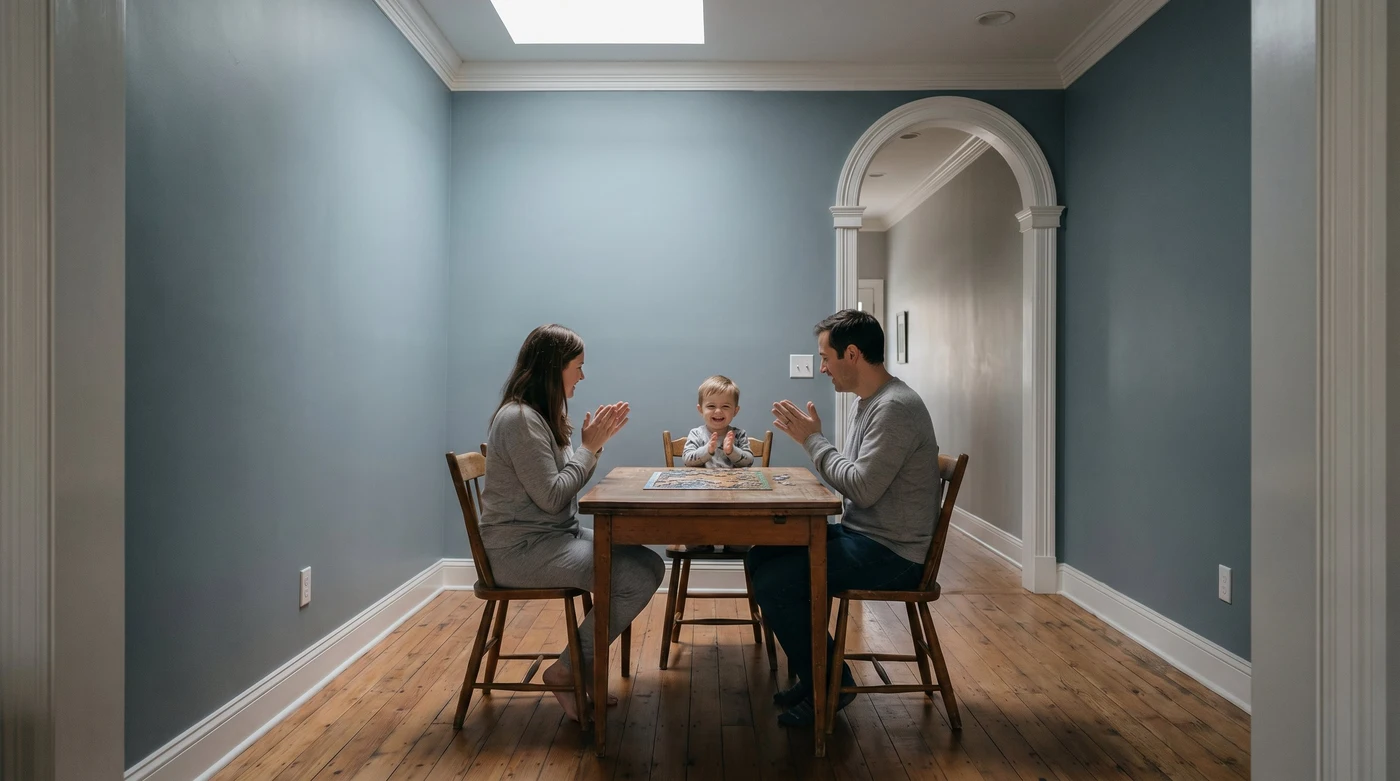
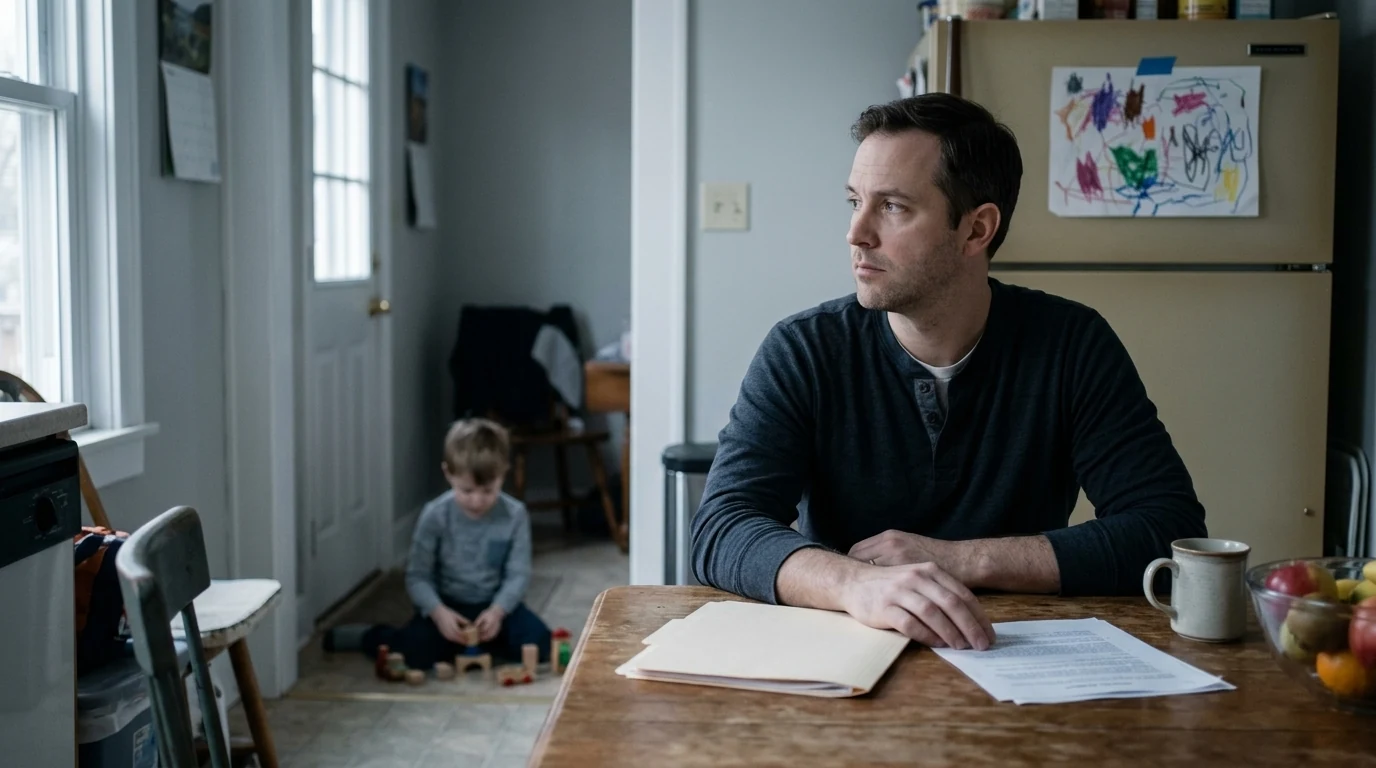
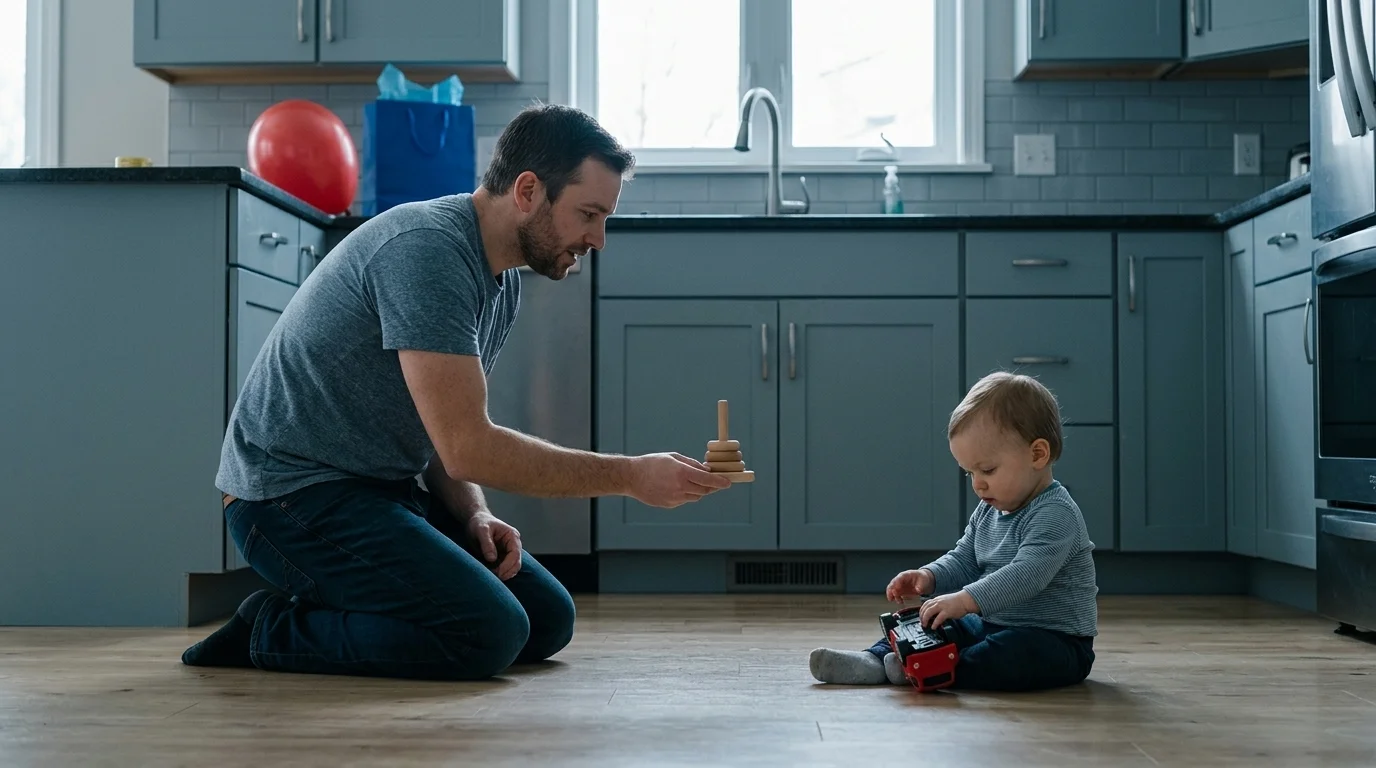
Three weeks into ABA therapy and your son finally tolerated the haircut without screaming. Twenty seconds of stillness. The hairdresser said "good job" and you almost cried in the car. The progress that matters most in therapy rarely looks like a finish line. It looks like 20 quiet seconds, or one new word, or the first time your child hands you a picture instead of melting down. Celebrating these small wins isn't a parenting platitude — it's a clinical strategy. Here's why your BCBA is paying close attention to the small stuff, and why you should too.
Building Confidence Through Small Wins in Therapy
Celebrating small achievements plays a crucial role in building confidence and is significant in therapy for several reasons. Firstly, it boosts morale by acknowledging progress, even if minor, encouraging individuals to continue working towards their goals. This practice promotes positive reinforcement, helping individuals associate their efforts with positive outcomes, thereby reducing feelings of anxiety and self-doubt.
Shifting focus from perceived failures to actual accomplishments helps counteract self-criticism. Each small victory reinforces the belief in one's abilities, which can drastically improve self-esteem. This acknowledgment is especially important in therapeutic settings where individuals often face challenges like anxiety and depression.
Positive reinforcement in therapy
Positive reinforcement is a fundamental principle in therapy that can significantly affect motivation and behavior. When individuals celebrate small wins, it not only acknowledges their hard work but also activates their brain's reward system, boosting motivation. This cycle of rewarding small successes ultimately fosters a growth mindset, encouraging clients to tackle larger challenges with renewed confidence.
Enhancing self-esteem and motivation
Recognizing and celebrating small victories enhances overall self-esteem and motivation. This consistent acknowledgment enables individuals to see their progress over time, creating a sense of accomplishment. Engaging in this practice not only contributes to their mental well-being but also helps them maintain a positive outlook during their therapeutic journey.
The Impact of Celebrating Successes on Mental Well-being and Motivation
Celebrating successes, both big and small, significantly impacts mental well-being and motivation by activating the brain's reward system. This activation boosts feelings of satisfaction, releasing dopamine which reinforces positive behaviors. As individuals celebrate small wins, they create a sense of accomplishment, which helps reduce stress levels and lowers the risk of burnout. This healthier mindset is crucial for pursuing larger goals in therapy and personal development.
Recognizing small wins also plays a vital role in strengthening self-esteem and building hope. It fosters a feeling of progress, which encourages individuals to continue their efforts. When achievements are celebrated, it enhances social connections, as sharing these moments with others often leads to shared joy and support within relationships. This environment of encouragement not only uplifts individuals but also collectively nurtures motivation within a community.
Overall, intentionally focusing on successes counteracts the brain's negativity bias, cultivating a positive cycle of motivation and achievement that fuels continued growth and resilience.
Understanding the Importance of Acknowledging Small Successes in Therapy
Celebrating small successes in therapy is crucial as it helps maintain motivation and commitment towards achieving larger goals. Recognizing even minor advancements fosters a sense of accomplishment, which can enhance mood and self-confidence. This practice activates the brain's reward centers, releasing dopamine—a neurotransmitter linked to feelings of happiness and motivation.
A few notable benefits include:
- Maintaining motivation: Acknowledging small victories against anxiety or depression helps individuals build momentum towards larger goals.
- Fostering a sense of accomplishment: Each small win reinforces positive behaviors and boosts self-efficacy, reminding individuals of their capabilities.
- Creating a supportive therapeutic environment: Sharing these successes cultivates a communal atmosphere where individuals feel encouraged and supported, which is vital for navigating setbacks.
To illustrate, practical actions like maintaining a progress journal or celebrating with friends can greatly enhance the therapeutic experience. Skills developed from recognizing these small achievements, such as goal setting and emotional awareness, lay a robust foundation for personal growth in therapy.
In sum, celebrating small wins contributes substantially to emotional safety and resilience, making it integral for ongoing progress in the therapeutic journey.
Practical Strategies to Celebrate Small Wins in Therapy
Celebrating small wins in therapy is essential for maintaining motivation and fostering a positive mindset. Here are some effective strategies:
Tracking Progress and Journaling
Keeping a progress journal can be incredibly beneficial. Reflecting on achievements and feelings over time helps individuals appreciate their journey. This documentation makes growth visible, providing tangible evidence of progress.
Setting SMART Goals
Creating Specific, Measurable, Achievable, Relevant, and Time-bound (SMART) goals allows individuals to break larger tasks into smaller, manageable steps. This clarity not only reduces overwhelm but also provides a clear framework to celebrate each achievement along the path.
Using Personal Affirmations
Incorporating personal affirmations into the daily routine can further enhance motivation. Simple phrases that acknowledge one's strengths and capabilities help reinforce a positive self-image and remind individuals of their ability to achieve.
Sharing Successes
Sharing successes with supportive friends or therapeutic groups fosters a culture of encouragement. It is not just about individual victories; it's about building a community that celebrates growth together. This interaction enhances relationships and reinforces the importance of recognizing even the minor milestones.
Overall, recognizing and celebrating small wins boosts self-esteem, enhances motivation, and supports continued progress in therapy.
The Psychological Basis for Celebrating Small Victories in Therapy
Recognizing small achievements is supported by several psychological theories that underscore their importance in therapy. One foundational theory comes from Martin Seligman's positive psychology, which emphasizes the significance of the 'Accomplishment' component in the PERMA model. This model suggests that acknowledging accomplishments enhances overall well-being and cultivates positive emotions in individuals.
Linking Self-Efficacy and Motivation
The concept of self-efficacy further validates this approach. Rooted in the Social Cognitive Theory and Health Belief Model, self-efficacy illustrates how recognizing small successes boosts an individual's belief in their capability to achieve goals. This heightened self-belief encourages perseverance in the face of challenges and builds resilience, making it imperative to celebrate minor victories in therapeutic settings.
Strengths-Based Approach and Its Benefits
Additionally, a strengths-based approach in therapy fosters recognition of personal strengths and achievements. This method not only reduces feelings of depression but also enhances fulfillment. By focusing on accomplishments, individuals can experience positive reinforcement that promotes further progress, validating the notion that each small victory contributes to a cycle of motivation.
Table of Psychological Benefits of Celebrating Small Wins
Acknowledging small wins nurtures psychological resilience and reinforces motivation, paving the way for remarkable advances in therapy.
The Broader Impact of Celebrating Small Wins in Therapy
Celebrating small wins is vital for fostering a growth mindset in therapy. Each acknowledged achievement reinforces the belief that progress is possible, encouraging individuals to view setbacks as opportunities for learning and growth. This positive reinforcement builds resilience, making it easier to tackle more ambitious goals and challenge negative self-perceptions.
Fostering mindfulness
Recognizing small victories also encourages mindfulness by promoting awareness of one's current achievements rather than dwelling on past failures or future anxieties. This present-focused mindset helps individuals appreciate their journey, creating a sense of gratification that enhances emotional well-being.
Cultural implications of recognition
The act of celebrating successes can extend beyond individual therapy sessions; it can shape a cultural framework of support within groups. Sharing accomplishments fosters a sense of community, where individuals uplift and encourage one another, essential for sustaining motivation and promoting long-term recovery. This culture of recognition helps individuals feel valued and connected, as they collectively navigate their therapeutic journeys.
Conclusion
The journey through therapy is a tapestry woven from countless small victories, each one a vital thread of progress and growth. Celebrating these achievements, no matter their size, is more than a moment of simple joy—it's an investment in one's resilience, confidence, and long-term success. By acknowledging every stride forward, individuals in therapy are empowered to embrace their strengths, navigate challenges with renewed vigor, and cultivate a mindset primed for growth and healing. As the evidence shows, each celebration cements a foundation upon which future successes are built, illustrating that indeed, the smallest steps can lead to the greatest transformations.
Why Mastermind Behavior
Mastermind Behavior is a BCBA-owned and operated in-home ABA therapy provider serving families across New Jersey, Georgia, and North Carolina. Our BCBAs and Behavior Technicians work alongside parents through structured parent training so the small wins your child has in session also show up at home — at the dinner table, at the park, at bedtime. With a 90%+ staff retention rate and no onboarding waitlist, most families begin direct services within six weeks of their initial assessment.
If you're exploring ABA therapy for your child, schedule a free consultation or call us at 732.813.7333. We'll walk you through what's possible and help you figure out the right next step — no pressure, no commitment.