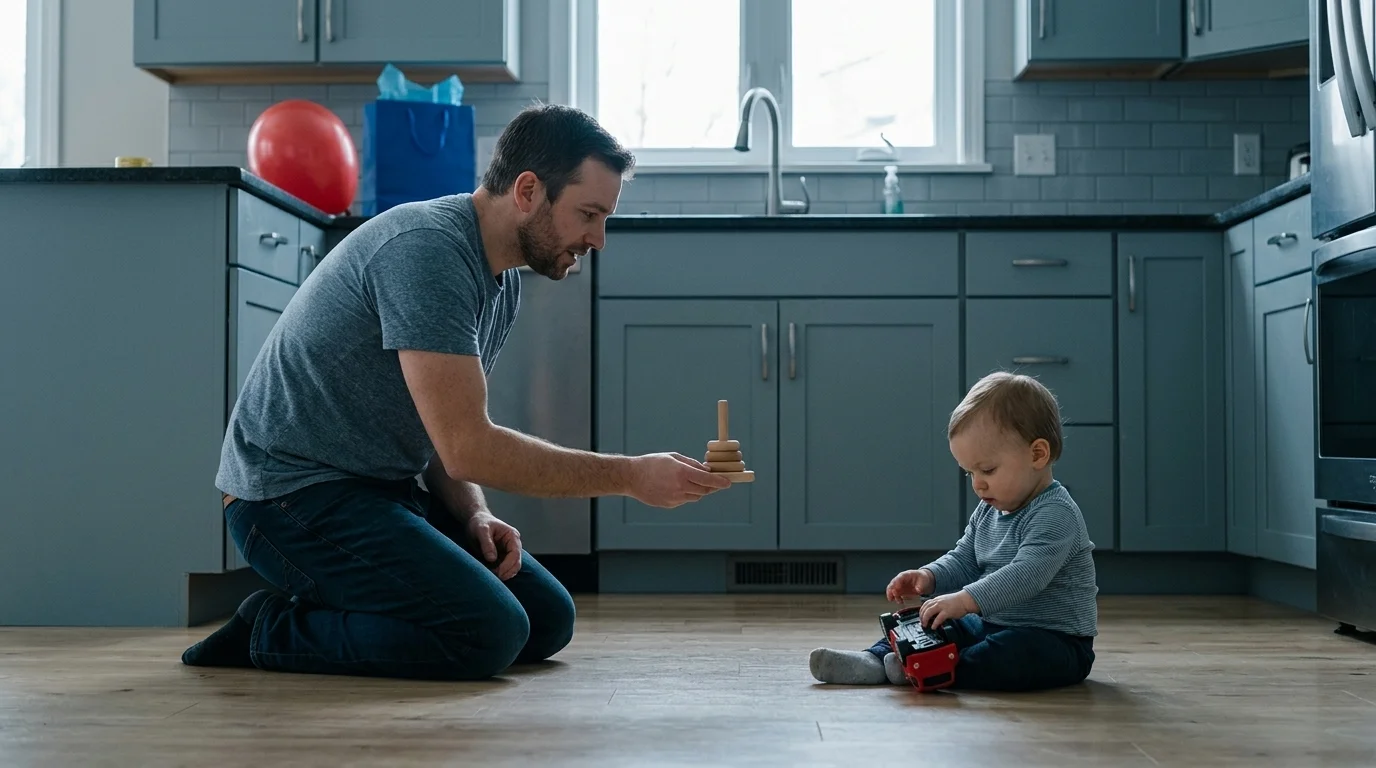
The Impact of Positive Peer Models on Social Skills Development in ASD
Harnessing Peer Power to Boost Social Success in Children with ASD

The thought sits with you on the drive home from the birthday party, the one you would not say out loud: you watched your daughter stand near the other kids for almost an hour and never quite get in. She wanted to. You could see her wanting to. She just did not seem to know the way in.
For a lot of children with autism, that is the gap. Social skills like reading a face, taking a turn, or joining a game already in motion do not always come on their own, and that can make friendships, classrooms, and everyday play harder than they should be. One of the more encouraging findings in the research is also one of the simplest: other kids can help. This article looks at how positive peer models support social skills development in children with autism spectrum disorder (ASD), what the evidence actually shows, and how families and professionals can put it to work.
The Role of Typical Peer Models in Social Skills Development
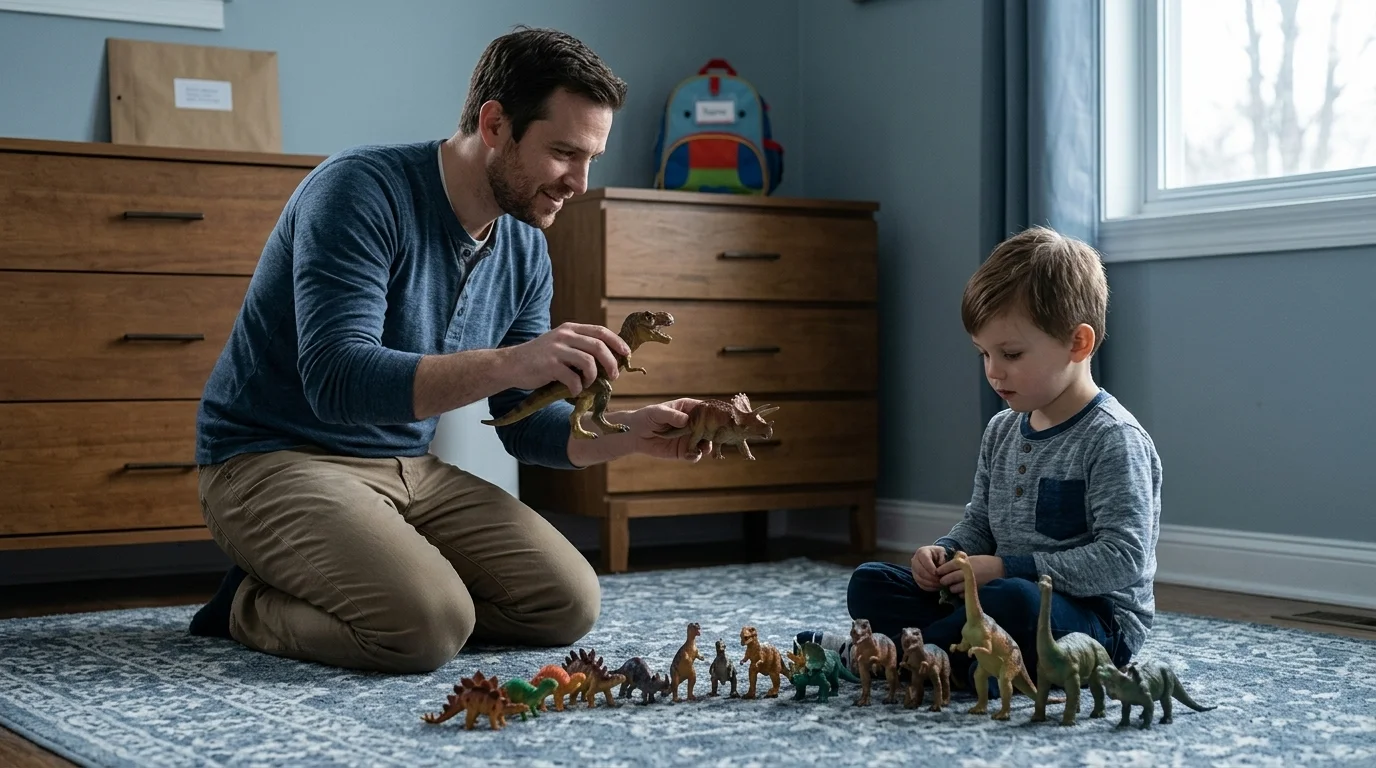
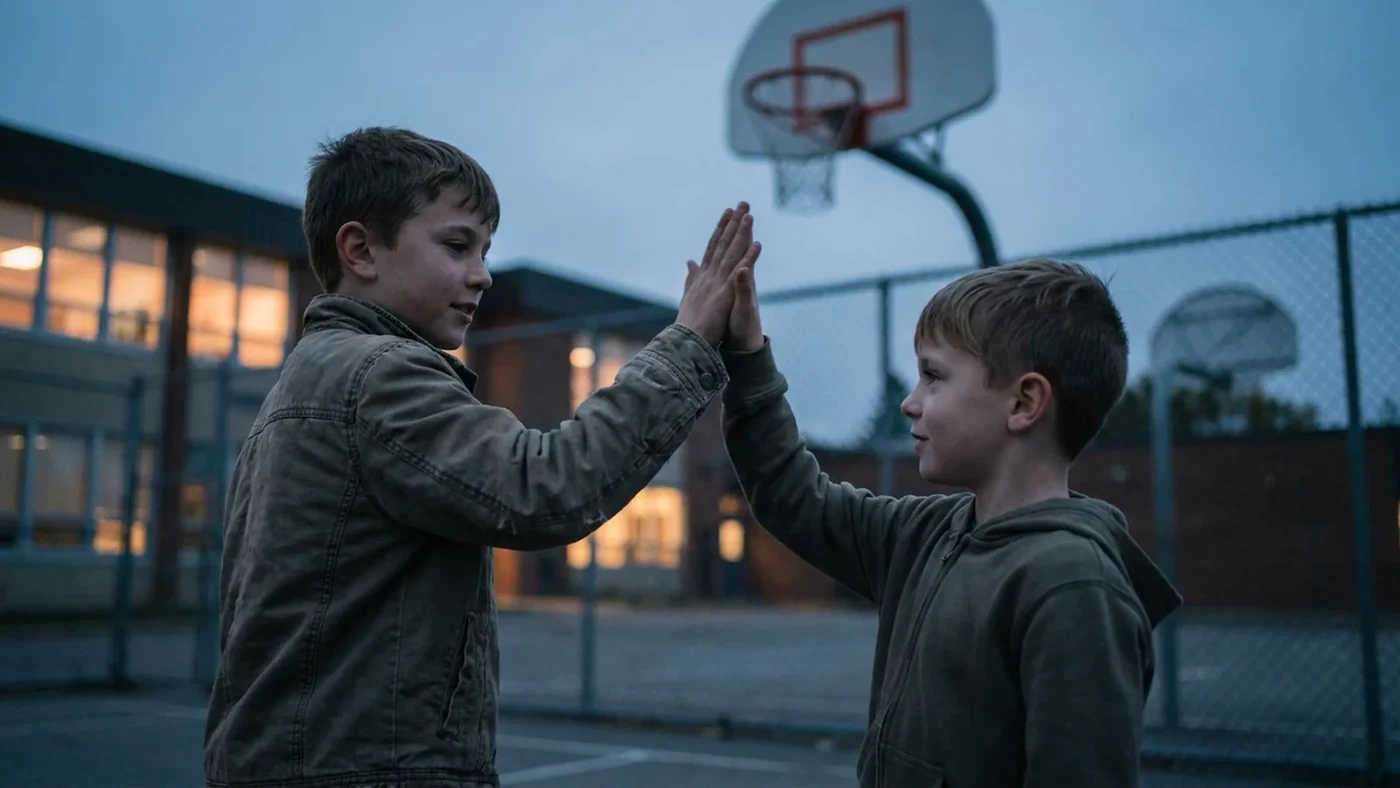
Peer models serve as natural exemplars of social behavior, demonstrating how to initiate conversations, respond appropriately, and maintain interactions within the classroom setting. Their presence encourages children with autism to observe and imitate these positive behaviors, fostering real-life social exchanges. These interactions often occur in small group activities or during routine classroom routines, making them relevant and seamless parts of daily life.
Research indicates that when children with ASD see their typically developing peers engaging in social activities, they become more motivated and engaged to participate themselves. The peer models act as social anchors, providing cues, both visual and behavioral, that guide children with autism toward more spontaneous engagement.
What is involved in training of typically developing peers as role models?
Training is a vital step in preparing peers to be effective social mediators. This process typically includes didactic instruction, group discussions, and practical activities. Peers learn specific strategies, such as how to initiate interactions, respond to social cues, and reinforce positive behaviors in children with ASD.
Many programs utilize videos, role-playing, and direct observation to reinforce these skills. The goal is to ensure peers are comfortable, confident, and consistent in their interactions. Parents are sometimes surprised that we spend the first sessions coaching the typical peer, not the child with autism. The quieter truth is that a well-prepped peer who knows to pause and wait often does more for a child's social confidence than any adult prompt can.
This training often emphasizes promoting inclusive and supportive environments. Peers are encouraged to understand autism, which helps build empathy and reduces social stigma, leading to more natural and effective interactions.
Behaviors demonstrated by peer models such as initiating and responding to social cues
Effective peer models demonstrate behaviors that promote social engagement, including:
- Initiating interactions: Approaching a child with ASD to start a conversation or a shared activity, such as offering a toy or asking them to join a game.
- Responding to social cues: Noticing when the child looks over, gestures, or speaks, and answering in a way that keeps the exchange going.
- Reinforcing and including: Giving a warm response when the child participates, and leaving room for them to take a turn rather than filling every gap.
In our practice, the peers who help most are not the most outgoing ones. They are the ones who learn to slow down, wait a beat, and let the child with autism come halfway.
Research Evidence Supporting Peer-Mediated Interventions
Social interactions and peer groups offer numerous advantages for children with autism spectrum disorder (ASD). These environments provide structured opportunities for skill development in communication, social responsiveness, and friendship-building. Engaging with peers allows children with ASD to observe and imitate social behaviors, which can enhance their understanding of social cues and appropriate responses.
Participation in peer groups promotes a sense of belonging and inclusion, reducing feelings of social isolation and boosting emotional well-being. Such interactions also serve as platforms for practicing language skills in natural settings, which supports overall communication development.
Through tailored social skills training within peer groups, children with ASD can experience growth in independence and self-confidence. This, in turn, improves their ability to navigate social situations outside structured settings, fostering greater social competence and a better quality of life.
How effective are peer-mediated programs according to scientific research?
Scientific studies consistently demonstrate that peer-mediated programs are effective in improving social skills for children with ASD. These programs involve training typically developing peers to act as social models or tutors, encouraging natural interactions that promote meaningful social engagement.
Research indicates that such interventions lead to significant increases in social initiations, responses, and reciprocal friendships among children with autism. In fact, Peer-Mediated Instruction and Intervention (PMII) is classified as an evidence-based practice by the National Professional Development Center on Autism Spectrum Disorders.
Multiple peer-reviewed studies reveal that approximately 80% of intervention programs report improvements in social behaviors, including initiating conversations, responding appropriately, and increasing spontaneous social interactions. These enhancements not only benefit children with ASD but also positively influence their peers' attitudes and acceptance levels.
Furthermore, peer programs often result in reduced social stigma and increased inclusivity, fostering environments where children with ASD feel more accepted and understood. The dual benefits of social skill development and peer attitudinal change underscore the value and wide applicability of peer-mediated interventions.
Specific social skills improved through peer interventions
Peer interventions effectively target several core social skills in children with ASD, including:
| Social Skill | Description | Impact of Intervention |
| Social Initiations | Starting conversations or activities with peers | Increased frequency and confidence in initiating social contacts |
| Social Responses | Responding appropriately to peer interactions | Improved responsiveness and reciprocity in interactions |
| Spontaneous Engagement | Unprompted participation in social activities | Higher spontaneous involvement in peer activities |
| Building Friendships | Forming and maintaining peer relationships | Enhanced number of reciprocal friendships |
| Understanding Social Cues | Recognizing facial expressions, gestures, and tone | Better interpretation of non-verbal signals |
| Communication Skills | Verbal and non-verbal exchange | Improved clarity and appropriateness of communication |
These targeted improvements contribute to more naturalistic and functional social interactions, which are crucial for children with ASD's ongoing social integration. Overall, peer interventions serve as a vital, evidence-supported approach to fostering essential social competencies in children with autism.
Implementation Strategies and Practical Approaches
Effective peer-mediated social skills interventions rely on training typically developing (TD) peers to serve as role models and facilitators of social interaction for children with autism spectrum disorder (ASD). These strategies aim to create natural and meaningful social opportunities, fostering inclusion and boosting social competence.
One common approach includes the use of diverse intervention models such as integrated play groups, peer buddy systems, peer tutoring, group contingencies, and peer initiation training. Each method encourages children with ASD to observe, imitate, and practice appropriate social behaviors in authentic settings.
Peer-Mediated Instruction and Intervention (PMII) is recognized as an evidence-based practice that has shown positive impacts on the social skills of children with ASD. Such interventions not only improve social interactions but also promote positive attitudes and understanding among typically developing peers.
To prepare children for successful social exchanges, strategies like visual supports, social stories, and video modeling are frequently employed. These tools help children understand social cues, expectations, and routines, which reduces anxiety and increases engagement. When anxiety or big reactions are the real barrier to joining in, our BCBAs work on managing those feelings directly so a child can stay present long enough to practice.
Supporting individual motivation is another crucial element. Incorporating positive reinforcement, recognizing personal interests, and designing engaging activities make social interactions more appealing and meaningful for children with ASD.
Creating supportive environments where children feel safe to practice skills is essential. This includes structured settings, clear behavioral expectations, and adult supervision that facilitates but does not interfere with peer interactions.
The combination of these practices and tools results in more natural and effective social skills development, which can lead to improved peer relationships and greater inclusion in educational and community settings.
Types of peer-mediated interventions (play groups, buddy systems, peer tutoring)
| Intervention Type | Description | Typical Settings | Benefits |
| Play Groups | Small, structured social play sessions among peers focused on shared interests. | Schools, camps, community centers | Promotes spontaneous social interactions, language use, and joint attention. |
| Peer Buddy Systems | TD peers are paired with children with ASD to provide ongoing social support. | Schools, inclusive classrooms | Fosters friendship development, social modeling, and inclusivity. |
| Peer Tutoring | Peers assist with academic tasks and social skills instruction, often with structured guidance. | Classrooms, after-school programs | Enhances academic engagement and social responsiveness. |
Training methods and tools (visual supports, social stories, videos)
| Method/Tool | Purpose | Application | Advantages |
| Visual Supports | Aid understanding of social cues and routines. | Visual schedules, cue cards, PECS | Reduce anxiety, enhance understanding, and support independent engagement. |
| Social Stories | Teach social norms and appropriate responses. | Personalized narratives explaining social situations | Clarify expectations, improve behavior, and decrease social anxiety. |
| Videos | Demonstrate ideal social interactions and behaviors. | Role-playing scenarios, modeling videos | Provide clear examples, increase motivation, and support imitation. |
Facilitating naturalistic social interactions in educational settings
Creating opportunities for natural social interactions is vital for sustained social development. This can be achieved through structured activities like lunchtime groups, small-group projects, or choice-based play scenarios. Teachers and staff should design environments that promote peer collaboration and communication. Visual and social supports can be integrated seamlessly to guide interactions.
Supporting peers and children with ASD with clear expectations, visual cues, and regular prompts can help maintain focus and participation. Encouraging children to share interests, use humor, or work on joint tasks builds meaningful connections. Importantly, adults should facilitate but not dominate these interactions, allowing children to explore social dynamics independently.
By embedding these strategies into everyday routines, educators can foster inclusive, engaging, and supportive learning environments that promote social growth for children with ASD and their peers.
How can peer-mediated practices be integrated into classrooms?
Integrating peer-mediated practices (PMII) into everyday educational settings involves several deliberate strategies. First, teachers select typically developing peers who demonstrate social competence, connectivity, and positive attitudes toward inclusion. These peers are trained through didactic sessions, role-playing, and video modeling on how to serve as effective 'buddies' or 'tutors.'
Structured activities are then designed around natural classroom routines, such as center time or group work, to promote spontaneous and meaningful social interactions. Teachers facilitate these interactions by creating inclusive activities that encourage children with and without ASD to collaborate and communicate.
Consistent monitoring and feedback are vital. Teachers observe peer interactions, reinforce positive behaviors with praise, and adjust activities as needed. Visual supports, social stories, and clear expectations help prepare children for interactions, reducing anxiety and fostering success.
This approach not only enhances social skills but also supports academic engagement and classroom cohesion. Embedding peer-mediated techniques into routine instruction turns social skill development into a seamless part of learning.
How can teacher and family involvement enhance social skill development?
Both teachers and families play a crucial role in reinforcing social skills learned through peer-mediated interventions. Teachers can organize training sessions for peers, incorporate social skills curricula, and create classroom environments that welcome diversity and promote acceptance. Regular collaboration with families ensures consistency across home and school contexts.
Families are encouraged to reinforce social behaviors at home by practicing social stories, involving children in social activities, and discussing positive peer interactions. Home visits, newsletters, and parent workshops facilitate communication and shared understanding of goals.
This dual involvement creates a supportive network that not only maintains intervention gains but also promotes generalization of social skills. When children see consistent expectations and support from both educators and family members, their confidence and ability to form peer relationships significantly increase.
How can inclusive education support social skills through peer interactions?
Inclusive environments are designed to offer authentic opportunities for children with ASD to engage with their diverse peers in everyday settings. These environments diminish social isolation, normalize interactions, and demonstrate acceptance of neurodiversity.
Strategies such as co-teaching, peer buddy systems, and differentiated instruction help accommodate individual needs while encouraging peer engagement. Visual supports, social narratives, and targeted social skills training further prepare children for inclusive participation.
Educators foster a culture of understanding and respect, which helps children with ASD build meaningful relationships. Such settings promote confidence, emotional resilience, and social competence over time.
Research indicates that inclusive education enhances social skill development by providing real-world contexts for practicing social behaviors, observing peer modeling, and receiving ongoing feedback.
What are practical insights and strategies for implementing peer-mediated social skills interventions in educational settings?
To effectively implement peer-mediated interventions, schools should follow these strategies:
| Strategy | Description | Benefits |
| Peer Selection | Choose socially competent, accepting peers with good connectivity | Ensures positive modeling and peer support |
| Training & Practice | Use didactic sessions, role-plays, and videos | Builds confidence and understanding |
| Structured Activities | Incorporate into routine tasks, like group work and play | Promotes natural social interactions |
| Visual Supports & Social Stories | Prepare children for interactions | Reduces anxiety and clarifies expectations |
| Positive Reinforcement | Praise and encourage appropriate social behaviors | Sustains engagement |
| Monitoring & Feedback | Observe, record, and adjust interventions | Improves intervention fidelity |
| Family Involvement | Engage families to reinforce skills at home | Enhances generalization |
| Inclusive Culture | Foster acceptance and understanding among students | Facilitates meaningful connections |
Successful implementation benefits from a collaborative approach involving teachers, families, and specialists. Ongoing evaluation ensures interventions adapt to student needs and maximize social development.
Characteristics of Successful Peer-Mediated Programs
Successful peer-mediated programs for children with autism spectrum disorder (ASD) are built around the presence of peer models who are socially competent and well-connected within their classroom environments. These peers often demonstrate high social network centrality, meaning they are key figures in their social circles.
Data from research shows that such peer models receive more friendship nominations, indicating they are popular and trusted among their peers.
Further, these children tend to have higher friendship quality and experience less loneliness compared to their non-peer model counterparts. Importantly, their social standing remains stable over time, even after participating as models.
These effective programs leverage the existing social skills and popularity of peer models. By doing so, they facilitate natural, effortless interactions with children on the spectrum, encouraging genuine social engagement.
In addition, peer models’ connectivity to children with ASD is consistently higher than non-peer models at both initial and follow-up points. This suggests that their role helps strengthen their social ties and enhances inclusivity within the classroom.
Ultimately, the characteristics of these peer models, comprising social competence, popularity, connectivity, and stable social standing, are fundamental to the success of interventions. They serve as effective role models, promoting acceptance, and encouraging more inclusive and meaningful social interactions with children with ASD.
What are the long-term benefits of using positive peer models in social skill development?
The utilization of positive peer models yields benefits that extend well beyond the immediate scope of the intervention. One significant advantage is the long-lasting improvement in social engagement for children with ASD.
Peer models embedded in natural social settings help children with ASD develop enduring social skills by providing consistent, real-world opportunities to observe, imitate, and practice appropriate behaviors. These skills are not only retained but also translate into natural peer interactions, leading to increased friendships and social independence.
Furthermore, children with ASD tend to experience a boost in their social network centrality, becoming more integrated within their peer groups. This improved social connectivity fosters a sense of belonging, reduces feelings of loneliness, and enhances emotional well-being.
The benefits extend to the peer models themselves. Participation often results in increased understanding and tolerance of neurodiversity, reduced stigma, and strengthened friendships. Such positive social experiences can promote greater empathy and acceptance among students.
Over time, these dynamics contribute to better academic performance, greater school inclusion, and increased opportunities for social participation into adolescence and adulthood.
Studies support that early intervention using peer models can set the foundation for lifelong social skills and sustained social benefits, making it a promising approach for fostering inclusive environments and supporting the social development of children with ASD.
Summary and Future Directions in Peer-Mediated Interventions
The evidence strongly supports the positive effects of using typical peer models to foster social skills in children with autism spectrum disorder (ASD). These peer models, typically developing children who are socially competent and well-connected, do not experience adverse social effects from their role. Instead, they maintain stable social standing and continue to be connected within classroom social networks. Importantly, their participation benefits extend beyond immediate social interactions, contributing to long-term advantages such as increased independence, successful employment, and fuller social inclusion in adulthood.
Research indicates that peer models participate actively in naturalistic social settings, demonstrating behaviors like initiating conversations and responding appropriately, which children with ASD often find challenging. These modeling experiences not only facilitate observable improvements in social communication but also support internal motivation and engagement. Consequently, children with ASD exhibit better peer relationships and reduced feelings of loneliness, contributing to overall well-being.
The sustained nature of these benefits highlights the importance of integrating peer models into intervention plans. Their role creates an inclusive classroom environment that nurtures social growth, which, over time, translates into substantial life skills and social competence, the essential aspects for thriving in diverse social contexts and building meaningful life pathways.
Recommendations for practice and research
Looking forward, several pragmatic approaches can enhance the effectiveness and reach of peer-mediated interventions (PMIs). Firstly, expanding the scope of these interventions to include children with varying levels of autism severity is crucial. Most existing studies focus on children with average or above-average IQs; therefore, customizing strategies for children with more significant support needs is an essential priority.
Incorporating technological innovations presents promising avenues. Virtual peer modeling, augmented reality, and digital social stories could supplement traditional approaches, making interventions more accessible and engaging. For practitioners, ongoing peer training is vital. Providing structured education, practice opportunities, and feedback helps sustain the quality of peer involvement.
Furthermore, fostering inclusive environments requires raising awareness and acceptance of autism among all students and staff. Schools should implement comprehensive programs to educate peers about ASD, promoting empathy and reducing stigma.
Active involvement of families and caregivers is also recommended, as reinforcement of social skills learned at school can occur more effectively with consistent practice at home. Building community partnerships and utilizing resources such as local support groups can extend intervention benefits beyond school settings.
Continual research is needed to evaluate the long-term impact of these programs. Studies that track outcomes over several years can inform best practices and policy decisions. Rigorous assessments should also explore how cultural, socioeconomic, and individual differences influence intervention success.
Potential innovations and improvements in peer-mediated programs
Innovations in peer-mediated programs could involve integrating artificial intelligence to personalize learning and improve engagement. For instance, adaptive social skills training modules tailored for specific needs could be delivered via tablets or computers, with peer interaction integrated into these sessions.
Creating peer networks that extend across classrooms or schools could foster broader social integration, resilience, and community building. These networks might include peer mentoring programs, social clubs, or collaborative community projects.
Additionally, employing social robotics and virtual reality environments offers exciting possibilities for simulating social scenarios safely and repeatedly. These tools can help children with ASD practice social skills in a controlled, predictable setting before applying them in real-world interactions.
Finally, focusing on teacher and peer training programs that emphasize social-emotional learning and cultural competence will strengthen the foundation for inclusive and sustainable interventions. Developing comprehensive curricula that incorporate these elements ensures that the benefits of peer-mediated interventions can be maximized and generalized across various contexts.
| Aspect | Current Practice | Future Directions | Impact Area |
| Participant Scope | Mainly children with average or above-average IQ | Include children with lower functioning autism | Broadens inclusivity |
| Technology Use | Limited to traditional peer modeling | Virtual reality, AI, digital stories | Enhances engagement |
| Peer Training | Ongoing, structured | Dynamic, personalized via tech | Improves intervention fidelity |
| Family Involvement | Recommended but varies | Systematic, integrated programs | Reinforces skills outside school |
| Cultural Sensitivity | General programs | Culturally adapted interventions | Expands relevance |
| Long-term Evaluation | Limited | Longitudinal studies | Sustains program effectiveness |
By adopting these innovations and expanding research efforts, peer-mediated interventions can become more effective, inclusive, and capable of delivering sustainable social benefits for children with ASD.
Empowering Social Growth through Peer Support
In conclusion, the utilization of positive peer models emerges as a cornerstone in enhancing social skills among children with ASD. These interventions are firmly supported by scientific evidence, demonstrating improvements not only in social engagement and friendship formation but also in fostering inclusive, accepting environments that benefit all participants. Characterized by the involvement of socially competent, well-connected peer models, successful programs leverage natural social dynamics to promote genuine, lasting social development. As research continues to evolve, future innovations such as technology integration and personalized strategies promise to extend the positive impacts of peer-mediated approaches further. Encouraging family involvement, consistent practice, and education about neurodiversity are vital components for optimizing these initiatives. Ultimately, fostering positive peer interactions paves the way for children with ASD to achieve greater independence, emotional well-being, and social inclusion, making peer-supported social skills development a vital investment in their lifelong success.
Why Mastermind Behavior
Mastermind Behavior is a BCBA-owned and operated in-home ABA therapy provider serving families across New Jersey, Georgia, and North Carolina. Peer models open the door, but the social skills underneath, starting a conversation, reading a cue, recovering from an awkward moment, still have to be taught, and that is the work we own. Our Board Certified Behavior Analysts (BCBAs) design each plan, our Behavior Technicians run the day-to-day teaching trials in your child's real settings, and our parent training coaches help you turn a sibling, a cousin, or a neighbor into the kind of natural peer model the research describes. Because we work in the home, we can build these skills into the exact moments where friendships are won or lost: the playdate, the dinner table, the backyard game. With a 90%+ staff retention rate and no onboarding waitlist, most families begin direct services within six weeks of their initial assessment.
If you have watched your child want a friend and not quite know how to get there, we would like to hear about it. Schedule a free consultation or call us at 732.813.7333, and we will help you find the right next step, with no pressure and no commitment.
References
- Jill Locke. Exploring the Social Impact of Being a Typical Peer Model for Included Children with Autism Spectrum Disorder. Journal of autism and developmental disorders, 2012
- Incorporating Typical Peers Into the Social Learning of Children with Autism Spectrum Disorders: Articles: Indiana Resource Center for Autism: Indiana University Bloomington
- Ya-Chih Chang. A systematic review of peer-mediated interventions for children with autism spectrum disorder. Research in autism spectrum disorders, 2016
- Using Typical Peers as Role Models to Help Improve Social Skills for Children with Autism Spectrum Disorders
- Enhancing social interactions for youth with autism spectrum disorder through training programs for typically developing peers: A systematic review. Research in Autism
- Autism and Social Skills Development
- Impact of training peers and children with autism on social skills during center time activities in inclusive classrooms. Research in Autism Spectrum Disorders, 2010