Strategies for Increasing Motivation in Therapy Sessions
Boosting Client Engagement in Therapeutic Practices


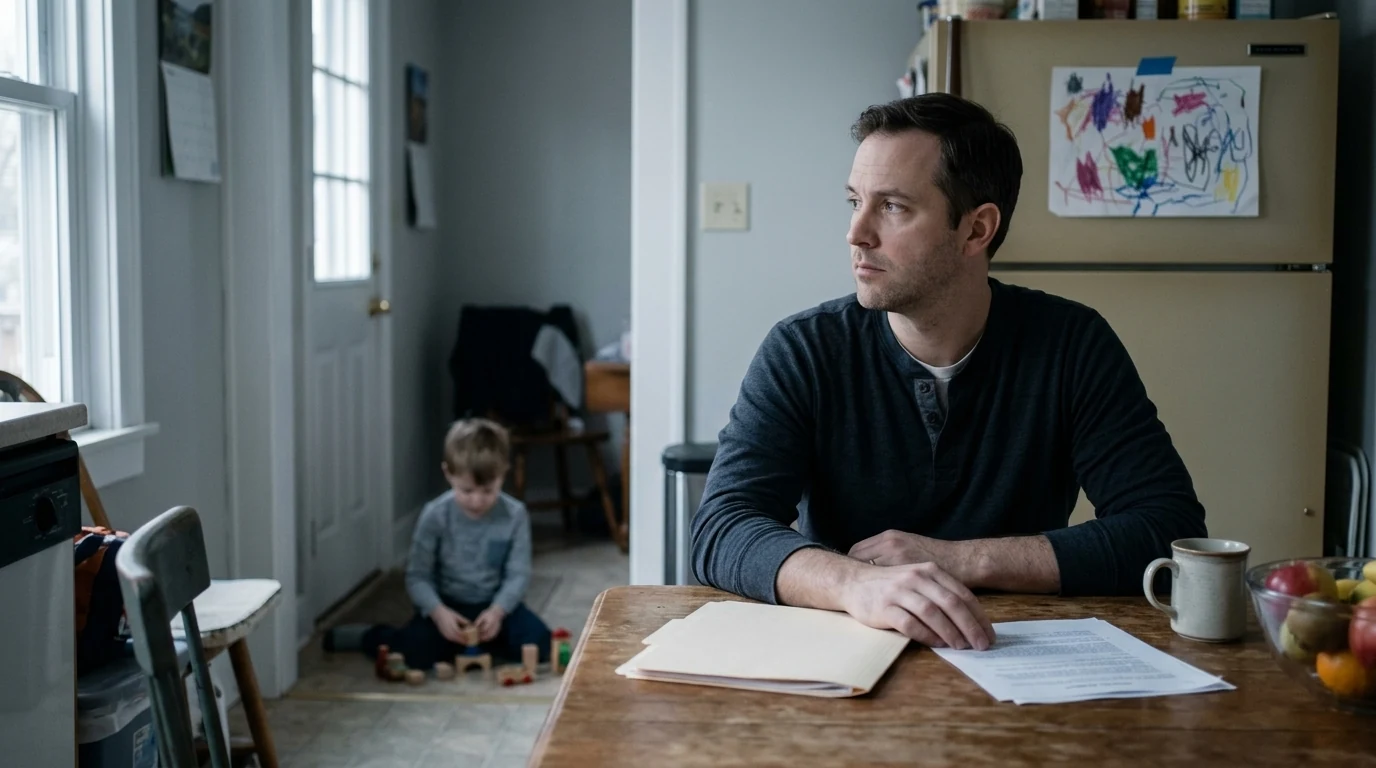
Saturday morning, kitchen floor. Your five-year-old has been screaming for eighteen minutes. The BT has the data sheet on her lap, the token board in her hand, and a small bag of preferred snacks at the ready. Your daughter wants none of it. She's wedged herself between the dishwasher and the counter, face down. You're standing in the doorway holding a coffee mug, wondering if you should call this off, intervene, or just disappear.
If you've had some version of this morning, you're not alone — and the BT didn't fail. Motivation in ABA isn't something a child either has or doesn't have. It's something in-home ABA therapy teams build, deliberately, over time. This article is about how that gets done: what actually motivates kids during sessions, why standard reinforcers stop working, and what parents can do to keep motivation alive between visits.
The first principle: pairing comes before everything
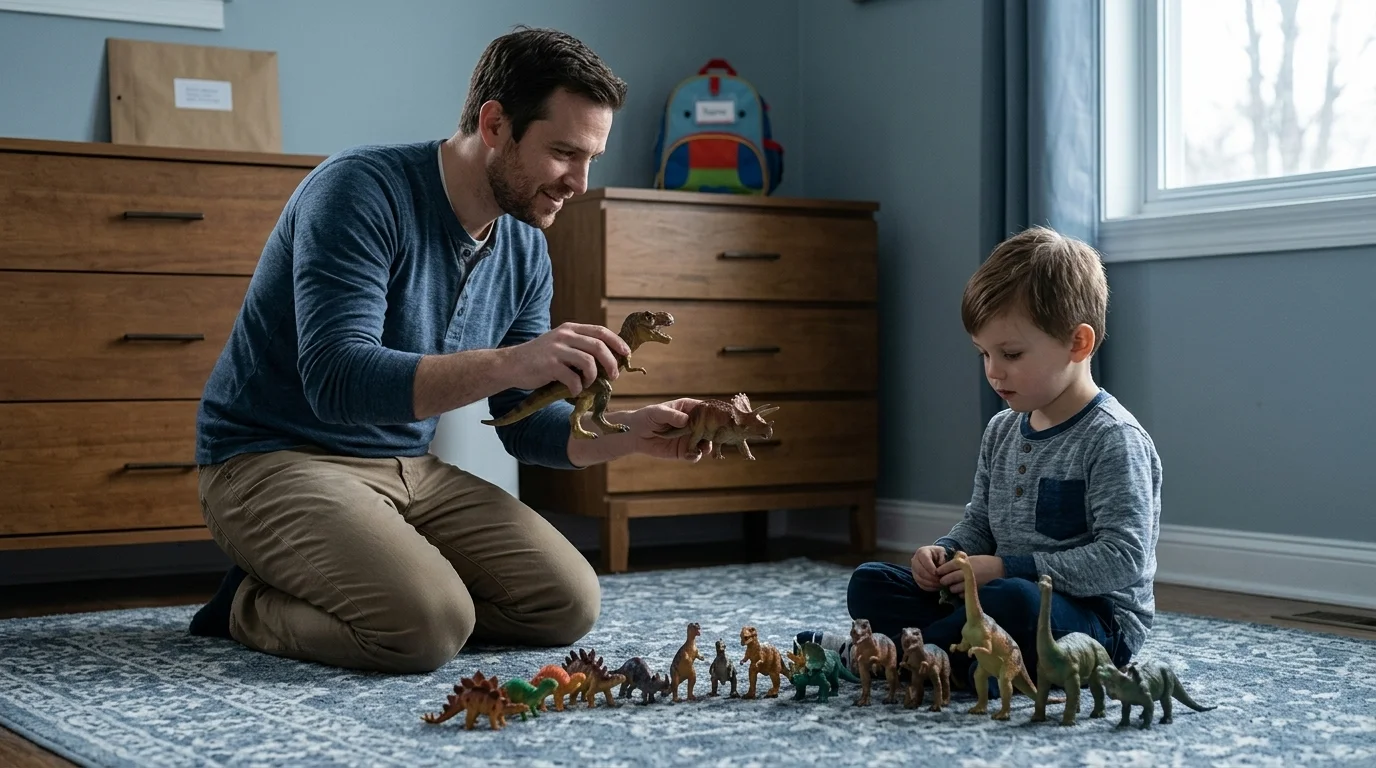
Before a single demand gets placed, before a token board comes out, before any "do this and you get that" exchange — there's pairing. Pairing is the foundational ABA practice of becoming associated with reinforcement before becoming associated with work. The BT shows up. They play. They hand over preferred items freely. They follow the child's lead. They make the session feel like the best part of the day.
This phase is supposed to last anywhere from a few sessions to a few weeks, depending on the child. Skipping pairing — going straight into demands — is one of the most common reasons motivation collapses early in a program. A child who associates the BT with work without first associating them with reinforcement has no reason to comply.
If you're watching your child resist sessions in week one or two, ask whether your BT and BCBA are still in the pairing phase. If they're not — and they should be — that's worth a conversation.
Reinforcement: the engine, not the gimmick
Reinforcement gets a bad reputation, partly because outsiders see it as bribery. It's not. Bribery is what you offer to stop a behavior in progress ("I'll give you the iPad if you stop screaming"). Reinforcement is what you provide after a behavior happens to make that behavior more likely next time.
For motivation to work, three things have to be true about the reinforcer:
It has to be valuable to your child right now. Not last month. Not what their cousin likes. What this specific child wants this week. Preferences shift fast — a toy that was magic in October might be invisible in December.
It has to be delivered fast. The behavior happens, the reinforcer follows within seconds. Delays of even thirty seconds can break the contingency, especially for younger kids or kids with weaker language.
It has to be controlled. If your child has free access to the iPad all weekend, the iPad isn't going to motivate work on Monday. This is one of the harder things for parents to sit with — but if a reinforcer is going to function as a reinforcer, it can't be freely available outside of session.
Motivative Operations: why "valuable" changes hour to hour
Here's a piece of ABA most parents don't get a clean explanation of: motivation isn't a fixed trait, even within a single day. The technical term is "motivative operations" (MOs) — events or conditions that temporarily change the value of a reinforcer.
An example. Your child loves Goldfish crackers. Goldfish are a reliable reinforcer at 10 a.m. Then they have a snack at 11. By 11:15, Goldfish are worthless — they're satiated. The reinforcer still exists, but its value has dropped.
The opposite is also true. A child who hasn't seen their favorite stuffed animal all morning will work hard for thirty seconds with it. Deprivation increases value. This is why thoughtful BCBAs build session structures with motivative operations in mind — they don't just pick reinforcers, they sequence access to them.
This is also why your BT might ask you to keep certain items "off limits" for a few hours before sessions. It's not arbitrary. They're working the math.
Choice as a motivator
One of the simplest motivation interventions in ABA is also one of the most underused: offering choices. Same target, two paths. "Do you want to do puzzles or matching first?" "Do you want to sit at the table or on the floor?" "Red marker or blue marker?"
The work doesn't change. The control over how the work happens does. For kids who resist demands, restoring some agency over irrelevant variables (which marker, which order, which chair) often unlocks compliance on the variable that actually matters (doing the task).
This is a small, free, repeatable strategy you can use at home too. Bath time isn't optional — but blue cup or green cup is.
The pacing problem
One of the most common reasons motivation drops mid-session has nothing to do with reinforcement and everything to do with pacing. A child who's done forty trials with no break is not lazy or oppositional — they're cooked. Good ABA programs build in:
High-probability sequences. Three or four easy, near-mastered tasks in a row to build momentum, then one harder task. The success rate stays high, the motivation stays high.
Behavioral momentum. Like the high-p sequence — riding the wave of compliance into harder work, while the child is still in the rhythm of saying yes.
Naturalistic breaks. Not just "you're done, here's a break" — but breaks woven into preferred activities. A two-minute trampoline break. A song. A short play burst. Then back to work.
If your child is consistently melting down twenty minutes into sessions, the pacing might be the problem. The fix is usually shorter work bouts, more frequent breaks, and a higher density of reinforcement — not pushing through.
What to do when nothing's working
Sometimes a session falls apart and no procedure rescues it. The reinforcer's not working. The pacing's off. The child is exhausted, sick, hungry, overstimulated, or just having a hard day. In those moments, the best move is usually:
Drop the demands. Go back to pairing. Hand over the preferred item. End the session early if the data is going to be unusable anyway. Ending on a calm note — even if very little teaching happened — preserves the relationship for tomorrow.
BCBAs sometimes call this "saving the session for next time." It feels like giving up. It isn't. A child who learns that hard sessions end in escalation will fight harder next session. A child who learns that hard sessions end calmly is more likely to come back ready.
How parents extend motivation between sessions
Most progress in ABA happens between sessions, not during them — which means motivation strategies that only live in the BT's hands won't go far. Parent training exists for exactly this reason: helping you carry the same principles into bath time, dinner time, and bedtime.
A few practical extensions families use successfully:
Match what's reinforcing. If your BT is using a specific Lego set as a session reinforcer, don't give your child unlimited access to it on weekends. The reinforcer needs to stay scarce enough to function.
Use the language your BT uses. "First, then" framing, specific praise ("nice talking!" instead of generic "good job"), the same prompt levels — consistency between session and non-session time accelerates learning.
Catch effort, not just outcomes. Praising the attempt — even a partial one — keeps motivation alive in a way that praising only success doesn't. A child who gets praise for trying is more likely to try again.
What practitioners notice over time
One pattern shows up across hundreds of cases: motivation issues in ABA are almost never about the child being "unmotivated." They're about a mismatch — wrong reinforcer, wrong pacing, wrong setting, wrong demand level for the moment. Kids who look unmotivated to one set of materials light up with another. Kids who refuse the kitchen table comply on the living room floor. The variable to change is rarely the child.
This reframes a lot of conversations parents have with us. "She's not motivated to do this" usually translates to "we haven't found what motivates her yet." That's a much more solvable problem.
Frequently Asked Questions
Pairing is the practice of associating yourself — or the therapy environment — with reinforcement before placing any demands. The BT shows up, plays, gives access to preferred items, and follows the child's lead, building a relationship where the child genuinely wants the BT around. Without pairing, demands placed too early can poison the relationship and collapse motivation. Pairing usually lasts anywhere from a few sessions to a few weeks, depending on the child.
Isn't using reinforcers just bribery?
No. Bribery is offering something to stop a behavior already in progress ("I'll give you candy if you stop screaming"). Reinforcement is providing something after a desired behavior happens to make that behavior more likely in the future ("good job sitting — here's a Goldfish"). The difference matters: bribery rewards problem behavior; reinforcement builds skills. Most adults work for paychecks — same principle.
Why does my child's reinforcer stop working?
Two main reasons. First, satiation — if your child has had a lot of access to the reinforcer recently, its value drops. Second, preference shifts — kids' interests change, sometimes weekly. The fix is regular reinforcer assessment (formal or informal) and limiting free access to high-value reinforcers outside of sessions. If the same three reinforcers are being used for months without rotation, motivation almost always declines.
What are motivative operations (MOs) in ABA?
Motivative operations are events or conditions that temporarily change how valuable a reinforcer is. Deprivation (not having access for a while) increases value. Satiation (just having a lot of it) decreases value. BCBAs use this principle to time when reinforcers are likely to motivate work — and parents can apply the same idea by limiting access to session reinforcers between sessions.
How can I help motivate my child during ABA at home?
Match the strategies your BT uses: keep session reinforcers scarce outside of sessions, use the same prompt language your BT uses, offer small choices ("blue cup or green cup") to give your child agency, and praise effort, not just outcomes. Parent training sessions with your BCBA are the best place to learn what specifically applies to your child.
What should we do when my child completely refuses a session?
End the session calmly, drop the demands, and return to pairing if needed. Pushing through full refusal usually makes the next session harder, not easier. Ending on a calm note — even with little teaching — preserves the relationship. Your BCBA will look at the data afterward to identify what changed and adjust the procedure for next time.
How long does it take to find what motivates a child in ABA?
It varies. For kids with clear preferences, the BT might lock in three or four reliable reinforcers in the first week. For kids with limited interests or sensory profiles that make reinforcement assessment harder, it can take a month or more — and reinforcers may need to be created (introducing new items, building preferences through exposure). The work doesn't stop after intake; reinforcer rotation is an ongoing part of every program.
Why Mastermind Behavior
Mastermind Behavior is a BCBA-owned and operated in-home ABA therapy provider serving families across New Jersey, Georgia, and North Carolina. Motivation work starts on day one for us — our Behavior Technicians spend real time pairing before placing demands, our BCBAs run regular reinforcer assessments, and we treat parent training as an essential part of the program rather than an add-on. With a 90%+ staff retention rate and no onboarding waitlist, most families begin direct services within six weeks of their initial assessment.
If you're exploring ABA therapy for your child, schedule a free consultation or call us at 732.813.7333. We'll walk you through what's possible and help you figure out the right next step — no pressure, no commitment.