The Role of Behavior Modification in Classroom Settings for Children with Autism
Enhancing Learning Environments for Autistic Children Through Strategic Behavior Support


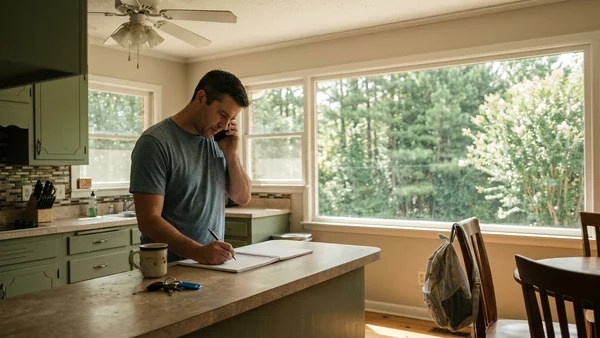
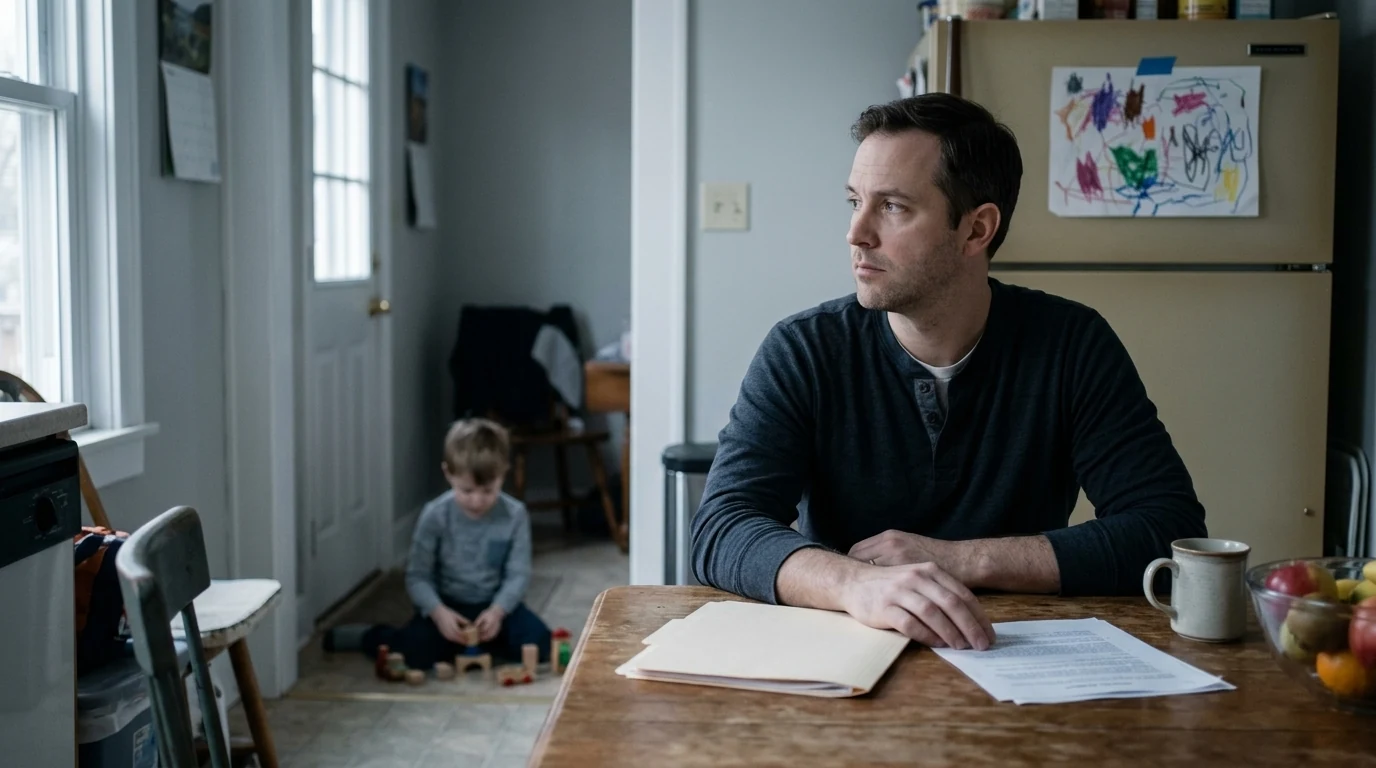
Your son's teacher emailed for the second time this week, and you have not opened it yet. You already know what it says. He bolted from the carpet during morning meeting. He flipped his chair. He refused to switch from the iPad to math. The pattern at school looks a lot like the pattern at home, only with thirty witnesses.
Behavior modification in the classroom is not a discipline strategy. It is a set of teaching tools, grounded in Applied Behavior Analysis (ABA), that help children with autism understand what is being asked of them and build the skills to follow through. The classroom version, visual schedules, structured transitions, sensory accommodations, predictable reinforcement, works best when it matches what is happening at home. This piece walks through what those tools actually look like and how to think about consistency across settings.
Fundamentals of Behavior Modification in Classroom Settings
Behavior modification is a teaching method, not a punishment method. It uses what learning theory has worked out about how behaviors are shaped, mostly by what happens right after them, to teach the skills a child needs and reduce the behaviors that get in the way. In a classroom with children on the autism spectrum, the day-to-day version of this is ABA: structured ways to teach social, communication, and self-regulation skills.
Visual supports do a lot of the heavy lifting. Schedules taped to the desk, picture cues for transitions, and timers that count down the last minute of an activity all help a child understand what is being asked and what comes next. In our practice, the kids who fall apart at transitions are almost always the ones who did not see the transition coming. Visuals fix that.
Positive reinforcement is the other backbone. Praising the specific thing the child did well, "you came to circle the first time I asked," and pairing that with a small reward, like a token toward a preferred activity, makes the behavior more likely to repeat. Clear, short instructions and social stories explain what the expected behavior looks like, which matters because "be good" tells a child nothing.
A predictable environment helps a child focus and learn. Visual timers, calming corners, and designated sensory spaces give the child somewhere to go before things spiral. Sensory accommodations, noise-canceling headphones, weighted lap pads, scheduled movement breaks, can quietly prevent meltdowns that the rest of the room never sees coming.
Individualization matters because two autistic kids in the same classroom often need very different supports. Working with a BCBA (Board Certified Behavior Analyst) helps the team build a plan that fits the specific child rather than a generic one. Done consistently, in a respectful, calm room, this approach lets children with autism build confidence, social skills, and independence.
Evidence-Based Strategies in Autism Education
Education that actually works for children with autism leans on research-supported methods. ABA is the main one. It targets specific skills and specific behaviors using positive reinforcement, and breaks big skills into small teachable steps so the child can succeed early and keep building. Discrete Trial Training (DTT) is the most structured version, useful for skills that benefit from repetition and clear feedback.
Naturalistic Developmental Behavioral Interventions, or NDBIs, like the Early Start Denver Model (ESDM), combine developmental thinking with behavioral methods. These are built around play and everyday routines, which makes the learning feel less like work and easier to carry over to real life.
Plans should be personalized. Individualized Instruction Plans (IIPs) target specific goals, strengths, and gaps so each child is working on what they actually need rather than a generic curriculum.
Implementation fidelity matters more than most people realize. If five different adults are running the plan five different ways, the child cannot learn from it. The BCBA's job is to make sure the plan is being run consistently and to track the data so the team can see what is working and adjust what is not.
Other practices with real research behind them include visual supports, social stories, social skills training, and parent-mediated interventions. Parents who are coached in how to reinforce the same goals at home see the gains stick. When the plan is personalized and applied consistently across school and home, kids with autism tend to learn faster, build more independence, and have fewer behaviors that get in the way of participating.
Application of ABA and Behavior Therapy Techniques in Classrooms
ABA shows up in classrooms as a mix of structured teaching moments and embedded learning during the regular day. Teachers and aides use a few methods regularly: Discrete Trial Teaching (DTT), Naturalistic Teaching, and Pivotal Response Treatment (PRT).
DTT breaks a skill into its smallest parts and teaches each one in short, repeated trials with immediate feedback. Naturalistic Teaching takes the same teaching logic but embeds it into what the child is already doing during the day, snack, recess, art, which helps the skill stick across settings. PRT focuses on motivation and social initiation, which is why it often works well for kids who do not start interactions on their own.
Reinforcement systems do the day-to-day motivating. Token economies, where the child earns tokens for specific behaviors and trades them in for a preferred activity, are common because they work for a wide range of ages. Picking the right reward is its own step, since what is motivating for one child often is not for another, which is why we cover the benefits of using preference assessments in therapy separately. Specific, descriptive praise, "you raised your hand and waited," works better than generic praise because the child knows exactly what to do again.
Data collection is the part that makes classroom ABA different from a "behavior plan" that is really just a teacher's instinct. The BCBA and the team track what works, what does not, and what is moving. Most classroom ABA today leans heavily on reinforcement rather than punishment, and that distinction matters; we walk through understanding the role of punishment in aba therapy for parents who want to know exactly where ethical ABA draws those lines.
Used together, these methods support learning, soften challenging behaviors, and build communication and social skills over time. Consistency and data-driven adjustment are what carry children forward.
The Effectiveness of Behavior Modification Interventions
The research on behavior modification, and ABA specifically, in school settings is consistent: when run well, these methods produce real gains in social skills, communication, and adaptive functioning for children with autism.
Studies using structured ABA programs in classrooms show meaningful progress in how kids engage with peers, follow routines, and manage the parts of the day that used to fall apart. Visual supports, predictable reinforcement schedules, and clear routines are common ingredients across the studies that show strong results.
Challenging behaviors tend to drop when these tools are in place. In our experience, most kids on a properly run plan see their first measurable shift between weeks four and six. The behaviors do not disappear, but they get less intense and less frequent, which lets the child do more of the actual learning the day is supposed to be about.
Beyond ABA, social stories, sensory-friendly modifications, and token systems also have research behind them. None of these is a stand-alone fix; they work in combination, matched to the specific child.
| Intervention Type | Main Focus | Evidence of Effectiveness | Additional Notes |
| Applied Behavior Analysis (ABA) | Behavior management and skill development | Widely supported by research; improves social, communicative, and adaptive skills | Often combined with visual aids and routines |
| Social Stories | Social understanding and navigation | Reduces social anxiety and improves peer interactions | Customizable for individual needs |
| Sensory Environment Adjustments | Comfort and self-regulation | Help decrease sensory overload and related behaviors | Includes noise-canceling headphones and sensory areas |
| Token Systems | Motivation and behavior reinforcement | Encourage positive behaviors and sustained engagement | Used effectively alongside behavior plans |
The short version: when these interventions are individualized and run consistently, the data shows real, lasting improvements in behavior and skill.
Practical Strategies for Educators Implementing Behavior Modification
In our practice, every behavior plan starts from the assumption that behavior is communication. A child kicking a chair during morning meeting is telling you something, that the transition is too fast, that the carpet is too loud, that the math worksheet is harder than the math worksheet looked. Effective classroom behavior modification does not start with a consequence. It starts with figuring out what the behavior is doing for the child and what skill is missing.
That work begins with a Functional Behavioral Assessment, an FBA, which is exactly what it sounds like: the team looks at what purpose, or function, a specific behavior is serving for your child. The FBA leads to a Behavior Intervention Plan (BIP) built around positive reinforcement for the behaviors you want to see more of. If the school is working a BIP and you want the same approach reinforced at home, you can get expert behavior support in your home through ABA therapy that runs alongside what the teacher is doing.
Visual supports do a lot of the daily work. Visual schedules, social stories, and clearly posted rules help children understand what is happening now, what is coming, and what is expected. These are not stickers on the wall; they are a child's read-on-demand version of the rules everyone else seems to know automatically.
Environmental adjustments help with sensory regulation. A designated calm space gives a child somewhere to go when the room gets too loud. Tools like noise-canceling headphones, fidgets, and scheduled movement breaks lower the sensory load enough that the child can actually access learning. Most kids on our caseload have at least one sensory accommodation in their plan that ends up being load-bearing.
Communication supports cut frustration. Augmentative and alternative communication (AAC) devices, picture cards, and simplified language give children a way to express what they need before the only available exit is a meltdown.
Tying lessons to a child's interests builds motivation. A child who loves trains learns faster when math problems involve trains. Movement breaks, sensory activities, and access to preferred items can be folded in as natural reinforcers throughout the day.
Peer relationships do not develop on their own for many children with autism. Buddy systems, structured small-group activities, and explicit teaching of social moves like turn-taking and sharing create chances to practice without leaving the child to figure it out alone.
Giving children real choices within set parameters, "do you want to start with reading or math?", reduces oppositional behaviors that are often about feeling powerless. Teaching self-regulation strategies, deep breathing, counting, using a calming card, gives the child tools to use before things escalate.
Consistent routines, clear expectations, and structured environments are not extras; they are the backbone. When the antecedent (what comes before a behavior) and the consequence (what follows it) are predictable, children with autism can anticipate what is coming, which lowers anxiety and reduces the behaviors that anxiety drives. Parents make or break that consistency, which is why our parent training coaches walk families through what the BT just did in session, so the strategy keeps running when the school day ends and the BT leaves.
Building a Supportive and Inclusive Classroom Environment
The point of behavior modification in classrooms is not to make children with autism easier for the adults. It is to teach them the skills to participate, and to set up rooms where participating is actually possible. The combination, evidence-based ABA, visual supports, structured routines, sensory accommodations, and real partnership with families, is what produces classrooms where kids on the spectrum can learn, build relationships, and grow up confident. The tools are well understood. What matters now is whether they get implemented consistently, and whether the same logic carries over to the rest of the child's day.
Why Mastermind Behavior
Mastermind Behavior is a BCBA-owned in-home ABA therapy provider serving families in New Jersey, Georgia, and North Carolina. The BCBA on your child's case writes the behavior plan, decides which tools (visual schedules, reinforcement systems, sensory accommodations) actually fit your child, and adjusts the plan as the data comes in. The Behavior Technicians (BTs) run the daily sessions in your kitchen and your living room and your front yard, because that is where your child actually has to use the skills. When a teacher reports that mornings at school are falling apart, the BCBA can build that classroom-style transition into your home plan, so the same prompts, the same visuals, and the same reinforcement work in both places. Our parent training coaches sit with you and walk through what the BT just did, so the strategy does not vanish the minute the BT leaves. We are insurance-based, have no onboarding waitlist right now, and most families start direct services within six weeks of the initial assessment.
If you are watching your child's classroom behavior unravel and the school's plan is not landing at home, that is a real thing and worth a conversation. Call us at 732.813.7333 or schedule a free consultation at mastermindbehavior.com/contact, and we will listen to what is actually happening before we talk about whether ABA fits.
References