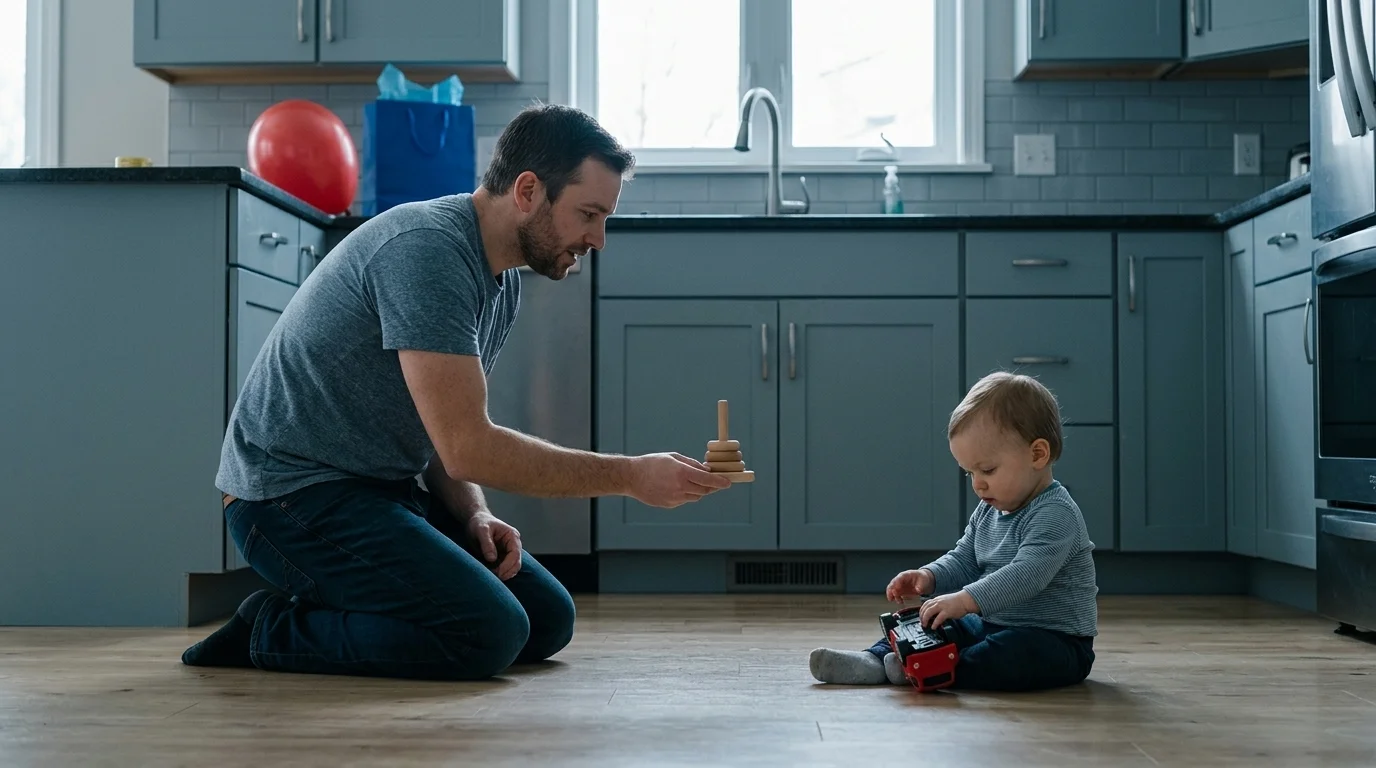
Helping Children with Autism Navigate Emotional Challenges
Supporting Emotional Growth in Autistic Children: Practical Strategies and Insights

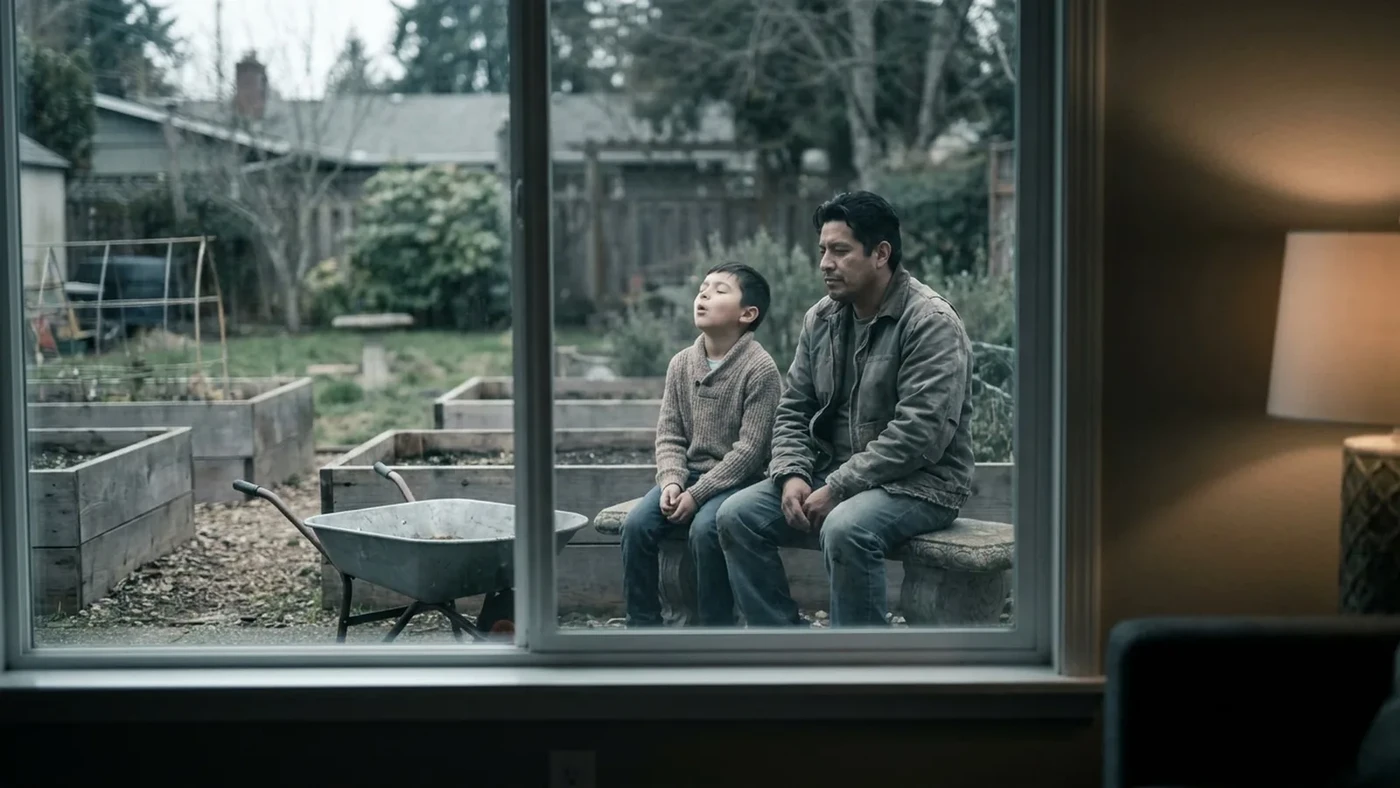
Your seven-year-old is on the kitchen floor again, and the sound coming out of him is one you do not have a word for. It started over a snack, or maybe the wrong cup, you are honestly not sure anymore. You have tried talking him through it, holding him, giving him space, and none of it has touched the wave he is riding. For a lot of children with autism, big emotions show up faster and hit harder than the people around them expect, and the usual calm-down tricks slide right off. This guide walks through why emotional regulation is genuinely harder for many children on the spectrum, what the early warning signs look like, and the practical, at-home strategies our BCBAs use to help kids build real coping skills, one situation at a time.
The Nature of Emotional Challenges in Children with Autism
Children with autism often confront a variety of emotional difficulties that can impact their daily lives and development. They may struggle to recognize, understand, and regulate their feelings, which can trigger frequent episodes of frustration, anxiety, and mood swings. These emotional issues are often linked to their unique ways of perceiving and interacting with the world.
Many children with autism display heightened emotional sensitivity. Changes in routine or sensory overload can quickly lead to emotional upset. To cope, they might adopt self-soothing behaviors like pacing, rocking, hand-flapping, or other repetitive movements, which help to calm their nervous systems. However, these behaviors can sometimes be misunderstood by others as defiance or maladjustment.
Internalizing problems such as anxiety and depression are also common. These conditions may go unnoticed initially but can significantly affect a child's mental health if unaddressed. Conversely, externalizing behaviors such as tantrums, aggressive outbursts, and hyperactivity are visible signs of emotional distress. These behaviors often serve as communication outlets when children find it hard to express their feelings verbally.
Various factors can worsen these emotional challenges. The severity of autism directly influences the extent of emotional difficulties. Children with higher sensory sensitivities might become overwhelmed more easily, while those facing social difficulties may feel isolated or frustrated. Environmental stressors, like chaotic settings or unpredictable routines, further increase emotional dysregulation.
Understanding these emotional challenges is crucial for providing effective support. Interventions such as therapy, behavioral strategies, and creating structured, predictable environments can help children learn better ways to manage their emotions. Parental coaching and social-emotional learning activities are also vital for fostering resilience and emotional well-being.
Core Factors Influencing Emotional Dysregulation in Autism
Underneath the visible emotions sit a few specific, well-documented differences in how children with autism process feelings. In our practice, naming these for parents takes a lot of the mystery out of what can look like behavior that comes from nowhere.
Inherent impairments related to emotion regulation in autism
Children with ASD often face inherent challenges such as alexithymia, which involves difficulty identifying and describing emotions. They may also have deficits in theory of mind, making it hard to understand others' emotions or intentions, and sensory sensitivities that can lead to heightened responses to sensory input.
These impairments hinder effective emotion regulation by skewing perception and emotional awareness. For example, sensory overload can trigger overwhelming feelings, while deficits in understanding social cues make it difficult to interpret emotional signals from others.
How these factors affect social understanding and emotional responses
When children focus on irrelevant details or misinterpret social cues, their ability to regulate emotions becomes even more compromised. They might fixate on specific objects or details instead of the social context, leading to frustration or withdrawal.
Misreading cues like facial expressions or tone of voice hampers their ability to respond appropriately. This can result in misunderstandings, social isolation, and emotional outbursts. Strengthening these foundations matters early, which is part of why we pay close attention to the role of joint attention in language and social skills development when we plan emotional regulation goals.
Recognizing these core factors is essential for developing targeted support strategies. Using visual aids, social stories, and structured routines can help children better grasp emotional and social cues.
| Factor | Description | Impact on Emotion Regulation |
| Alexithymia | Difficulty identifying and expressing feelings | Challenges in self-awareness lead to frustration and emotional outbursts |
| Theory of Mind Deficit | Difficulty understanding others' thoughts and feelings | Hinders social understanding, leading to misunderstandings and emotional distress |
| Sensory Sensitivities | Overload from sensory input | Triggers emotional overload and meltdowns |
| Focus on Wrong Information | Attending to irrelevant details | Disrupts appropriate emotional responses |
| Misinterpretation of Social Cues | Difficulty reading facial expressions, tone, or gestures | Leads to social confusion and emotional responses that worsen regulation |
Understanding these intertwined factors helps caregivers and professionals create effective strategies. Approaches that incorporate visual supports, sensory regulation techniques, and social skills training can significantly improve emotional regulation capacities in children with autism.
Assessment Challenges and Strategies for Evaluating Emotion Regulation
Children with autism often face significant hurdles when it comes to assessing their emotion regulation. These challenges stem largely from communication impairments that make self-reporting difficult or impossible. Many children may not use words to express their feelings, and existing assessment tools may lack validation specifically for this population, making it hard to accurately gauge how well a child can regulate emotions.
Furthermore, standard questionnaires and interviews often fall short because they do not capture the non-verbal signs of emotional distress or regulation struggles that are common in children with ASD. This creates a need for alternative assessment methods that are better suited to their unique ways of perceiving and interacting with the world.
How can observational methods and non-verbal strategies be useful?
To overcome these challenges, clinicians and caregivers frequently turn to observational methods. Watching children in different settings allows assessors to note behaviors indicative of emotional dysregulation, such as meltdowns, shutdowns, irritability, or difficulties during transitions.
Non-verbal strategies are also crucial. For example, visual aids like emotion scales, social stories, and video modeling can help children communicate their feelings indirectly. Tools like The Incredible Five Point Scale enable children to point to how they are feeling, making it easier to identify emotional states without relying solely on verbal communication.
Behavioral observations combined with these visual and sensory-based tools provide a more comprehensive understanding of a child's regulation abilities.
Why is identifying signs of emotional dysregulation important?
Recognizing the signs of emotional dysregulation in children with autism is essential for timely intervention. Common indicators include reactions such as intense emotional outbursts, mood swings, sudden withdrawal, aggression, or self-injurious behaviors. Additionally, physical symptoms like headaches or stomachaches, and changes in routines or social interactions, often signal underlying emotional challenges.
Early identification allows caregivers and professionals to implement strategies aimed at calming and supporting the child, such as calming spaces, sensory breaks, and teaching emotional coping skills. These efforts can help reduce the frequency and severity of meltdowns and promote better emotional resilience.
In summary, assessing emotion regulation in children with autism requires a combination of careful observation, tailored non-verbal tools, and an understanding of behavioral cues. Developing validated assessment strategies remains a priority for enhancing interventions and supporting children's emotional well-being.
Interventions and Therapeutic Approaches for Improving Emotional Regulation
Various therapeutic methods aim to help children with autism manage their emotions better. Among these, cognitive-behavioral therapy (CBT), mindfulness, and acceptance-based strategies are commonly employed.
CBT helps children identify and change negative thought patterns that influence emotional responses. Mindfulness encourages awareness of present feelings and body sensations, fostering self-control. Acceptance-based approaches teach children to accept difficult emotions without judgment, reducing their impact.
While these therapies show promise, their effectiveness varies among individuals. Some children may benefit significantly, while others might need additional support or tailored adaptations.
How effective are these therapies, and what are their limitations?
Although evidence suggests these approaches can improve emotional regulation, research specific to autism remains limited. Challenges include communication impairments that affect therapy delivery and the need for specialized, validated tools to measure progress.
Many existing therapies require consistent practice and adaptation to individual needs. For some children, therapy progress might be slower or require integration with other interventions like social skills training or sensory integration.
How do visual emotion scales help children with autism?
Tools like The Incredible Five Point Scale serve as visual aids to help children recognize and communicate their feelings. These scaled visuals depict different emotional states, providing a concrete way for non-verbal or semi-verbal children to express themselves.
Using visual emotion scales not only enhances emotional awareness but also teaches children appropriate ways to respond to various feelings, reducing frustration and behavioral outbursts.
Why is there a need for developing targeted interventions and better measurement tools?
Current understanding underscores the importance of designing specific programs that address the unique emotional regulation challenges faced by children with ASD. Developing validated, reliable measures can help evaluate intervention outcomes more accurately.
Efforts are underway to create tailored interventions based on individual strengths and needs, but more research is essential. The goal is to build a robust evidence base that guides clinicians and caregivers in supporting emotional resilience effectively.
| Approach | Description | Limitations |
| Cognitive-Behavioral Therapy | Identifies and modifies negative thought patterns | Requires communication skills, individual tailoring |
| Mindfulness and Acceptance | Promotes present-moment awareness and acceptance | Limited research specific to ASD |
| Visual Emotion Scales | Visual tools for emotion recognition and communication | Not a standalone solution, needs integration |
| Targeted Interventions | Customized programs based on individual needs | Development and validation are ongoing |
Fostering emotional regulation in children with autism involves combining these approaches to meet their unique needs, with continued research needed to refine and validate these techniques.
Practical Techniques for Managing Emotional Outbursts and Tantrums
Children with autism often experience emotional dysregulation, which can lead to challenging behaviors like tantrums and meltdowns. Employing specific strategies can help manage these episodes and create a more supportive environment.
One effective approach is to use timers and warnings to prepare children for transitions. For example, setting a visual timer and giving verbal warnings before an activity change can reduce anxiety and give children time to adjust. This helps decrease transitional tantrums and provides a sense of predictability.
Implementing visual or verbal first/then statements is another useful technique. Explaining what will happen first and what comes next helps children understand the sequence of events, fostering cooperation and reducing frustration. For instance, saying, "First you finish your snack, then it's playtime," provides structure and clarity.
Reward systems and positive reinforcement can encourage desirable behaviors. Specific praise, preferred activities, or tangible rewards motivate children to continue appropriate actions. Focusing on what you want the child to do, using positive language, can be more effective than highlighting avoidance of certain behaviors.
Remaining calm and modeling patience during emotional outbursts significantly impacts the child's response. When caregivers display calmness, it helps children feel more secure and learn to regulate their own emotions. Demonstrating patience also sets a respectful tone that promotes emotional regulation. In our practice, the first couple of weeks of teaching a calm-down routine usually look like nothing is landing, and then the shift tends to show up around the third or fourth week, once the routine is familiar enough for a child to reach for it mid-meltdown.
Creating structured routines and visual schedules supports children in understanding and anticipating daily activities. These visual tools can include pictures, symbols, or written plans that guide children through their day, reducing uncertainty and stress that often lead to emotional episodes.
Supporting children through grief and emotional distress involves similar principles. Using visual aids like social stories and visual schedules helps children understand and process their experiences. Routine maintenance, gentle explanations, and engaging them in comforting activities provide stability and emotional security.
Incorporating sensory calming techniques, such as deep-pressure input or a calm-down space, can help children self-regulate. Additionally, involving them in problem-solving and emotion recognition activities enhances their coping skills. Consistent, predictable environments coupled with empathetic communication foster resilience and emotional well-being. In our experience, this kind of structured, in-the-moment coaching is the core of good behavior support, where our BCBAs help children develop coping strategies in the exact rooms where the hard moments happen.
| Technique | Purpose | Example |
| Use of Timers and Warnings | Reduce transition anxiety | Set a visual timer; give warnings 5 minutes before change |
| First/Then Statements | Clarify sequence of events | "First shower, then storytime" |
| Positive Reinforcement | Encourage good behavior | Praising specific actions or giving rewards |
| Calm, Model Patience | De-escalate outbursts | Therapists or caregivers remain composed |
| Visual Schedules | Foster predictability | Picture-based daily routines |
By combining these approaches, caregivers can support children in managing their emotions more effectively, leading to fewer meltdowns and a more positive experience for everyone involved.
Supporting Emotional Development During Adolescence and Adulthood
As children with autism transition into adolescence and adulthood, providing tailored emotional support becomes increasingly important. Recognizing the unique needs of these age groups can significantly impact their well-being and integration into society.
A fundamental aspect is fostering social communication, building self-esteem, and developing resilience. Family-centered and community-based interventions play a vital role in this process. These strategies help individuals on the spectrum strengthen their social connections and navigate everyday expectations more effectively, which is closely tied to the importance of social interaction in building communication skills.
Programs that focus on social skills training, participation in peer support groups, and personalized approaches are particularly beneficial. Such methods promote emotional resilience by encouraging meaningful interactions and providing a sense of belonging.
Promoting autonomy is also crucial. Supporting independence, facilitating social inclusion, and actively working to reduce social isolation can enhance overall quality of life. Encouraging involvement in employment opportunities, community activities, and advocacy efforts empowers older teens and young adults to lead more fulfilling lives.
Effective emotional support involves training staff and caregivers to understand and accommodate the specific challenges faced by individuals on the spectrum. Including autistic advocates in program development ensures approaches are respectful and effective. The "being with" approach, emphasizing presence and understanding, aids in reducing masking behaviors and fostering authentic connections.
Addressing the diverse emotional needs of autistic adolescents and young adults includes managing independence while providing necessary support systems. Culturally adapted, low-cost programs that promote social inclusion and emotional regulation can be highly effective. Overall, a comprehensive, empathetic approach that emphasizes empowerment and acceptance leads to better mental health and life satisfaction.
| Strategy | Focus Area | Additional Details |
| Social skills training | Improving communication and social interaction | Focused on real-world scenarios and peer practice |
| Peer support groups | Building social networks and shared experiences | Offering safe spaces for sharing challenges and successes |
| Personalized approaches | Tailoring interventions to individual strengths | Incorporates preferences, sensory needs, and goals |
| Promoting autonomy | Supporting independence | Encourages decision-making and self-advocacy |
| Community involvement | Enhancing social inclusion | Participation in employment, hobbies, and civic activities |
Resources and Community Support for Building Resilience
Supporting emotional resilience in children with autism requires access to various community-based resources and approaches that cater specifically to their needs. Numerous organizations, such as the Autism Society and Autism Speaks, provide essential support, tools, and guidance for families and caregivers. These organizations offer resources like social stories, communication aids, and sensory-friendly checklists that can help children understand their environment better and manage their emotions.
Support groups, respite care services, and counseling are integral in creating a supportive community where families can share experiences, seek advice, and find emotional backing. These services help alleviate caregiver stress and promote a stable support system for the child.
Community programs that foster inclusion and understanding play a vital role in normalizing behaviors and encouraging positive social interactions. They often include activities, educational sessions, and awareness campaigns aimed at promoting acceptance of neurodiversity.
Addressing co-occurring issues such as trauma, gastrointestinal problems, or sensory sensitivities is also crucial as these can significantly influence emotional health. Specialized interventions and healthcare tailored to individual needs ensure a comprehensive approach to well-being.
Educational resources, training webinars for caregivers and teachers, and online platforms facilitate ongoing learning about anxiety management, calming techniques, and mental health conditions relevant to autism. These tools empower caregivers and educators to effectively support children through their emotional challenges.
In summary, a combination of evidence-based therapies, community support services, accessible health interventions, and educational initiatives creates a strong foundation for strengthening the emotional resilience of children with autism. Such integrated support helps children develop coping skills, fosters independence, and enhances their overall quality of life.
| Resource Type | Examples | Purpose |
| Organizations | Autism Society, Autism Speaks | Guidance, toolkits, crisis support |
| Communication Tools | Social stories, visual schedules | Understanding emotions and routines |
| Support Services | Support groups, respite care, counseling | Emotional support and caregiver relief |
| Community Programs | Inclusion activities, awareness campaigns | Social integration and acceptance |
| Healthcare Focus | Sensory checklists, trauma-informed care | Addressing co-occurring health issues |
Empowering and Supporting Through Knowledge and Community
Navigating the emotional landscape of children with autism requires a comprehensive understanding of their unique needs and challenges. Combining evidence-based therapies, practical strategies, and community resources can significantly enhance their ability to regulate emotions, cope with grief, and build resilience. Equally important is supporting parents and caregivers by providing education, emotional support, and avenues for respite and connection. Ultimately, fostering an environment of patience, understanding, and proactive intervention helps children with autism thrive emotionally, develop meaningful relationships, and reach their fullest potential.
Why Mastermind Behavior
Mastermind Behavior is a BCBA-owned and operated in-home ABA therapy provider serving families across New Jersey, Georgia, and North Carolina. Everything starts with a Board Certified Behavior Analyst (BCBA), who assesses your child, writes the plan, and adjusts it as your child grows. Behavior Technicians then run the day-to-day sessions right in your home, turning that plan into real practice during the exact moments it matters, like the snack that goes sideways or the transition that always ends in tears. When the work is about emotional regulation, our BCBAs build coping routines around your child's actual triggers and then coach you to use the same words and the same steps once the session ends, so the calm-down skills do not disappear when the therapist drives away. Because big emotions rarely keep to a schedule, a lot of our parent coaching focuses on the ninety seconds before a meltdown tips over, not just the cleanup afterward. With a 90%+ staff retention rate and no onboarding waitlist, most families begin direct services within six weeks of their initial assessment.
If your child's hardest moments are the emotional ones, we will listen to what those moments actually look like in your home before we suggest a single strategy. Schedule a free consultation at mastermindbehavior.com/contact or call us at 732.813.7333, and we will walk you through what in-home support could look like, with no pressure and no commitment.
References