Does Autism Influence Life Span?
Discover how autism affects life span and the factors that influence longevity and health outcomes.


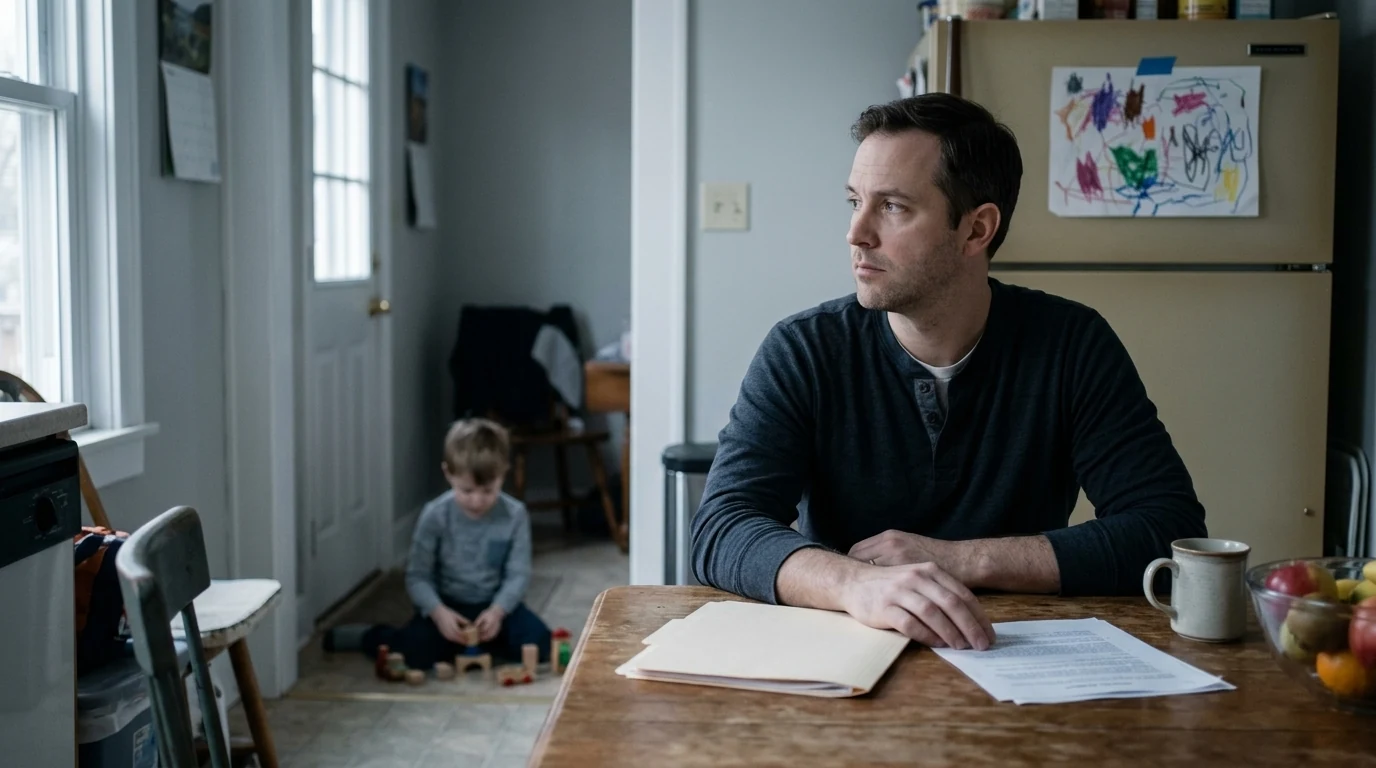
The thought you keep having, the one you have not really said out loud, is what your child's life will look like at 30, 40, 60. You have heard troubling numbers in passing. You may have read a headline that landed harder than you wanted it to.
The honest summary of the research is more nuanced than the worst-case version. Average life expectancy for adults with autism is reduced compared with the general population, but the gap is shaped by specific, addressable factors: co-occurring medical conditions, daily-living skills, social and family connection, and access to consistent healthcare. None of those is fixed. Most are exactly what good early support is designed to influence.
This article walks through what the studies actually find and where the leverage is. The short version: your child's trajectory is not set by the diagnosis. It is shaped by what gets built around it.
Understanding Autism Life Expectancy
Estimates of life expectancy in autism vary based on which population the study examined and which factors were controlled. The widely circulated figure of around 39 years comes from earlier studies that primarily included individuals with significant intellectual disability and complex medical needs [1]. More recent UK research that separates autism with and without a co-occurring learning disability paints a different picture: estimated life expectancy of around 76.8 years for autistic women and 74.6 years for autistic men without a learning disability, and around 69.6 and 71.7 years respectively for those with one [2].
| Group | Estimated Life Expectancy |
|---|---|
| Autistic women, no learning disability | 76.8 years |
| Autistic men, no learning disability | 74.6 years |
| Autistic women with a learning disability | 69.6 years |
| Autistic men with a learning disability | 71.7 years |
| UK general population, women | 83 years |
| UK general population, men | 80 years |
The point is not that any single number is right. The point is that the population is heterogeneous, and the factors driving the differences are the ones that show up over and over: co-occurring health conditions, support for daily living, access to healthcare.
Factors Influencing Mortality
Research consistently identifies a roughly doubled mortality risk for autistic individuals compared with the general population, with the largest contribution coming from a handful of specific factors [3]:
- Co-occurring medical conditions. Epilepsy, gastrointestinal disorders, sleep disruption, and adjustment-related health issues appear at higher rates in autism than in the general population. ADHD also co-occurs frequently and is itself associated with elevated mortality, particularly from unintentional injuries.
- Socioeconomic factors. Lower-income and uninsured families report substantial barriers to ongoing healthcare for autistic children, which compounds over the life course [4].
- Support and intervention. Access to evidence-based behavioral support, educational services, and adult care influences functional independence, healthcare engagement, and ultimately health outcomes. The presence or absence of consistent support is one of the more modifiable variables on the list.
The pattern most families want to take from this is the practical one. Early, consistent support that builds life skills (communication, self-care, safety awareness, navigating healthcare appointments) does meaningful work over time. In our practice, the skills our BCBAs teach in the first few years of programming are often the skills that protect children years later, after the family is no longer in active services.
Predictors of Mortality in Autism
Studies that follow autistic individuals over decades have identified two predictors of mortality that stand out: social-skills impairment and difficulty with activities of daily living. Neither is a destiny. Both are exactly what structured early intervention targets.
Social Skills Impairments
Difficulty with social reciprocity (turn-taking, joint attention, reading and responding to social cues) is observable in early childhood and predicts health-related outcomes decades into adulthood. The mechanism is not mysterious. Social connection sits underneath a lot of health-protective behavior: maintaining relationships, asking for help, understanding and reporting symptoms, navigating healthcare interactions, building a network that notices when something is wrong.
A 20-year follow-up study found that early social-reciprocity impairment was a significant predictor of mortality in adulthood [5]. That finding is one of the strongest arguments for starting communication and social-skills work early, building it consistently, and continuing to support it into adolescence and adulthood.
| Predictor of Mortality | Impact Level |
|---|---|
| Social reciprocity impairment | High |
| Communication difficulties | Medium to high |
| Difficulty interpreting social cues | Medium |
Activities of Daily Living
The second strong predictor is independence in activities of daily living: dressing, hygiene, food preparation, medication management, navigating a healthcare appointment, recognizing and reporting illness. Limited independence in these domains is associated with poorer health outcomes and higher mortality risk, especially when paired with overall health status that is already fair or poor.
The same 20-year study found that adults with autism who were in fair or poor health at the study's start had a 46% higher risk of mortality during the follow-up window than those in excellent health [6]. The takeaway for parents of young children is that daily-living skills are not just convenience. They are protective.
| Activity of Daily Living | Impact on Outcomes |
|---|---|
| Independence in daily tasks | High |
| Overall health status | Very high |
| Healthcare engagement | High |
Gender Disparities in Autism Mortality
The data show meaningful gender differences in mortality among autistic individuals. Females, particularly those with intellectual or learning disabilities, appear to face elevated risk, partly tied to health-condition co-occurrence and partly to disparities in care access.
Risk Factors for Females
Research suggests that low-functioning autistic females face a higher mortality risk than comparable males, with the difference largely attributable to co-occurring health issues [1]. Care-access disparities compound the effect. Families with lower income report poorer access to consistent healthcare, and that pattern affects female autistic individuals as much or more than males [4].
| Risk Factor | Description |
|---|---|
| Low functional independence | Higher mortality risk tied to health complications |
| Social and care disparities | Health and access barriers compound over time |
| Co-occurring conditions | Higher prevalence of conditions that affect long-term health |
Impact on Life Expectancy
UK estimates suggest autistic women without a learning disability have a life expectancy of around 76.8 years, while autistic men without a learning disability are at around 74.6 years. For those with a learning disability, the figures drop to around 69.6 years for women and 71.7 years for men [2]. The gap is meaningful and points to the same set of modifiable factors: healthcare access, daily-living independence, and consistent support for adjustment-related conditions.
Health Disparities and Risk Factors
Health disparities sit at the intersection of two things: a higher rate of co-occurring medical conditions in autism, and uneven access to the care that manages them. Both can be addressed, and addressing them is where most of the practical leverage on life expectancy actually sits.
Co-occurring Medical Conditions
Autistic individuals experience certain medical conditions at higher rates than the general population. Common co-occurring conditions include:
| Co-occurring Medical Condition | Estimated Prevalence in Autism |
|---|---|
| Epilepsy | 20 to 30% |
| Gastrointestinal disorders | 30 to 50% |
| Sleep disruption | 40 to 80% |
Each of these conditions, on its own, is manageable with good clinical care. The challenge in autism is that the combined load of co-occurring conditions can be substantial, and the path to good care is often harder to navigate when communication is a challenge or when daily-living independence is limited. The protective skills that ABA programs build (communicating about pain, tolerating medical appointments, taking medications consistently, following dental and hygiene routines) compound steadily over the years and meaningfully change the picture by adulthood.
Impact of Socioeconomic Factors
Families with lower income and limited insurance coverage report consistent barriers to ongoing healthcare for autistic children, including access to specialists, behavioral support, and dental and vision care. Across studies, this is one of the strongest predictors of long-term health disparity in autism [4]. The mortality gap closes substantially when access closes.
Adults with autism also face employment and social-integration challenges that affect both income and health-engagement habits. The protective factor here is again upstream: building the daily-living and self-advocacy skills in childhood that make adult life more navigable.
| Risk Condition | Risk Ratio (RR) vs. General Population |
|---|---|
| Autism Spectrum Disorder (California study) | 2.4 |
| Attention-Deficit/Hyperactivity Disorder (Sweden study) | 3.94 |
Common Health Profile and Outcomes
When researchers examine causes of death in autistic adults, certain patterns recur. Respiratory conditions, cardiac events, and seizure-related events account for a meaningful share, alongside complications of co-occurring conditions and medication-related events [7].
| Cause of Death (autistic adults) | Approximate Share |
|---|---|
| Respiratory conditions | About 25% |
| Cardiac events | About 20% |
| Seizure-related events | About 15% |
| Other health complications | About 40% |
The list does not name new risks unique to autism. Each of these is a recognized clinical condition with well-understood prevention and management pathways. The question is whether autistic adults reach the care that manages them. That is a function of childhood and adolescent support, family advocacy, and the kind of habit infrastructure (regular checkups, medication routines, recognized symptom reporting) that is built early.
For families, this is the leverage point. Early intervention works on exactly these foundations. The impact of positive reinforcement on long-term behavior change describes how skills built in childhood show up in adulthood when reinforcement is consistent and well-designed. Our BCBAs use motivating operations in ABA to time and shape the conditions under which a child is most likely to engage with new skills (including the daily-living skills that protect health later).
Improving Life Expectancy in Autism
The factors that compress life expectancy in autism are real, and they are also addressable. Most of them sit in the same place: skills, supports, and access that build over years.
Supportive Interventions
Early diagnosis and access to consistent intervention are associated with better long-term outcomes across a wide range of measures. Evidence-based programs, particularly Applied Behavior Analysis (ABA) therapy, focus on the skills that have the highest leverage on long-term life: communication, social reciprocity, daily-living independence, and self-regulation. These are the same skills that the longitudinal mortality research keeps pointing back to as protective.
| Intervention Type | What It Does | Why It Matters Long Term |
|---|---|---|
| Early diagnosis | Identifies autism in the first years | Enables early access to support services |
| ABA therapy | Builds communication, social, and self-care skills | Strengthens the skill profile associated with better adult health |
| Educational and vocational support | Tailored learning and work-skill programs | Supports adult independence and self-advocacy |
Enhancing Quality of Life
Better long-term outcomes do not come from any single program. They come from a stack of supports: consistent healthcare, social and community connection, daily-living independence, and supportive education and employment pathways. Each layer builds on the one below it.
| Quality-of-Life Factor | What Helps | Outcome |
|---|---|---|
| Healthcare access | Consistent primary care, preventive screening, accommodation for autistic patients | Better management of co-occurring conditions |
| Social inclusion | Community programs, supported friendships, peer connection | Reduced isolation and stronger health-protective behavior |
| Ongoing support | Continued behavioral, mental-health, and family support across the life span | Resilience through transitions |
The research that worries parents is the same research that points to where the work pays off. The patterns of difficulty are visible early, which means the support that addresses them can also start early. For more on intervention pathways, see our articles on autism life skills and high functioning autism life span.
Why Mastermind Behavior
Mastermind Behavior is a BCBA-owned and operated provider of in-home ABA therapy for children with autism across New Jersey, Georgia, and North Carolina. Our BCBAs design programs that focus on the skills that protect children over the long term: communication, daily-living independence, self-regulation, and the ability to navigate healthcare, school, and community life with growing confidence. Our Behavior Technicians run sessions in your home, which is where most of those skills have to land to last. Our parent training coaches help families carry the work forward across the years, so a routine that starts in a therapy session becomes the way your child gets through a doctor's appointment, a dentist visit, or a hard day at school. Start your child's ABA journey with early intervention if you are weighing where to begin. With a 90%+ staff retention rate and no onboarding waitlist, most families begin direct services within six weeks of their initial assessment.
If you are sitting with hard questions about your child's future and want to talk through what early, consistent support could do, schedule a free consultation or call us at 732.813.7333. We'll talk through what your child's daily challenges look like and where the most useful work could start.
References
[1]: Mortality in autism (PMC)
[3]: Mortality risk in autism and ADHD (JAMA Pediatrics)
[4]: Socioeconomic disparities and autism (PMC)
[5]: Early predictors of mortality in autism: 20-year follow-up (PMC)
[6]: Health status, daily living, and mortality in autism (PMC)
[7]: Addressing health outcomes and mortality in autism (Thinking Autism)