Coping with Autism Noise Sensitivity Challenges
Explore autism noise sensitivity, its causes, effects, and effective management strategies for a better life.

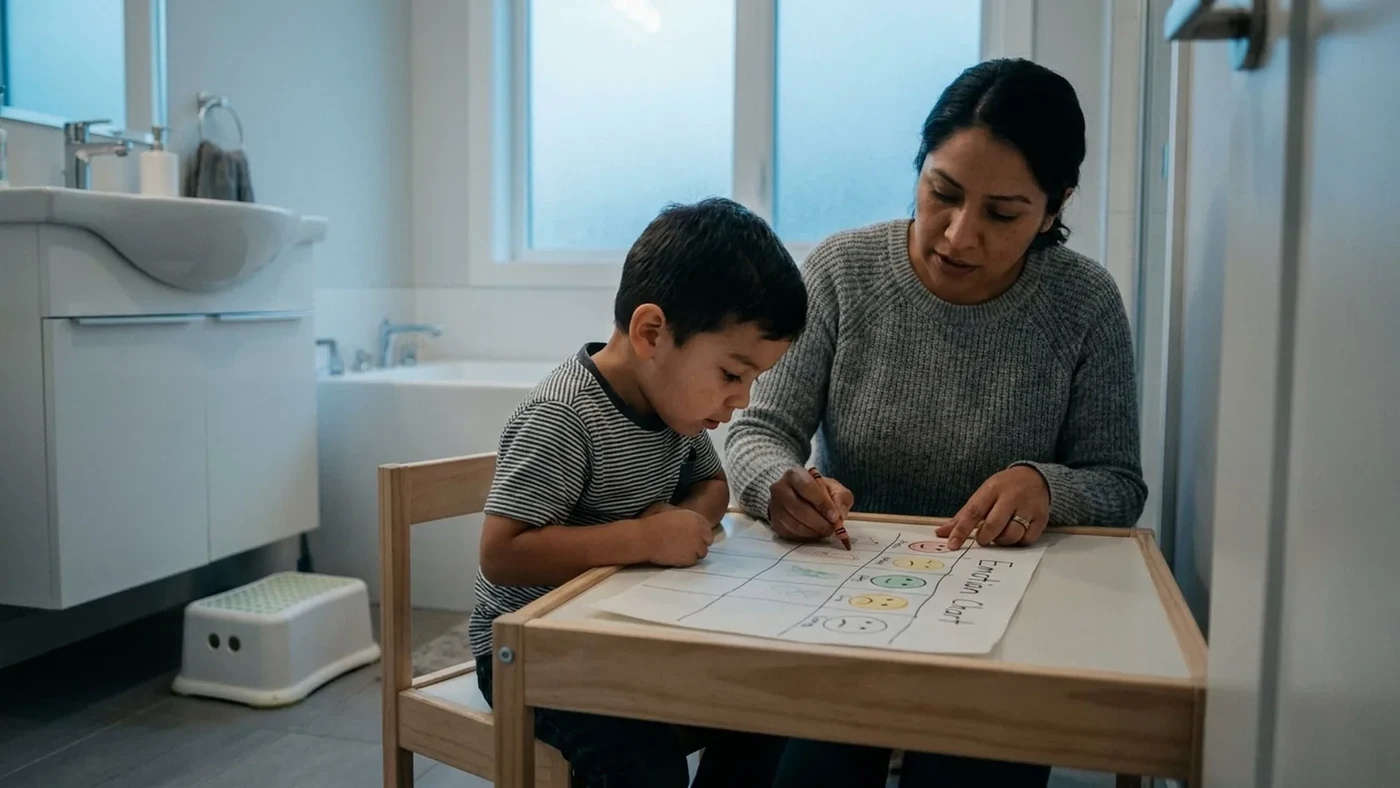
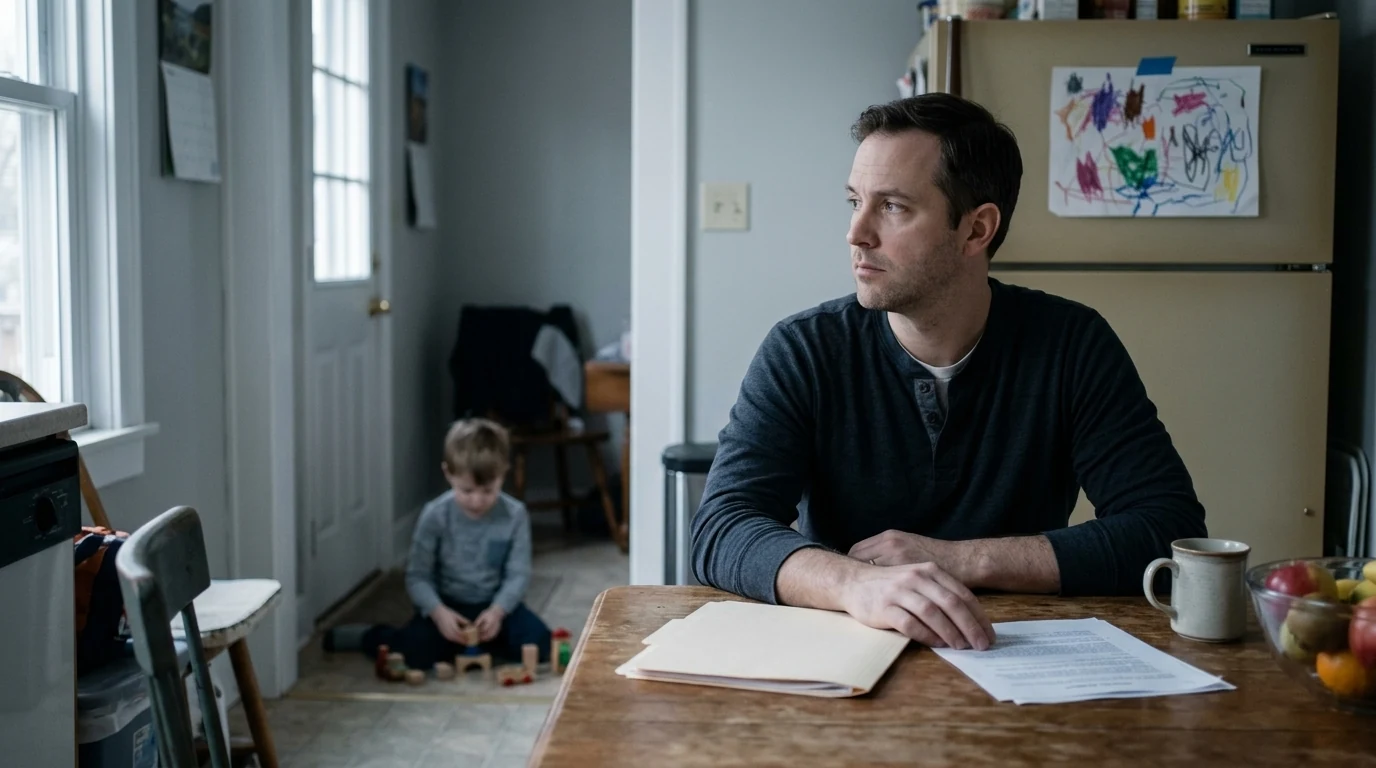
There's a birthday party on Saturday, and you already know how it goes. Your five-year-old will make it about ten minutes, until the singing starts and the room gets loud, and then his hands go over his ears and he's done. So you'll leave early again, or you won't go at all. Noise sensitivity isn't your son being difficult or antisocial. For many children with autism, ordinary sound lands harder, sometimes painfully so, and a noisy room can flip from fine to unbearable in seconds. This guide walks through what autism noise sensitivity is, why it happens, and the practical strategies, including ones you can build at home, that help a child stay in the room a little longer each time.
Understanding Noise Sensitivity
Noise sensitivity refers to a heightened awareness of and reaction to sound. For a child with autism, this can mean overwhelming responses to noises that others barely register. The impact is real, often showing up as distress, anxiety, and difficulty in social settings, classrooms, and other busy environments. According to Psych Central, close to 90% of people with autism experience some form of sensory hypersensitivity or hyposensitivity, including sensitivity to sound.
| Impact Area | Description |
| Emotional distress | Increased anxiety or panic when exposed to loud noises |
| Social challenges | Difficulty engaging in social interactions or activities |
| Educational obstacles | Trouble concentrating in noisy environments, like classrooms |
Prevalence in Autism
Sound sensitivity is well documented across the autism community, and many children with autism report experiencing it to varying degrees. Understanding how common it is helps caregivers and educators build environments that accommodate it rather than fight it.
| Sensory Sensitivity Type | Prevalence |
| Hypersensitivity to sound | Around 90% |
| Hyposensitivity to sound | Variable (figures differ by study) |
Common strategies for managing autism noise sensitivity include creating quiet spaces and using noise-canceling headphones, both of which can improve a child's ability to take part in community, home, and school activities. Tailored support matters here, because the right plan can meaningfully improve day-to-day quality of life.
Causes of Noise Sensitivity
Understanding what drives noise sensitivity helps you respond to it well. Two factors stand out: neurological differences and variations in sensory processing.
Neurological Differences
Children with autism often experience heightened sound sensitivity because their brains process auditory input differently. Research suggests that certain regions, such as the amygdala and the sensory-processing parts of the cortex, show stronger activity in response to sound. That can make it harder to filter out background noise, which makes a busy environment exhausting to navigate.
| Brain Region | Function | Effect in Autism |
| Amygdala | Emotion regulation and response to stimuli | Increased reactivity to sounds |
| Sensory-processing cortices | Integration of sensory information | Heightened sensitivity and processing differences |
Because of these differences, a child with autism can feel real discomfort from sounds that others find easy to ignore.
Sensory Processing Variations
How a child processes sensory input shapes their experience of noise. Sound sensitivity is common, but the specific sounds that feel unbearable vary from child to child. One may find everyday environmental noise overwhelming while another barely notices it, which points to different sensory-processing styles across the autism community.
A child who can't filter out irrelevant noise gets distracted and uncomfortable fast, and that overload can spill into other behaviors. In our practice, this is the part worth slowing down on: the ear-covering, the bolting, the meltdown, these are usually the response to overload, not the problem itself. Once you see the noise as the trigger, the plan starts to take shape.
| Sensory Processing Aspect | Description | Potential Challenges |
| Filtering noise | Difficulty ignoring background sounds | Overstimulation and stress |
| Response to sound | Varied reaction to different sounds | Anxiety, meltdowns, or withdrawal |
Effects of Noise Sensitivity
Noise sensitivity can shape both behavior and daily life. Knowing what to look for makes it easier to support a child.
Behavioral Responses
Children with autism often have distinctive reactions to overwhelming sound, and these vary with the intensity of the noise and the child's tolerance.
| Response Type | Description |
| Covering ears | Protecting ears from loud sounds |
| Withdrawal | Seeking quiet and pulling back from social interaction |
| Meltdowns | Intense emotional outbursts driven by overwhelming noise |
| Restlessness | Difficulty focusing or calming down |
Daily Challenges
Noise sensitivity can shrink a family's world fast, turning ordinary outings into events to manage or avoid.
| Challenge Type | Description |
| Public places | Overwhelming environments make participation hard |
| Social gatherings | Noise makes events difficult to manage |
| Educational settings | Hard to focus in a noisy classroom |
| Communication | Auditory distraction interferes with interaction |
Recognizing these challenges is what makes tailored coping strategies possible.
Managing Noise Sensitivity
There are several effective ways to manage noise sensitivity, and the strongest plans usually combine more than one. Below are the approaches families ask about most, along with where in-home ABA therapy fits in.
In our practice, behavior support starts with the function: what is the loud environment doing to your child, and what can they learn to do instead of melting down or running? That often means teaching a calm way to ask for a break and slowly, predictably building tolerance to the sounds that matter most. Teaching that break request is a textbook example of how functional communication training reduces problem behaviors, giving a child a workable way to say "this is too much" before it becomes a meltdown. If sound is disrupting daily life, you can address sensory needs with in-home ABA support built around your child's real routine.
Cognitive Behavioral Therapy
Cognitive Behavioral Therapy (CBT) is a recognized approach for managing anxiety and reactivity in children with autism. Through CBT, a child can build healthier coping strategies for tough situations, including the ones tied to noise.
| Benefit | Description |
| Identifying triggers | Recognize the specific sounds that set things off |
| Reframing thoughts | Shift the perception of sounds that cause distress |
| Coping mechanisms | Learn techniques to lower anxiety and stress |
Quiet Spaces, Distractions, and Noise-Cancelling Strategies
Practical, environmental strategies can take a lot of the pressure off. A designated quiet space gives a child somewhere to retreat and regroup when sound becomes too much, and noise-cancelling headphones or earplugs can blunt the worst of it. Planning around noise helps too: visiting new places at quieter times, and steering clear of the loudest environments until a child has more tools to handle them. Engaging activities and hobbies can also give a child something to focus on that competes with the noise.
| Strategy | Description |
| Designated quiet spaces | Safe areas to retreat to during overwhelming noise |
| Earplugs or noise-cancelling headphones | Block out unwanted sound |
| Visiting new places at quiet times | Minimize noise exposure during outings |
| Engaging activities | Hobbies that provide focus and a distraction from noise |
These environmental strategies pair naturally with skill-building. Structured skill development gives a child low-pressure practice at using the quiet-space routine and the break request on their own, so the tools hold up when you're not the one prompting them.
Occupational Therapy Approaches
Occupational therapy (OT) can offer tailored strategies for managing noise sensitivity. Professionals trained in sensory processing can recommend specific interventions to ease discomfort in loud environments, and many families use OT alongside behavioral support for a fuller picture. The American Speech-Language-Hearing Association also emphasizes the value of quiet spaces for managing sound sensitivity.
Scientific Insights
Understanding the biology behind autism noise sensitivity helps families, educators, and providers respond to it with more confidence.
Brain Responses to Sound
Research suggests that the brains of children with autism respond differently to sound than those of neurotypical children. Studies using brain imaging have found greater activity in regions such as the amygdala and the sensory-processing cortices when children with autism are exposed to sounds like traffic noise or scratchy fabric.
| Study Focus | Findings |
| Brain activity | Greater activation in the amygdala and sensory-processing regions when children with autism are exposed to specific sounds |
| Sound processing | Differences in auditory processing, with certain regions showing increased activity in response to sound |
| Imaging techniques | EEG and fMRI reveal varied brain responses to sound between children with autism and typically developing children |
Sensory Symptom Measurement
To study and quantify noise sensitivity, researchers use a range of measurement techniques that capture how a child reacts to sound.
| Measurement Technique | Purpose |
| Surveys | Gather reports from children and caregivers about sensory sensitivities |
| Skin conductance tests | Measure nervous-system responses to sound, indicating emotional arousal |
| Hearing exams | Evaluate auditory ability and sensitivity |
| EEG | Record the brain's electrical activity in response to sound |
| Brain scans (fMRI) | Visualize brain responses to different sounds |
Research suggests that children with autism can show stronger automatic, bodily reactions to noise than typically developing children, which may help explain the bigger behavioral responses. These insights give families and professionals a firmer footing for building strategies that actually fit a child's needs. Tools like storytelling can also support the communication side of this work, as covered in the impact of storytelling on language development.
Why Mastermind Behavior
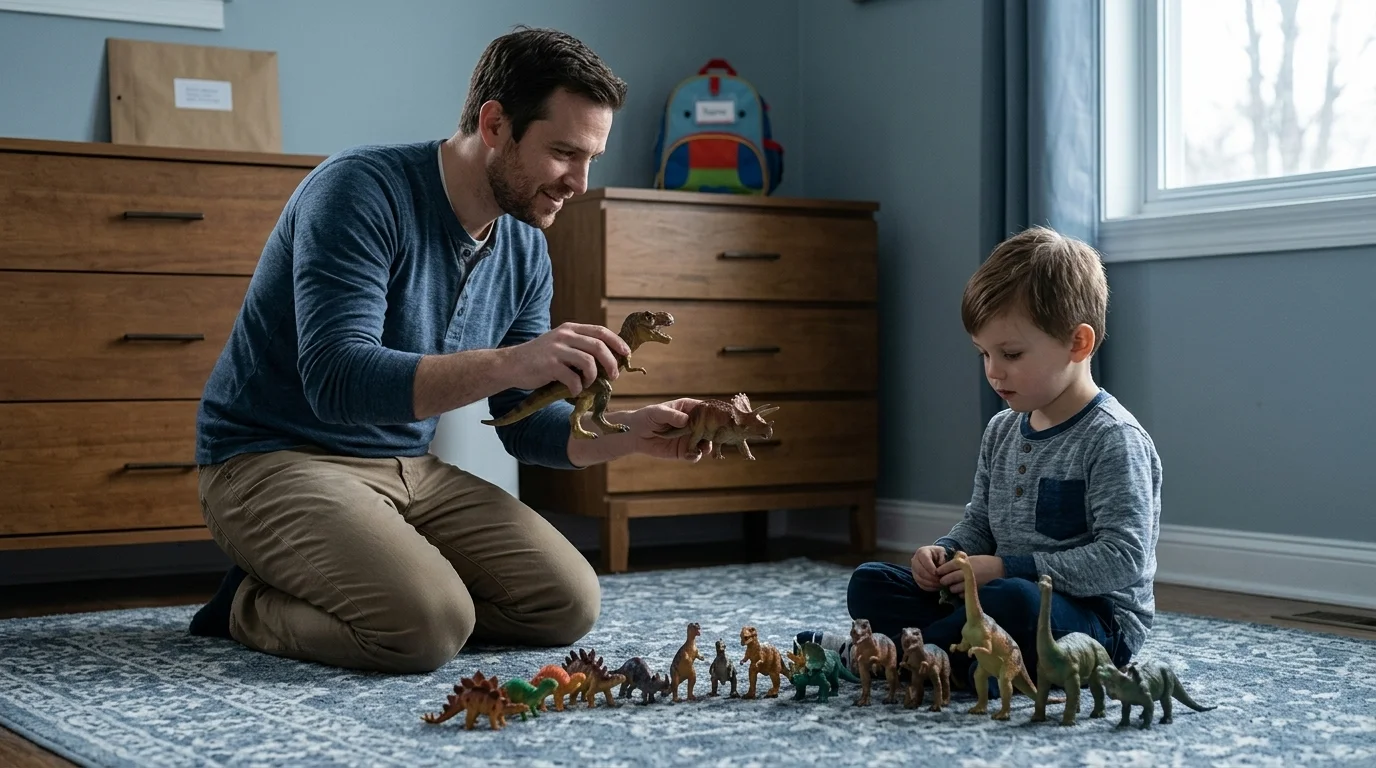
Mastermind Behavior is a BCBA-owned and operated in-home ABA therapy provider for children with autism across New Jersey, Georgia, and North Carolina. Each plan is built by a Board Certified Behavior Analyst (BCBA), who figures out which sounds are hardest for your child, why a given noise tips into a meltdown, and how to build tolerance in steps small enough to actually work. Our Behavior Technicians carry that plan into the rooms where it matters, the kitchen during dinner prep, the living room with the TV on, the car with its clicking turn signal, so the practice happens in real life and not in a soundproof office. For a child who covers his ears and bolts at the first loud sound, that usually means teaching a calm way to ask for a break and pairing it with gradual, predictable exposure, so the world gets a little less loud over time. Parent training coaches hand you the same strategies, so the quiet-space routine and the break request work whether or not a therapist is standing there. With a 90%+ staff retention rate and no onboarding waitlist, most families begin direct services within about six weeks of their initial assessment.
If you've been planning your family's whole week around which places will be too loud, we can help you shrink that list. Schedule a free consultation or call us at 732.813.7333. We'll listen to what sets your child off and map out a realistic first step, with no pressure and no commitment.
References