Autism and Schizophrenia Connection Explored
Explore the intriguing connection between autism and schizophrenia, from shared symptoms to treatment approaches.


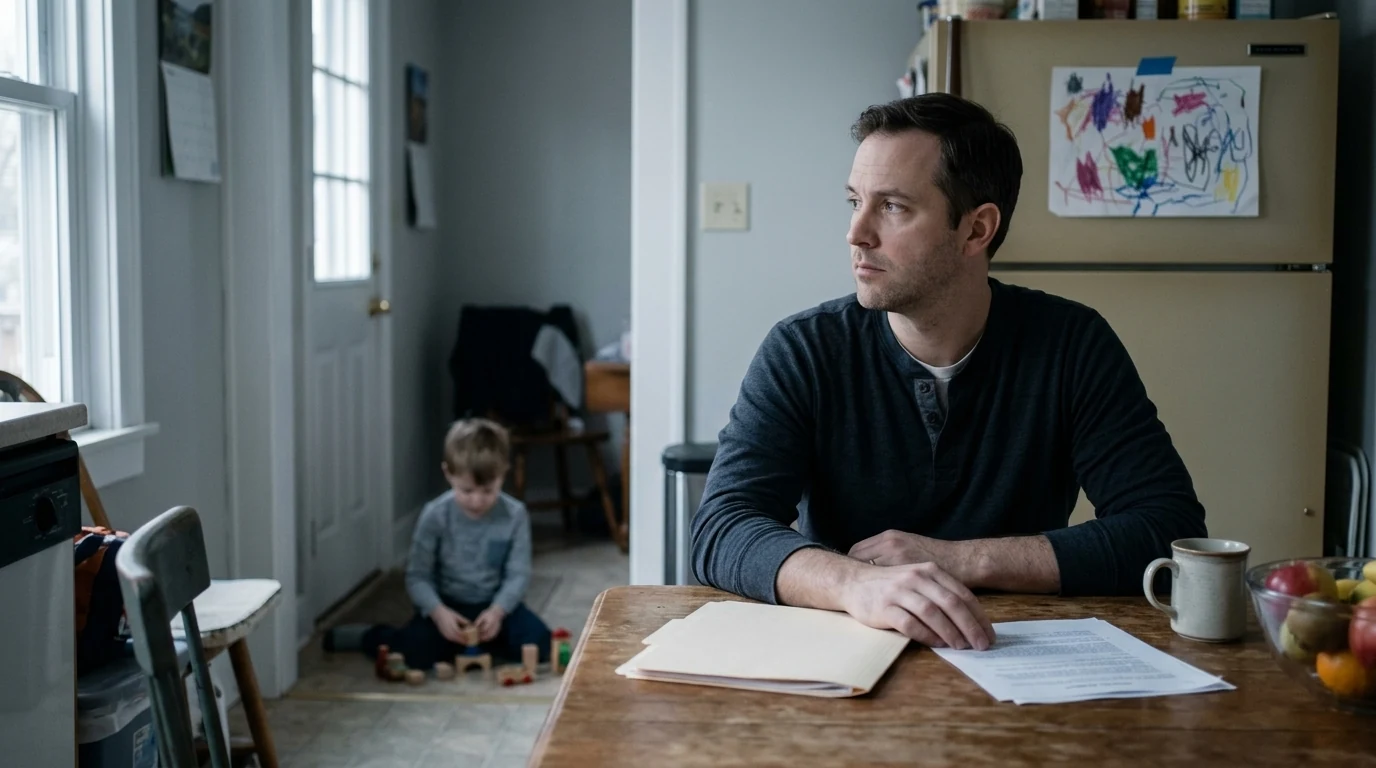
The child psychiatrist used the phrase "psychotic features," and you have been turning it over in your head ever since. Your fifteen-year-old, who has had an autism diagnosis since age four, started saying odd things last spring. Hearing voices, maybe. Or thoughts that feel like voices. The psychiatrist did not say schizophrenia, but the word is now in the room.
You have spent a few evenings searching for what this overlap actually looks like, and the research is hard to read. Some studies suggest autistic adolescents and adults are several times more likely than peers to develop schizophrenia. Some symptoms of one condition can mimic the other. The two get tangled, and they do not always show up in the order or shape you expect. This article walks through what is known about the connection, what stays uncertain, and what is worth watching for as your child moves into the years when schizophrenia typically emerges. None of it changes who your child is. It just gives you better questions to ask.
Understanding Autism and Schizophrenia
Autism and schizophrenia are two distinct neurodevelopmental conditions, but research has been steadily mapping the places where they overlap. The shared territory is wider than most parents expect, and clinicians are still untangling what the overlap actually means for diagnosis and care.
Co-Occurrence and Link
The co-occurrence of autism and schizophrenia has been documented across multiple studies. A 2018 study suggests that individuals with autism are up to 3.55 times more likely to also have a schizophrenia diagnosis 1. That does not mean an autism diagnosis predicts schizophrenia, or vice versa. Most autistic individuals will never develop schizophrenia. The elevated risk just means the two conditions show up together more often than chance alone would explain.
Brain imaging has identified structural and functional similarities between the brains of people with autism and those with schizophrenia, which is part of why researchers describe both as neurodevelopmental disorders that affect how the brain develops 1.
Genetic Factors
The link extends to genetics. According to a 2017 study, a deletion on chromosome 22 may contribute to the development of certain disorders, including Autism Spectrum Disorder (ASD) and schizophrenia 1. This is one of several genetic findings that point toward shared biological pathways.
A 2021 study observed that children of parents with schizophrenia are more likely to exhibit autistic traits. That supports earlier research showing children of parents with schizophrenia were up to three times more likely to receive an ASD diagnosis.
The picture that is emerging is not "one condition causes the other." It is "some of the same genetic and developmental factors raise the odds of both." That nuance matters for families navigating diagnosis, and it is one reason research continues.
Brain Similarities and Differences
Beyond shared genetics, autism and schizophrenia overlap in how they affect brain development and cognitive functioning, though in distinct ways.
Neurodevelopmental Aspects
Both ASD and schizophrenia shape how the brain develops, and brain imaging studies have shown similarities in regional activation and structural patterns 1.
Researchers estimate a 15 to 25 percent genetic overlap between autism and schizophrenia, which is a meaningful share but well short of the conditions being the same thing. Certain genes appear to influence both, while many others affect only one.
Cognitive Impairments
Cognitive impacts differ between the two. Autistic individuals may struggle with social cognition, which is the ability to read social cues, infer intent, or understand unstated rules. People with schizophrenia tend to face challenges with attention, working memory, and executive functioning, especially during and after psychotic episodes.
The cognitive impact varies widely from person to person. Some autistic individuals have above-average cognitive strengths in many domains. Some people with schizophrenia maintain strong cognitive function between episodes. The point is not that the conditions look the same in every brain, but that there is enough cognitive and neurological overlap to make accurate diagnosis genuinely difficult, particularly without a comprehensive evaluation.
Higher co-occurrence rates have been reported in clinical populations than in the general population. One study found that 7.8 percent of adults with autism had co-occurring schizophrenia. Another found that 30 to 50 percent of cases of childhood-onset schizophrenia were preceded by a co-morbid Autism or Pervasive Developmental Disability diagnosis 2. Other research suggests up to half of autistic individuals develop schizophrenia-like symptoms at some point in their lives, though prevalence estimates vary depending on how symptoms are defined.
Diagnosis and Historical Context
The way autism and schizophrenia have been understood, and separated, has shifted significantly over the last century, which is part of why current diagnostic distinctions matter.
Misdiagnosis History
Autism was frequently misdiagnosed as childhood-onset schizophrenia for most of the 20th century. That misdiagnosis was common until 1980, when autism was officially separated from schizophrenia in the Diagnostic and Statistical Manual of Mental Disorders (DSM-III) 2.
The term "autism" was first used in the early 1900s by Swiss psychiatrist Paul Eugen Bleuler, who used it to describe a feature he observed in children diagnosed with schizophrenia: the tendency to create and live in an inner world 2. The shared etymology is part of why the diagnostic histories of the two conditions are so intertwined.
Distinctions in Symptoms
Despite the overlap, there are clear diagnostic distinctions. The challenge is that research on the relationship between autism and schizophrenia is still developing. It is not always clear how common schizophrenia actually is among autistic individuals, what specific risk factors elevate that probability, or which early signs are most predictive. As a result, early signs of schizophrenia in autistic teens and young adults can be overlooked, dismissed as autism-related behavior, or attributed to anxiety or stress 4.
Adolescence and early adulthood, typically ages 16 to 30, is the window when schizophrenia most often emerges. New behaviors during that window, especially changes in thinking, perception, or contact with reality, are worth raising with a healthcare provider promptly. Earlier evaluation tends to lead to earlier support, regardless of which direction the diagnosis goes.
Overlapping Traits and Risks
The places where autism and schizophrenia share territory are not just academic. They have real consequences for how families and clinicians interpret behavior, and which risks need active monitoring.
Shared Symptoms
Autism and schizophrenia are distinct diagnoses with distinct criteria, but they share several presenting features that can complicate evaluation. These shared symptoms include abnormal perceptions or paranoid thinking, sensory differences, executive functioning difficulties, and social traits such as social withdrawal, communication challenges, and reduced eye contact Neurodivergent Insights.
Both conditions can present with unusual or atypical behaviors and self-isolation. The overlap of these traits sometimes results in individuals showing features of both diagnoses, which can lead to misdiagnosis or delayed recognition of a second condition Verywell Mind.
| Shared Symptoms | Autism | Schizophrenia |
| Abnormal Perceptions or Paranoid Thinking | Yes | Yes |
| Sensory Differences | Yes | Yes |
| Executive Functioning Difficulties | Yes | Yes |
| Social Withdrawal | Yes | Yes |
| Communication Differences | Yes | Yes |
| Reduced Eye Contact | Yes | Yes |
Psycho-Social Risks
People living with autism, schizophrenia, or both share elevated psycho-social risks. Both groups are at higher risk for self-harm, suicidality, substance use, and victimization Neurodivergent Insights.
Research consistently finds that autistic individuals develop schizophrenia at higher rates than the non-autistic population. The current best explanation combines shared genetic vulnerability with environmental contributors such as chronic stress, isolation, sleep disruption, and adverse childhood experiences. None of these are deterministic, but each one is worth attention in the years leading up to and during adolescence Verywell Mind.
| Psycho-Social Risks | Autism | Schizophrenia |
| Self-Harm | Yes | Yes |
| Suicidality | Yes | Yes |
| Substance Use | Yes | Yes |
| Victimization | Yes | Yes |
Knowing these risk patterns is part of why long-term behavioral support matters for autistic teens. In our practice, we see families pay closer attention when a teen on our caseload begins showing changes that feel different in kind, not just intensity. Those moments are exactly when an established behavior plan, and an ongoing relationship with a BCBA, makes coordination with the medical team easier rather than starting from scratch.
Treatment Approaches
When autism and schizophrenia co-occur, treatment is rarely one thing. It is usually a combination of medication, psychotherapy, and behavioral support, coordinated across a team.
Pharmacological Interventions
Psychopharmacological treatment is commonly used to manage co-occurring autism and schizophrenia. One study found that 92.6 percent of autistic individuals with intellectual disabilities and concurrent schizophrenia received psychopharmacological treatment, most often antipsychotic medications (Link).
| Treatment Type | Percentage of Autistic Individuals with Intellectual Disabilities and Co-Occurring Schizophrenia |
| Psychopharmacological Treatment | 92.6% |
The National Institute for Health and Care Excellence (NICE) recommends a combination of antipsychotic medication and psychological treatments for schizophrenia. Many autistic individuals with co-occurring schizophrenia consistently report that medication is an essential part of staying stable.
Psychotherapy and Support
Beyond medication, structured psychotherapy and consistent behavioral support play a major role. One study reported that crisis management planning, identifying early warning signs of relapse, and training community caregivers were among the most frequently implemented interventions 5.
These interventions produced measurable reductions in symptoms of psychosis, depression, anxiety, and general adjustment difficulties at the end of treatment, with most gains maintained at one-year follow-up.
| Intervention Type | Outcomes |
| Crisis Management Planning and Caregiver Training | Significant reductions in psychosis, depression, anxiety, and adjustment difficulties |
For families with an autistic teen who is now also navigating a psychiatric condition, behavior plans usually need updating rather than starting over. The original goals do not disappear. New goals get added, and the team coordinates so that medication adjustments, therapy goals, and the home plan are not pulling in different directions. Our BCBAs spend a meaningful share of their time on this kind of coordination, especially when developing individualized behavioral intervention plans for children who are managing more than one condition. The plan is not a static document. It is a working agreement that shifts with the child.
Practical Considerations
Most parents reading this article are not trying to memorize co-occurrence rates. They want to know what to watch for, when to call a clinician, and how to support a child or teen across what may be a long arc.
Early Signs and Detection
Autism typically becomes evident in early childhood, while schizophrenia tends to emerge in late adolescence or early adulthood. That timeline difference is genuinely useful when interpreting new behaviors.
Autistic individuals are 3.6 times more likely to develop schizophrenia compared to non-autistic peers 3. Autistic adults are also about three times more likely than the general population to report hallucination-like experiences, though hallucination-like experiences are not the same as a schizophrenia diagnosis.
The research base is still thin, and that thinness has a cost: early signs of schizophrenia in autistic individuals can be overlooked or attributed to autism 4. Behaviors worth raising with a clinician include new beliefs that feel out of character, reports of hearing or seeing things that others do not, marked changes in sleep, sudden withdrawal beyond a person's baseline social comfort, and significant changes in mood or self-care. Sudden, unexplained shifts deserve a conversation with a provider who knows your child.
Managing Co-Occurrence
Managing co-occurring autism and schizophrenia is genuinely complicated, and the right approach varies by person. Some autistic teens diagnosed in early childhood develop schizophrenia later in life, which requires distinct evaluations to track each condition 3.
Treatment should be tailored to the individual, taking into account specific symptoms, communication preferences, and family context. That usually means a combination of medication, psychotherapy, and consistent behavioral support across home, school, and community settings.
Genetic vulnerabilities and environmental stressors can both contribute to the emergence of psychotic symptoms in autistic individuals, which is why ongoing monitoring and supportive interventions matter, especially through adolescence 3.
One thing we tell families across our caseload: durable progress in any single skill, whether it is a coping strategy, a communication tool, or a routine for managing stress, tends to come from systematic teaching followed by gradual fading of support. Our BCBAs build that fading deliberately, because the goal is not constant prompting but a teen who can use the skill when the support is no longer in the room. Articles like the importance of fading prompts in skill acquisition walk through the mechanics. For an autistic teen who may also be managing emerging psychiatric symptoms, having a few solidly faded coping skills already in the toolkit can make the harder months easier on everyone.
Early detection, coordinated care, and consistent management improve outcomes for individuals with co-occurring autism and schizophrenia. The relationship between the two conditions is still being mapped, but the practical work for families is the same as it has always been: keep an eye on changes, advocate for thorough evaluations when something feels different, and stay in steady contact with the team supporting your child.
Why Mastermind Behavior
Mastermind Behavior is a BCBA-owned and operated in-home ABA therapy provider serving families across New Jersey, Georgia, and North Carolina. Every behavior plan in our practice is designed and supervised by a Board Certified Behavior Analyst, and the trials that bring those plans to life happen in actual rooms (kitchens, bedrooms, the back seat of a car at school pickup) with Behavior Technicians your child sees consistently. Parent training is built into the model so the people who spend the most time with your child are part of the team, not on the outside of it. When teens with autism begin showing new behaviors that feel different in kind, not just intensity, get specialized behavior support for your child from BCBAs who can coordinate with your psychiatric team and keep the behavior plan aligned as treatments evolve. With a 90 percent plus staff retention rate and no onboarding waitlist, most families begin direct services within six weeks of their initial assessment.
If you are watching changes in your teen and wondering how behavioral support fits alongside psychiatric care, schedule a free consultation or call 732.813.7333. Whether you are just beginning to notice changes, or already working with a psychiatrist, we are happy to listen, and to help you think about how in-home ABA therapy fits into the bigger picture for your family.
References
[2]: https://neurodivergentinsights.com/misdiagnosis-monday/shizophrenia-vs-autism
[3]: https://www.verywellmind.com/the-relationship-between-autism-and-schizophrenia-6748936
[4]: https://www.autism.org.uk/advice-and-guidance/topics/mental-health/schizophrenia/autistic-adults
[5]: https://link.springer.com/article/10.1007/s10803-024-06286-6