Why Do Autistic People Like Sonic?
Why do autistic people like Sonic? Speed, bright colors, and clear patterns make it a common special interest. How it can build skills and connection.


There is a Sonic plushie on the couch, a Sonic backpack by the front door, and the Sonic theme playing on a loop from the iPad in the kitchen. Your eight-year-old can name every character, recite every zone, and explain the difference between Shadow and Metal Sonic without taking a breath. Somewhere underneath all of it, you are wondering whether this counts as a problem.
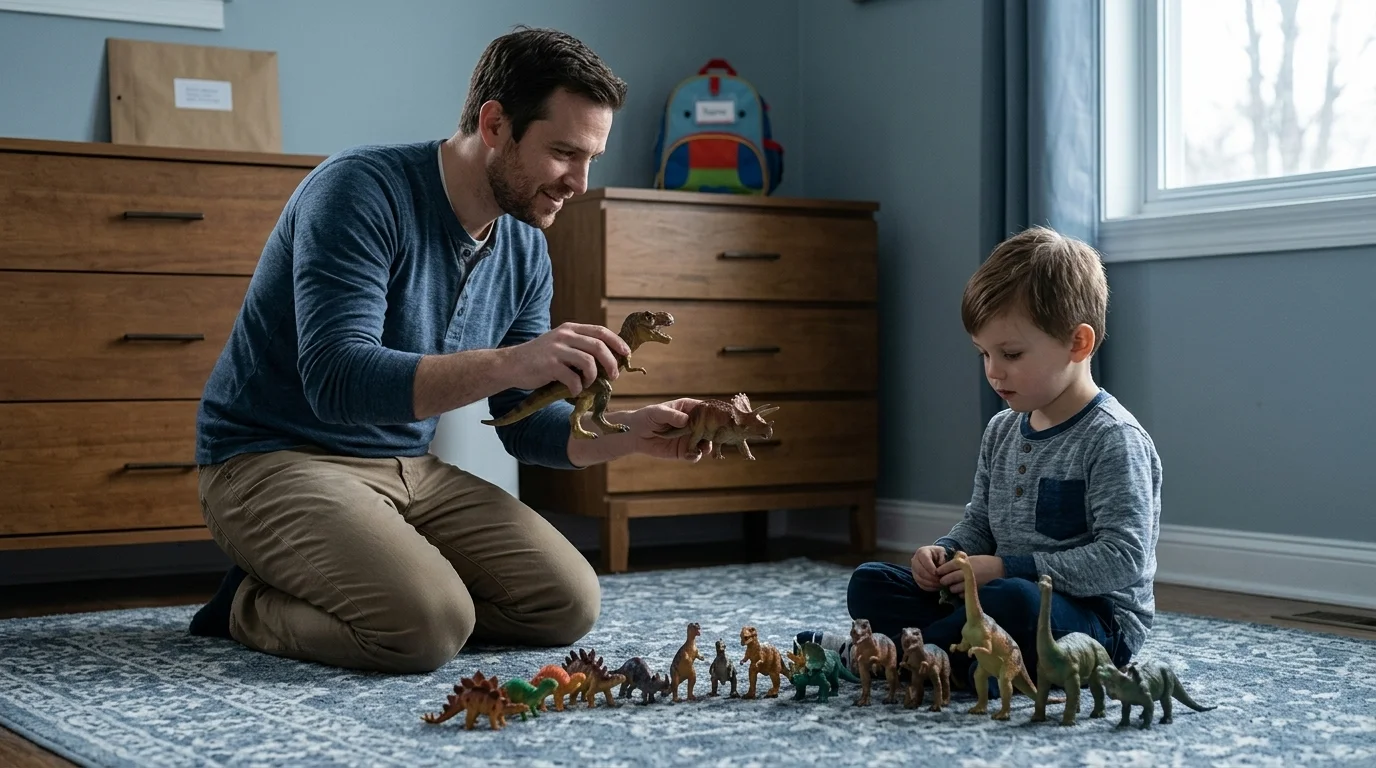
In our practice, an intense special interest is usually one of the best starting points an ABA team can have. A child who has already chosen what they love has handed us a map. We see it most clearly with kids who lock onto a single character: the words come faster around that character, the eye contact lasts longer, the cooperation runs deeper. The interest is not the issue. What you do with it is what matters next.
Understanding Special Interests
Special interests are a significant aspect of the lives of many children on the autism spectrum. These intense and focused areas of interest, sometimes called passions, play a meaningful role in daily routines and overall well-being. For parents looking to take that intensity and channel it into growth, in-home ABA therapy is often where the work starts.
Role of Special Interests
Special interests captivate the attention of autistic children, often becoming a central part of their lives. These interests can vary widely, from specific subjects like trains or characters such as Sonic the Hedgehog, to broader topics like numbers or animals. They serve several key roles:
- Motivation and engagement. Special interests provide a strong source of motivation. They encourage children to learn, explore, and develop new skills related to their interest. In our practice, this is the single most useful lever a BCBA has on a tough morning.
- Emotional regulation. Engaging with special interests can act as a form of stress relief. The familiarity and joy derived from these interests offer a sense of comfort and stability.
- Social interaction. Special interests can also serve as a bridge for social interaction. They provide common ground for conversations and shared activities with peers, siblings, and adults who learn to meet the child where the interest lives.
Benefits of Special Interests
The benefits of having special interests extend beyond enjoyment. They contribute to the cognitive and emotional development of children with autism:
- Cognitive skills. Engaging with a complex video game like Sonic the Hedgehog can support memory, attention to detail, and problem-solving.
- Focus and attention. The intense focus required to engage with a special interest can translate to improved concentration in other areas of life. This is particularly useful in educational and therapeutic settings, which is exactly why our BCBAs often build the first few months of a program around whatever the child already loves.
- Sense of mastery and confidence. Successfully engaging with a special interest provides a sense of control and accomplishment. That foundation tends to make new challenges feel less overwhelming.
Understanding the role and benefits of special interests is key to supporting autistic children. By recognizing and nurturing these interests, parents and therapists can enhance quality of life and developmental outcomes for kids on the spectrum.
The Appeal of Sonic
One of the primary reasons autistic children are drawn to Sonic the Hedgehog is the visual stimulation the game provides. Sonic games are known for their vibrant colors, fast-paced action, and engaging graphics. These elements can captivate the attention of children who are particularly responsive to visual input.
| Visual Element | Description |
| Colors | Bright and vivid, appealing to visual sensory needs |
| Graphics | Engaging and detailed, keeping attention focused |
| Action | Fast-paced, providing continuous visual stimulation |
The consistent and predictable visual patterns in Sonic's gameplay can create a comforting environment for children on the autism spectrum. This structured gameplay contrasts with the complexities and uncertainties of the real world, offering a reliable and enjoyable experience.
Character Empowerment
Sonic the Hedgehog's character traits also play a significant role in his appeal. Sonic is brave, determined, and unwavering in standing up for what is right. These qualities can be relatable and inspiring to children who often face challenges in social interactions and communication.
| Character Trait | Description |
| Bravery | Sonic's courage can be empowering for children facing their own challenges |
| Determination | His persistence resonates with kids who are working to overcome obstacles |
| Independence | Sonic models self-reliance, which can build confidence over time |
| Resilience | He gets knocked down and gets back up, modeling recovery from setbacks |
| Morality | Standing up for what is right provides a sense of comfort and inspiration |
The empowerment a child feels through Sonic's character can offer an emotional connection that is vital for kids with autism. We see this often in our caseload: a child who struggles to describe their own feelings can describe Sonic's feelings in detail. That gap is something a BCBA can work with. We use the character as a translator, building social and emotional skills around moments the child already understands. Over time, the child starts borrowing Sonic's framing for their own situations, which is exactly the kind of generalization ABA is built to support.
Sonic's positive attributes also serve as a source of inspiration. His bravery, determination, and independence can be particularly powerful for kids who struggle with social interactions and communication. For many children, Sonic is not just a figure in a game but a model of qualities they admire and want to embody.
For families ready to channel that energy into structured, daily skill-building, our parent training program teaches parents how to use whatever their child already loves as a teaching tool. The first few sessions usually focus on turning the existing interest into a reinforcement system that actually works at home.
Sonic's Impact on Cognitive Skills
Engaging with Sonic the Hedgehog can support memory in children with autism. The game's structured and predictable environment offers a consistent experience that contrasts with the complexities of the real world. This structured gameplay encourages players to remember intricate details, routes, and strategies, which in turn strengthens memory capabilities.
The vibrant colors and dynamic sound effects further stimulate sensory input, creating memorable experiences that resonate deeply with kids on the autism spectrum. This sensory richness not only makes the game enjoyable but also helps reinforce memory retention.
| Cognitive Skill | Impact |
| Memory | Strengthened through repeated gameplay and memorization of routes and strategies |
Problem-Solving Skills
Sonic also plays a role in supporting problem-solving skills. The game requires players to navigate through various levels, each with its own set of challenges and obstacles. This demands analytical thinking and strategic planning, which are core components of effective problem-solving.
The predictable patterns in the game provide a sense of control, making it easier for children to focus on solving problems without feeling overwhelmed. This structured environment allows them to practice and sharpen their problem-solving skills in a safe and engaging setting. In our practice, BCBAs often pair Sonic gameplay sessions with explicit prompting around what the child is doing strategically. The transfer to non-game problem-solving usually happens within the first few months when the child starts narrating their thinking out loud.
| Cognitive Skill | Impact |
| Problem-Solving | Improved through navigating game levels and overcoming obstacles |
By engaging with Sonic the Hedgehog in a structured way, autistic children can build memory, attention to detail, and problem-solving skills. This not only supports cognitive development but also provides a comforting and stimulating environment that resonates with their unique sensory preferences. For families looking to take that progress further, our skill development program builds these same cognitive skills into daily routines across the home.
Engaging Gameplay of Sonic
The fast-paced action and predictable patterns in Sonic games offer a unique and engaging experience for children on the autism spectrum. The structured gameplay and sensory experiences create a stimulating environment that resonates with autistic players.
Fast-Paced Action
Sonic games are known for rapid gameplay that involves navigating through various levels at high speeds. This fast-paced action provides a thrilling experience that can be particularly appealing to autistic children. The quick decision-making and reflex-based challenges keep players engaged and focused.
| Gameplay Element | Description |
| Speed | High-velocity movement through levels |
| Reflex Challenges | Quick decision-making and reaction time |
| Engagement | Constant player interaction and focus |
The fast-paced nature of Sonic games may also support reaction times and focus, both of which can carry over into other skill-building work.
Predictable Patterns
Autistic children often find comfort in routines and predictable patterns. Sonic games offer a consistent and predictable experience that contrasts with the complexities and uncertainties of the real world. The familiar gameplay mechanics, recurring characters, and recognizable level designs provide a sense of stability.
| Game Aspect | Predictable Element |
| Level Design | Recurring themes and layouts |
| Characters | Familiar and consistent cast |
| Mechanics | Consistent gameplay rules and controls |
These predictable patterns help create a structured environment that can be comforting and enjoyable for autistic players. The sense of stability and routine offered by Sonic games can reduce anxiety. We often build the same kind of predictability into the early weeks of an in-home program, because a child who knows what is coming next is a child who can learn.
The combination of fast-paced action and predictable patterns makes Sonic games a compelling choice for many autistic children. The engaging gameplay not only provides entertainment but also offers a sense of comfort and stability that can be especially beneficial for kids on the autism spectrum.
Emotional Connection with Sonic
The emotional bond between autistic children and Sonic the Hedgehog is worth taking seriously. The character offers more than entertainment.
Sense of Belonging
Beyond the inspirational traits explored earlier, Sonic also provides a sense of belonging. The character's consistent and predictable nature offers comfort and familiarity. Sonic's adventures and triumphs can foster a sense of inclusion, making children feel connected to a larger community that appreciates the same character.
For many autistic kids, online forums, fan art communities, and shared playthroughs become the first place they feel like an obvious member of a group. Most of our caseload includes at least one kid whose first real friendship was built around developing individualized behavioral intervention plans for children that specifically used Sonic content as the shared activity in early peer-play sessions. The character becomes a bridge, and bridges are what social skill development actually needs.
Sonic's positive traits, like standing up against injustice and never giving up, can also be empowering. They serve as positive role models, encouraging children to persevere in their own lives. For many kids, Sonic is not just a figure in a game but a companion who embodies qualities they admire and strive to emulate.
Social Interaction Through Sonic
The Sonic the Hedgehog franchise has become a useful platform for fostering social interactions among autistic children. This section explores how the Sonic universe assists in building friendships and improving social skills.
Building Friendships
Sonic the Hedgehog provides an engaging shared interest that can help autistic kids form and strengthen friendships. The vibrant and colorful world of Sonic is visually captivating and provides a sensory experience that is enjoyable for many autistic children. This shared enthusiasm can serve as a foundation for social connection.
Autistic fans often engage in online forums, fan clubs, and social media groups dedicated to Sonic, providing a safer space to discuss their favorite characters, games, and storylines. These communities offer an opportunity to connect with others who share their passion, fostering a sense of belonging.
Improved Social Skills
Interacting within the Sonic fandom can also contribute to the development of social skills. Engaging in discussions about Sonic, whether online or in person, helps autistic children practice communication, turn-taking, and perspective-taking. These interactions can build their ability to navigate social situations and form meaningful relationships.
The inclusive and diverse world of Sonic offers relatable characters that autistic children can identify with, helping them better understand social cues and emotional expressions. This understanding can translate into improved social interactions in real-world settings. In our practice, BCBAs often structure early peer-play sessions around the child's special interest precisely because the cognitive load of "what do I say next" drops sharply when the topic is already familiar.
| Aspect | Benefit |
| Shared Interest | Builds common ground for friendships |
| Online Forums | Provides a safer space for social interaction |
| Relatable Characters | Enhances understanding of social cues |
The Sonic universe not only entertains but also supports the social development of autistic children. By providing an engaging platform for interaction, Sonic helps foster friendships and improve social skills. That is the real answer to why autistic kids love Sonic so much: the character meets them where they are, and a skilled team can use that meeting point to build the rest.
Why Mastermind Behavior
Mastermind Behavior is a BCBA-owned and operated in-home ABA therapy provider serving families across New Jersey, Georgia, and North Carolina. Our model is built on the idea that the best place to teach a child new skills is the place where they will actually use those skills, which is why our team comes to your home rather than asking you to come to ours. Each program is designed by a Board Certified Behavior Analyst, run day-to-day by Behavior Technicians who work directly with your child in their living room, kitchen, and backyard, and supported by parent training that gives you tools you can use long after the session ends. When a child's life already revolves around a deep special interest, our BCBAs build the early phases of the program around it, turning Sonic the Hedgehog (or trains, or dinosaurs, or numbers) into the engine that drives skill acquisition. With a 90 percent staff retention rate and no onboarding waitlist, most families begin direct services within six weeks of their initial assessment.
If you are wondering whether your child's intense love for Sonic is something to worry about or something to work with, we would be glad to walk you through what an in-home program could look like. Schedule a free consultation or call us at 732.813.7333. We will listen first, ask a few questions about how the interest currently shows up at home, and help you figure out the right next step.