What Does Overstimulation Feel Like in Autism?
Discover what overstimulation feels like in autism, and learn effective coping strategies for a calmer life.


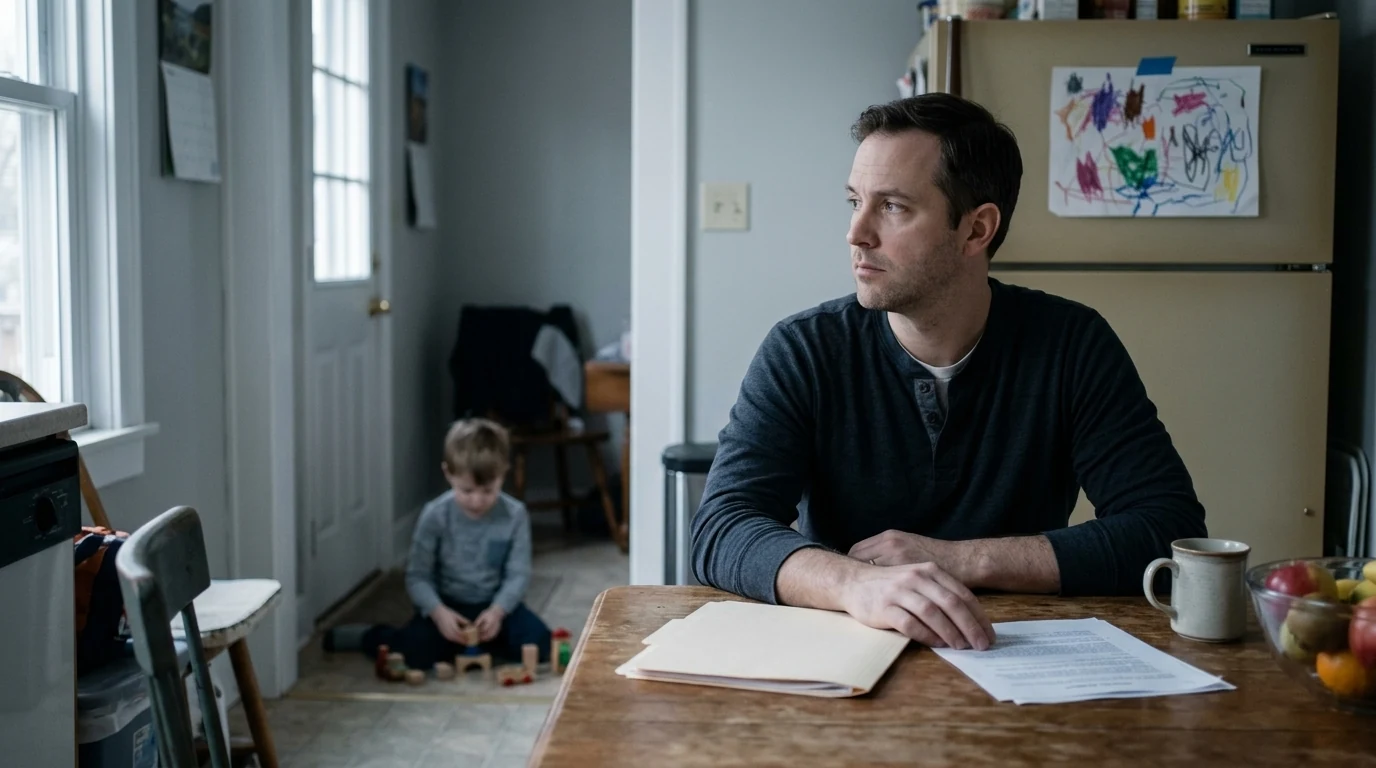
You are in the cereal aisle with your seven-year-old and you can feel it building before he can name it. His shoulders climb toward his ears. The hum of the freezer case, the announcement over the speakers, the lights bouncing off the glossy boxes, the woman talking on her phone two carts over. To you it is background. To him it is one signal stacking on another with nowhere for any of it to go. He starts pressing his palms against his eyes. You know what is coming next.
Sensory overload in autism is not a tantrum and it is not a choice. The brain is taking in more information than it can sort and organize, and the body responds the way it would to pain or threat. About 90 percent of autistic people experience some form of sensory processing difference [1], so what looks like a behavior problem in the cereal aisle is usually a nervous system one. Our team works with families in their actual homes on exactly this, and the goal is never to toughen a child up. It is to figure out what their system can handle, build skills for the moments it can't, and shape the environment so the cereal aisle stops being a battlefield.
Understanding Overstimulation in Autism
Overstimulation happens when there is more sensory input coming in than a person's brain can process and integrate at that moment. The result is a flooded, overwhelmed feeling and a strong pull to escape the stimulus. In intense moments, this can show up as crying, screaming, or thrashing. It helps to think of overstimulation as a form of pain, because that is closer to how it registers in the body than to how it looks from the outside.
Children with autism often respond to sensory input in patterns that fall into two camps. Hypersensitivity (over-responsiveness) means ordinary input feels too loud, too bright, too rough. Hyposensitivity (under-responsiveness) means the same input barely registers, so the child seeks out more intense input to feel regulated. In our practice, most kids on our caseload show a mix, with one or two senses on the hypersensitive side and one or two on the hyposensitive side. That is part of why generic advice rarely fits.
Four Faces of Overstimulation
To understand the experience more fully, it helps to break overstimulation into four forms. Each one is a different angle on how input can overwhelm a child.
| Type of Overstimulation | Description |
| Sensory | Overwhelming sensory input such as loud noises, bright lights, or crowded spaces. The child may have an urgent need to get away from the input. |
| Emotional | Emotional overload from strong feelings or charged social interactions, often showing up as anxiety, tearfulness, or anger. |
| Intellectual | Cognitive demand exceeds what the child can process. Frustration and inability to concentrate follow. |
| Social | The strain of reading social cues, holding multiple conversations, and managing a group at once. |
When parents, teachers, and therapists can spot which face of overstimulation is in play, they can match the support to the actual problem instead of guessing.
Different Forms of Overstimulation
Overstimulation shows up in several different ways. Understanding the type your child is experiencing helps you respond to what is actually happening rather than what it looks like from across the room.
Sensory Overstimulation
Sensory overstimulation happens when the senses are flooded by what's in the environment. For a child whose senses run hot, ordinary input can feel like a sensory assault. A vacuum cleaner can register the way a fire alarm registers for a typical adult. The smell of someone's lunch can be unbearable. A clothing tag can feel like sandpaper. The body cannot relax in that state because it is reading the environment as a problem to escape.
| Sensory Triggers | Examples |
| Sounds | Vacuum cleaners, hand dryers, fluorescent buzz, music with sudden volume changes |
| Smells | Strong perfumes, cleaning products, certain foods |
| Textures | Scratchy fabrics, clothing tags, sticky or wet things |
| Visuals | Bright overhead lights, flickering screens, busy patterns |
Emotional Overstimulation
Emotional overstimulation is what happens when feelings come in faster or more strongly than a child can sort them. The result is often a sudden outburst, a fit of tears, or a hard withdrawal into themselves. Many children with autism also have trouble identifying and labeling their feelings in real time, which makes emotional overload harder to interrupt before it crests.
| Signs of Emotional Overstimulation | Examples |
| Intense reactions | Sudden anger or tears with no warm-up |
| Difficulty in emotion identification | Struggling to put a name to what they're feeling |
| Overwhelming frustration | Inability to handle strong emotions in the moment |
Intellectual Overstimulation
Intellectual overstimulation shows up as a hard time focusing on the most important task and a hard time deciding what to handle first. Some children dig deeper into a topic as a way to manage the overload, which sounds like a strength until it tips into exhaustion. A child who has been processing classroom content for six hours may have nothing left for dinner-table conversation, and that is often where parents see the day's bill come due.
| Intellectual Challenges | Examples |
| Difficulty focusing | Trouble completing assignments |
| Overwhelming information | Feeling lost in the details |
| Exhaustion from engagement | Fatigue after discussions or learning |
Social Overstimulation
Social overstimulation is sensory, emotional, and intellectual overload combined. A conversation moves fast. Tone matters. Facial expressions matter. There may be background noise, bright lights, and other people moving around at the same time. For a child with autism, that is many channels of input to track at once, and a birthday party or a noisy classroom can use up the day's processing budget in twenty minutes.
| Social Overstimulation Symptoms | Examples |
| Overwhelm in group settings | Difficulty in conversations with more than one or two people |
| Anxiety in social interactions | Fear or avoidance of social situations |
| Sensory overload in crowds | Feeling lost in busy places |
Recognizing the different forms helps families and providers build strategies that fit the situation, not just the surface behavior. This is part of where in-home ABA therapy can do something a clinic-based program cannot, because we can see what triggers your child in their actual living room and bedroom rather than in a sensory-controlled treatment space.
Effects of Sensory Overload
When a child reaches sensory overload, the effects show up in three places at once: in their behavior, in their body, and in their emotions.
Behavioral Symptoms
Behaviorally, overload tends to show up as one of two responses. Some kids escalate (more movement, more noise, more reaction). Others shut down (less movement, less talking, less response). Both are signals of the same underlying state.
| Behavioral Symptoms | Description |
| Repetitive Behaviors | Hand-flapping, spinning, or rocking may increase in frequency. |
| Agitation | Restless, unable to stay still or settle. |
| Irritability | Frustration over small things that wouldn't normally be a problem. |
| Seeking Isolation | Withdrawing from people and activity to escape the input. |
| Anxiety | Heightened anxiety in the overwhelming moment. |
These responses are not misbehavior. They are the nervous system asking for help.
Physical Symptoms
The body keeps the score. Sensory overload often shows up physically before parents see the behavioral change, which is one of the things we coach parents to watch for during parent training sessions.
| Physical Symptoms | Description |
| Heightened Sensitivity | Sharper reaction to textures, sounds, or lights. |
| Headaches | Pressure or pain triggered by overstimulation. |
| Dizziness | Disorientation or feeling unsteady. |
| Nausea | Stomach upset linked to overload. |
| Covering Ears or Eyes | A child instinctively shielding themselves from the input. |
These physical signs are often the first window for a parent to intervene, before behavior escalates.
Emotional Symptoms
Emotionally, overload shows up as fear, anxiety, frustration, and sometimes a full meltdown. A meltdown is not a tantrum. A tantrum stops when the child gets what they want; a meltdown runs its course no matter what is offered, because the system is doing what it has to do to discharge the load.
| Emotional Symptoms | Description |
| Anxiety | Rising worry as input piles up. |
| Fear | A response to a place or situation that has overloaded the child before. |
| Frustration | Inability to escape or communicate what's wrong. |
| Emotional Meltdowns | Outbursts that have to run their course. |
| Need for Self-Regulation | The internal pull to find a way to settle back down. |
Knowing these patterns helps parents and providers respond to overload as overload, not as behavior to be corrected.
Coping Strategies for Overstimulation
Coping with overstimulation matters because it shapes how much of the day a child gets to spend learning, playing, and connecting. These strategies work best when families practice them on a calm day, not first try them in the middle of a meltdown.
Creating a Calming Environment
A sensory-friendly setting reduces the load before it becomes a problem. Most of the homes we work in have one or two rooms that are especially hard for the child, and small changes can make a real difference:
- Soft Lighting: Dimmable bulbs or lamps with soft shades instead of overhead fluorescents.
- Quiet Areas: One spot in the house that is reliably low-stimulation, where the child can decompress.
- Reducing Clutter: A more organized space cuts visual noise without removing anything the child uses.
- Soundproofing: Rugs, curtains, and acoustic panels soften the echo and the hum.
| Calming Environmental Features | Description |
| Soft Lighting | Dimmable lights or lamps that avoid harsh brightness. |
| Quiet Areas | A designated low-input spot to unwind. |
| Reducing Clutter | Organized spaces that lower visual load. |
| Soundproofing | Materials that absorb disruptive noise. |
Utilizing Sensory Integration Therapy
Sensory Integration Therapy helps children with autism process sensory input more effectively through structured, positive activities. An occupational therapist is the right person to design and run this kind of work. ABA and sensory integration are not the same field, but they often complement each other well, and our BCBAs frequently coordinate goals with a family's OT.
Common approaches include:
- Play Therapy: Sensory-rich play with textured toys, water, or sand to build tolerance in a low-pressure setting.
- Weighted Blankets: Calming pressure that helps the body settle, especially at bedtime.
- Therapeutic Techniques: A personalized plan from a trained occupational therapist.
Implementing Self-Regulation Techniques
Self-regulation techniques give a child their own tools, which is the longer-term goal. The first signs of stress are also the easiest moment to redirect, and one of the things we coach kids on is recognizing those early signals in their own bodies before things crest.
- Breathing Exercises: Slow, structured breathing that gives the nervous system a different signal.
- Visual Supports: Charts or symbols that help a child recognize when they're heading toward overload.
- Scheduled Breaks: Built-in quiet time, especially around hard transitions or after big sensory days.
| Self-Regulation Techniques | Benefits |
| Breathing Exercises | Reduces anxiety and helps the body settle. |
| Visual Supports | Helps the child name what they're feeling. |
| Scheduled Breaks | Builds in recovery time before overload hits. |
These strategies, used together, let kids move through their day with more confidence and less ambush.
Managing Overstimulation in Autism
Managing overstimulation in children with autism is a team effort. Parents, teachers, and therapists each see the child in different settings, and the best plans pull from all of those vantage points.
Strategies for Caregivers and Educators
Children with autism can become overwhelmed by situations they didn't choose and can't easily exit. Adults around the child need a set of strategies they can pull from when that happens.
| Strategy | Description |
| Create a Sensory-Friendly Environment | Lower the noise, dim the lights, remove the obvious triggers. Noise-canceling headphones can help. |
| One Person Rule | When a child is at the edge of a meltdown, one calm adult should be the point of contact. Multiple voices add input the child cannot process. |
| Deep Breathing Techniques | Teach breathing on calm days so the child has the skill ready before they need it. |
| Physical Activities | Squeezing a stress ball, deep pressure, or proprioceptive input helps release tension and reset the system. |
Used together, these strategies can shift the trajectory of a hard day before it tips over.
Importance of Calming Techniques
Calming techniques matter because they give a child practical tools for managing the input that is going to come at them whether or not anyone is ready. Each child has their own version of what works. For one of ours, it was a particular weighted lap pad and counting backwards from twenty. For another, it was a specific corner of the basement with the lights off. Practiced consistently on regular days, these techniques become the first thing a child reaches for on hard ones.
Sensory Overload Triggers
Knowing what sets a child off is half the work. Triggers vary by child, but patterns emerge once families start paying attention to what came right before the hard moments.
Common Environmental Triggers
| Trigger Type | Examples |
| Noises | Loud music, hand dryers, fluorescent buzz, sudden announcements |
| Lights | Bright overheads, flickering screens, flashing lights |
| Smells | Perfumes, cooking odors, cleaning products |
| Crowded Spaces | Shopping centers, school assemblies, family gatherings |
| Textures | Rough fabrics, clothing tags, certain foods on skin |
A child may be hypersensitive in one channel and hyposensitive in another, which is why generic environmental advice rarely fits a particular kid. Common responses to overload include irritability, anxiety, and frustration in the moment, often followed by exhaustion after.
Impact on Daily Life
The impact of sensory overload spreads further than the moment it happens. A morning meltdown shapes the afternoon. A hard birthday party can mean three quiet days after. A child who can't make it through a grocery store with their parent loses out on the everyday learning that happens in those small outings.
Stimming (hand-flapping, rocking, repetitive vocalizations) often shows up here as a self-regulation tool. It is not something to extinguish for its own sake. In many cases stimming is the strategy the child found that works, and pulling it without offering something else makes overload worse, not better. The goal of behavior support for sensory-driven behavior is never to suppress the body's response. It is to give the child more tools so the response doesn't have to be the only way out.
Once you know the specific triggers and the specific responses, you can build a plan that fits the child you actually have rather than a generic version of a child with autism.
Why Mastermind Behavior
Mastermind Behavior is a BCBA-owned and operated in-home ABA therapy provider for families across New Jersey, Georgia, and North Carolina. The reason we work in homes is that sensory overload almost never happens in a treatment room. It happens in the kitchen at 5:45 PM when the smoke alarm goes off, in the laundry room when the dryer buzzer hits, in the upstairs hallway when a sibling slams a door. Our BCBAs build the behavior plan from what they see in your actual rooms. Our Behavior Technicians run the trials with your child in the same rooms, on the same furniture, around the same family members. Our parent training coaches sit at your kitchen table and walk you through what to do the next time the cereal aisle starts to tip. With a 90%+ staff retention rate and no onboarding waitlist, most families begin direct services within six weeks of their initial assessment, which matters when a child is in distress now and not in three months.
If you are watching your child get overwhelmed by sounds, lights, or crowds and you want a plan that fits your home and your child, schedule a free consultation or call us at 732.813.7333. We are happy to listen first to what an ordinary day looks like in your house, then talk about what could change. No pressure, no commitment.
References
- Robertson, C.E. & Baron-Cohen, S. (2017). Sensory perception in autism. Nature Reviews Neuroscience. https://www.nature.com/articles/nrn.2017.112
- National Autism Association. Sensory sensitivities in autism. https://nationalautismassociation.org/
- Child Mind Institute. Sensory processing issues explained. https://childmind.org/article/sensory-processing-issues-explained/
- Autism Speaks. Sensory issues. https://www.autismspeaks.org/sensory-issues