Strategies for reducing self-injurious behaviors in children
Understanding and Addressing Self-Injurious Behaviors in Children

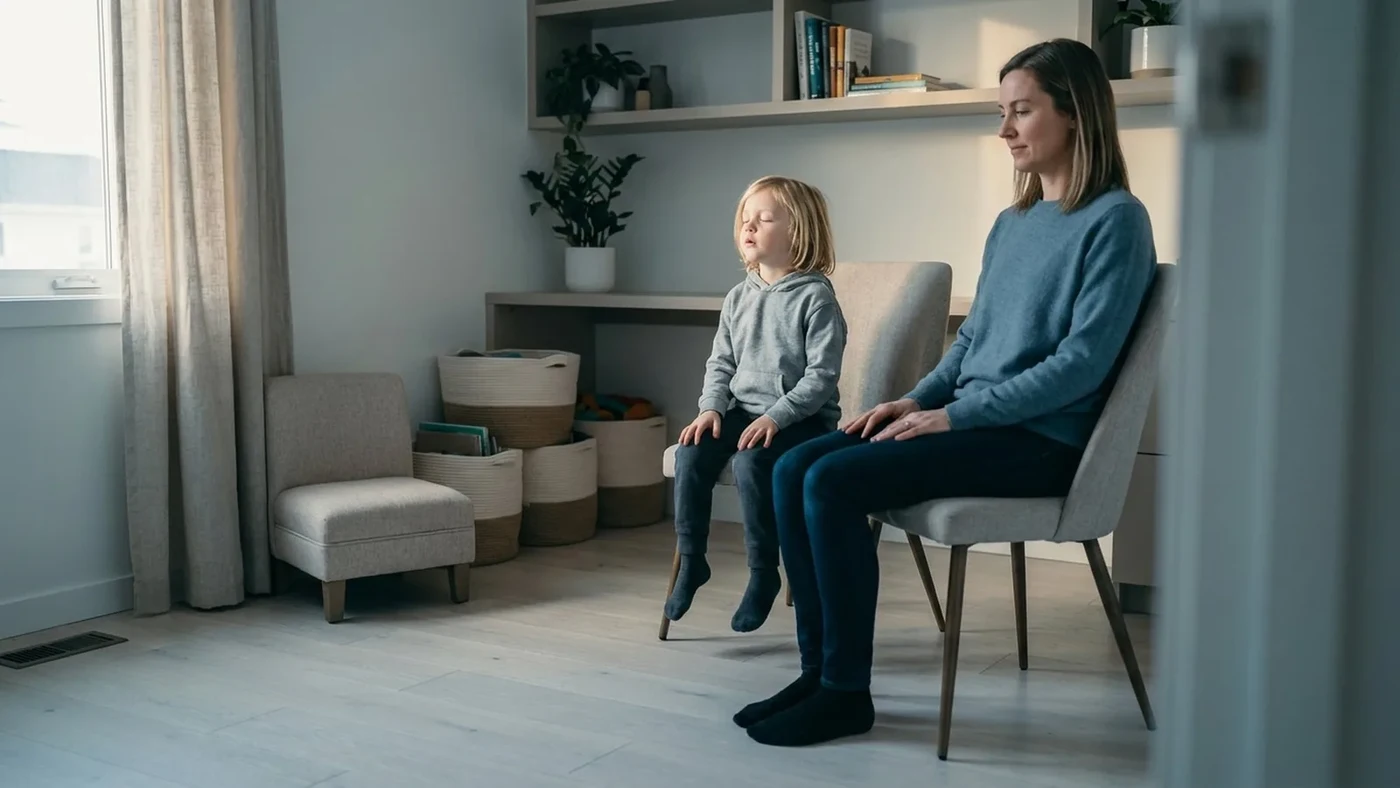
There is a new bruise on your six-year-old's forehead and you know exactly where it came from. The wall in the hallway. You watched it happen the first time, last Tuesday. By Thursday she had done it four more times. You have started moving the soft chair into the hallway, which is the kind of thing nobody prepared you for when she was diagnosed. Self-injurious behavior is one of the hardest things any parent of a child with autism faces, and it is one of the most misunderstood. This article walks through what actually drives the behavior, what works to reduce it, and how to talk to a therapist about getting real help. We will not pretend it is simple. But it is not random, and there is a path through it.
Exploring the Causes of Self-Injurious Behaviors
Self-injurious behaviors (SIB) in children, particularly those diagnosed with autism spectrum disorders (ASD) or neurodevelopmental disorders (NDDs), often stem from multiple underlying issues. In our practice, the single most useful first move is treating the behavior as communication that does not yet have words attached.
Common Causes of SIB
A notable share of autistic individuals engage in SIB at some point in their lives. Common motivations include:
- Communication Difficulties: Many children struggle to express their needs or feelings verbally, leading them to resort to SIB as a means of getting a need met.
- Sensory Processing Differences: Some children with autism experience atypical sensory input, and self-injury can be a way of seeking or regulating sensory stimulation.
- Emotional Distress: Frustration, anxiety, or feeling ignored can trigger self-harm as a coping response to overwhelming emotions.
Emotional and Sensory Triggers
Identifying emotional and sensory triggers is crucial for intervention. Common triggers include:
- Feeling Unheard: When children are unable to communicate effectively, they may engage in SIB to make their distress known.
- Change in Routine: Unpredictable changes can lead to anxiety, prompting self-injurious reactions.
- Physical Discomfort or Pain: Any underlying medical issues, including ear infections, GI pain, or dental pain, can drive SIB. Our BCBAs always recommend ruling out medical causes before assuming the behavior is purely behavioral.
Communication Difficulties
Strengthening communication is vital in addressing self-injurious behaviors. Collaborating with speech therapists to explore alternative communication methods (such as sign language or communication devices) can help children express their needs without resorting to self-harm.
By understanding the multifaceted causes of SIB, caregivers and professionals can create more effective interventions tailored to each child's unique needs.
Prevention and Identification of Self-Injurious Behaviors
Self-injurious behaviors (SIB) in children can be prevented and identified through early intervention, monitoring for warning signs, and understanding emotional triggers. Children with Autism Spectrum Disorder (ASD) and other developmental disabilities may start exhibiting behaviors such as head-banging, biting, or hitting themselves as early as toddlerhood.
Early Intervention
Early identification is essential in managing SIB. Education is vital for caregivers to recognize the different forms of self-injury and their potential functions, such as:
- Gaining attention
- Escaping difficult situations
- Seeking sensory stimulation
- Accessing a preferred item or activity
Implementing Functional Behavior Assessments (FBAs) can pinpoint the triggers and maintaining conditions for these behaviors, allowing for tailored interventions.
Warning Signs and Identification
Signs to watch for include:
- Increased frustration or anxiety
- Withdrawal from social interactions
- Expressions of emotional distress, such as crying or aggression
- Pre-cursor behaviors that reliably appear in the minutes before an SIB episode (a specific sound, a specific posture, a specific kind of fidgeting)
Caregivers should facilitate open communication and observation, encouraging children to express their feelings and concerns in whatever modality works for them. Teaching healthy coping mechanisms, such as breathing exercises or sensory-friendly activities, significantly reduces the likelihood of self-harm over time.
Collaborative Approach
A collaborative approach involving speech therapists, behavioral specialists, and occupational therapists can effectively support children showing signs of SIB. Through teamwork, caregivers can implement various strategies, including developing alternative communication methods to reduce frustration and fostering appropriate behaviors through reinforcement. This coordinated effort creates a support system tailored to each child's needs, fostering healthier coping strategies and preventing self-injury.
Strategies and Interventions for Reducing Self-Injury
Reducing self-injurious behaviors (SIBs) in children with autism spectrum disorder (ASD) or other neurodevelopmental disorders (NDDs) requires a multifaceted approach. This includes behavioral therapies, psychological therapies, alternative communication systems, and, in some cases, pharmacological treatments. To get expert behavior support in your home, our BCBAs combine these approaches into one written plan rather than treating them as separate tracks.
Behavioral Therapies
Implementing behavioral therapies, such as Applied Behavior Analysis (ABA) and Functional Communication Training (FCT), is fundamental. These approaches focus on:
- Communication Needs: Developing communication systems helps the child articulate their needs, reducing reliance on SIBs.
- Functional Behavior Assessment (FBA): Conducting an FBA is essential to identify triggers for the behavior and the underlying motivations, whether they relate to sensory inputs, emotional states, or environmental contexts.
- Positive Reinforcement: Techniques that promote alternative behaviors replace the self-injurious actions with safer ones, such as rewarding the communication of needs through verbal methods, sign language, or a picture-based system. When a child has multiple ways to get the same outcome, the matching law in ABA therapy describes why they will choose the path with the highest reinforcement rate, which is exactly why FCT works when it works.
Functional Behavior Assessment (FBA)
An FBA typically involves:
| Steps | Action | Purpose |
| 1. | Identify behavior | Helps define the specific self-injurious behaviors being exhibited. |
| 2. | Determine triggers | Understand antecedents that lead to the behavior, such as frustration or sensory overload. |
| 3. | Analyze consequences | Evaluate what happens following the behavior to identify motivations like escaping tasks or gaining attention. |
By pinpointing these aspects, caregivers and professionals can tailor interventions that target not just the SIBs themselves but also their root causes.
Psychological Therapies for Older Children
For school-age children with more developed verbal and cognitive abilities, several therapy modalities have evidence behind them and complement ABA:
- Cognitive Behavioral Therapy (CBT) focuses on changing thought patterns that can lead to harmful behaviors. It includes techniques for identifying feelings and replacing self-injury with healthier responses.
- Dialectical Behavior Therapy (DBT) emphasizes emotion regulation and distress tolerance, with skills training to help children manage intense emotions without self-harm.
- Mindfulness-based therapies help children stay grounded in the present moment, supporting emotional regulation and self-awareness over time.
For older children with the cognitive capacity for it, structured tools like how to use behavioral contracts in ABA therapy can also formalize the agreement between caregivers and the child around replacement behaviors, making the plan feel collaborative rather than imposed.
Alternative Communication Methods
Teaching children alternative communication is vital. Strategies include:
- Functional Communication Training (FCT), which uses systematic methods to replace self-injurious behavior with more appropriate communication.
- Collaboration with speech therapists to establish effective communication tools, such as sign language, picture exchange systems, or augmentative and alternative communication (AAC) devices, so children can express themselves without resorting to self-harm.
Pharmacological Treatments
In cases where behavioral interventions alone are insufficient, pharmacological treatments may be considered alongside ABA. Some medications, including second-generation antipsychotics like risperidone and aripiprazole, have evidence for helping manage severe SIB. Decisions about medication belong with a prescribing physician, not the BCBA, but our team coordinates closely so the behavior plan and the medical plan are not working at cross-purposes.
Inpatient Care
In more severe cases of self-injurious behavior, inpatient care may be necessary. This option provides a structured and safe environment for intensive support and is used when self-injury occurs frequently or poses a real risk to the child's safety. Inpatient is rare, but families need to know it exists.
Overall, a collaborative approach that combines behavioral strategies with medical oversight ensures that interventions are comprehensive and adaptive to the child's evolving needs. Continuous monitoring, data collection, and regular adjustments to the treatment plan are vital for effective management of self-injurious behaviors.
Coping Strategies for Children At Risk of Self-Harming
Addressing self-harm behaviors in children, particularly those with Autism Spectrum Disorder (ASD), requires a multifaceted approach. One effective strategy is to create a supportive environment. Caregivers and educators can foster a space where children feel safe to express their feelings without judgment. This can involve maintaining a calm atmosphere and promoting open communication.
Identifying triggers for negative feelings is essential. Caregivers should observe when self-injurious behaviors occur and consider what events or feelings precede them. By understanding the context (such as frustration during tasks or sensory overload), adults can help anticipate difficulties and implement preventive measures.
Engaging children in creative or sensory activities can also redirect behavior in the moment. Arts and crafts, music, or physical exercise provide an outlet for emotions and help redirect focus. Activities like jumping, swinging, or deep-pressure input can satisfy sensory needs safely. Incorporating mindfulness techniques, such as breathing exercises or mood journals, can empower older children to manage their emotions better.
Seek professional help when necessary; BCBAs and therapists can teach self-soothing techniques and healthier coping skills. It's crucial for children and parents both to know they are not alone and that support is available.
Educational Resources for Addressing Self-Injurious Behaviors
Self-injurious behaviors (SIBs) in children can be alarming and challenging to manage. Fortunately, numerous educational resources are available to help parents, educators, and mental health professionals navigate these issues effectively.
Key Resources include:
Organizations:
- SAFE Alternatives: Offers a comprehensive approach to understanding and treating self-injurious behaviors.
- Cornell Research Program on Self-Injury and Recovery: Provides research and evidence-based practices for caregivers and clinicians.
Guidelines for School Professionals:
Student Mental Health Matters: A Toolkit for Educators: This toolkit assists in recognizing and addressing mental health needs in a school setting.
- Self-Injury: A Manual for School Professionals: Focuses on identifying warning signs and supporting students who engage in self-harm.
Interactive Tools and Workshops:
Online courses and workshops on effective intervention techniques and coping strategies are widely available.
- Counseling services often conduct educational sessions to assist in teaching healthy coping mechanisms.
These resources emphasize the importance of fostering supportive environments in educational settings to help children manage their emotions and behaviors effectively.
The Role of Functional Communication Training
Functional Communication Training (FCT) is a systematic approach designed to replace self-injurious behavior (SIB) with appropriate communication methods. The following steps outline the implementation of FCT:
- Assessment of Behavior Function: Identify what urges the SIB, such as seeking attention or avoiding tasks.
- Selecting a Communication Modality: Choose suitable communication methods based on the child's needs, like spoken language, sign, or picture cards.
- Creating Teaching Situations: Design environments that encourage the child to practice new communication skills.
- Prompting Communication: Initiate communication attempts and provide prompts for the child to respond.
- Fading Prompts: Gradually reduce assistance as the child becomes more proficient in using communication strategies.
- Generalization Across Settings: Ensure the child can apply these skills in diverse situations and with different caregivers.
- Teaching New Forms of Communication: Reinforce the learning of alternative methods to further replace SIB.
In our practice, FCT teaching usually shows up in the data within two to four weeks if the function has been correctly identified. If a child is not picking up the replacement skill after a month of consistent teaching, it is almost always a sign to re-run the FBA, not push harder on the same plan.
What research findings support the effectiveness of Functional Communication Training as an intervention for self-injurious behaviors?
Research findings indicate that FCT is an effective intervention for reducing self-injurious behaviors in children with autism spectrum disorder (ASD) by addressing communication deficits. Studies show that when FCT is implemented correctly, it results in significant decreases in SIB, often maintained over time, particularly when combined with strategies like extinction. A review of multiple studies highlights that FCT involves teaching alternative communication methods, such as spoken language, picture cards, or AAC devices, tailored to the individual's needs. The training addresses the underlying functions of SIB, including escape, attention, and access to tangibles, which can lead to a decline in these behaviors. Overall, FCT has been supported by systematic research as a viable approach to mitigating self-injurious actions by fostering effective communication.
Implementing a Holistic Approach to Treatment
Managing self-injurious behavior (SIB) in children, particularly those with Autism Spectrum Disorder (ASD), requires a collaborative approach involving various professionals. This often includes behavior specialists, occupational therapists, and speech therapists. Each professional brings unique insights that contribute to a comprehensive understanding of the child's needs and behaviors. For instance, behavior specialists can analyze patterns of SIB, while speech therapists assess communication challenges that might lead to frustration.
Regular assessments and adjustments
Frequent evaluations, such as Functional Behavior Assessments (FBAs), are essential in determining the triggers of SIB. These assessments allow caregivers and professionals to document behaviors, assess their antecedents, and refine intervention strategies accordingly. This ongoing process ensures that interventions remain effective and can be adapted based on the child's progress or changes in their environment.
Benefits of tailored interventions
Tailoring interventions to the specific needs of each child has proven particularly beneficial. Strategies may include using Functional Communication Training (FCT) to enhance communication skills, addressing sensory needs through occupational therapy, and modifying tasks into smaller, manageable components. Our parent training program is the layer that ties the rest together, since the BCBA and speech therapist will not be in the hallway with you at 6 PM when the head-banging starts. With individualized interventions and trained caregivers, children are more likely to engage in positive behaviors and reduce instances of SIB.
Implementing these components fosters a supportive and responsive environment that empowers children to express their needs effectively, ultimately improving their overall well-being.
Why Mastermind Behavior
Mastermind Behavior is a BCBA-owned and operated in-home ABA therapy provider serving families across New Jersey, Georgia, and North Carolina. Self-injurious behavior is some of the most demanding work we do, and we treat it that way. Our BCBAs run a careful FBA, rule out medical causes alongside your pediatrician, design the FCT or replacement-behavior plan, and write a safety protocol your whole household can execute the same way. Our Behavior Technicians run sessions in the rooms where the head-banging or biting actually happens, because a skill taught at a clinic table does not transfer to the hallway at 6 PM. Our parent-training coaches sit with you and walk through the exact words and movements for the precursor moment, the moment of, and the recovery. For families dealing with head-banging, biting, hair-pulling, or other forms of self-injury, this means we figure out what the behavior is doing for your child first, then teach a safer way to meet that same need, with the bruises and emergencies tracked weekly so the plan keeps adjusting. With a 90%+ staff retention rate and no onboarding waitlist, most families begin direct services within six weeks of their initial assessment.
If your child is hurting themselves and you have not seen a real, written plan yet, schedule a free consultation or call us at 732.813.7333. We will ask what the self-injury looks like, when it started, and what you have already tried, then tell you honestly whether ABA in your home would help, what the timeline might look like, and what we would do first.
References
- Intervention Strategies for Self-Injurious Behaviors | The Watson Institute
- Causes and Interventions for Self-Injury in Autism | Autism Research Institute
- Management of Self-Injurious Behaviors in Children with Neurodevelopmental Disorders (PMC)
- Help for Self-Harm | Crisis Text Line
- Self-injurious behaviour: a guide for all audiences | National Autistic Society
- Head Banging, Punching, Biting: Handling Self-Harm Behaviors in Kids | Riley Children's Hospital
- Self-injury/cutting: Diagnosis and treatment | Mayo Clinic