How to Teach Functional Academics to Older Children
Empowering Independence through Functional Academics

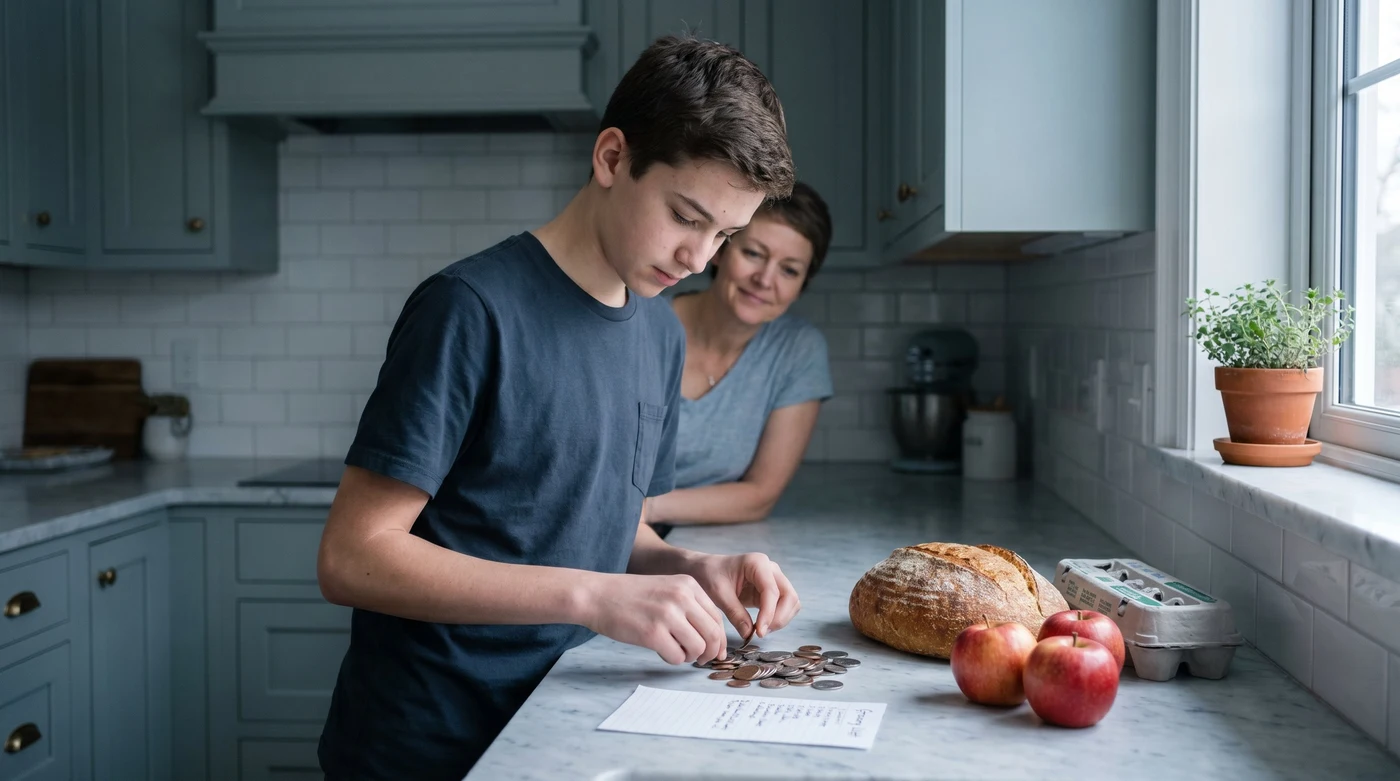
Your fourteen-year-old is at the register holding a five-dollar bill, and the cashier is waiting for change. You can see the math freezing in his face. He knows the numbers. He just can't get from "$3.40" to "I should give him a five." This is the moment most parents of older kids with autism realize that the worksheet curriculum at school isn't going to help here — and that what their teenager actually needs is a different kind of teaching, anchored in the situations that come up in real life. That's what functional academics is. It's not a downgrade from "real" school. It's the bridge between what your child is learning and what your child will actually do at sixteen, eighteen, twenty-one. Below is what good functional academic instruction looks like for older children, what to ask for in an IEP, and how the work connects to longer-term transition planning.
Key Components of Functional Skills Instruction
Teaching functional skills involves several essential components to effectively support students with disabilities. Transition planning becomes a priority, equipping students for adulthood by focusing on practical applications of literacy and essential social skills necessary for independent living.
Empowering self-determination plays a vital role in this process. By fostering students' ability to make choices, set goals, and advocate for themselves, educators enhance their confidence and independence. Encouraging students' engagement in their learning promotes a sense of ownership over their education, which is crucial for their development.
Effective strategies for teaching functional skills are also fundamental. These may include:
- Using graphic organizers to break down complex information, making it easier for students to understand and remember.
- Advance organizers can help students prepare for new content, linking prior knowledge to new concepts.
- Visual supports like schedules and choice cards can further assist by providing clear, tangible guidance on tasks and routines.
Moreover, addressing diverse learning needs through targeted interventions in areas such as mathematics and literacy is crucial. By tailoring instruction to meet individual requirements, educators can significantly elevate the effectiveness of functional skills learning.
Functional vs. Academic Curriculum: Understanding the Distinction
The distinction between a functional curriculum and an academic curriculum lies in their primary objectives. Academic curricula emphasize academic content mastery, focusing on traditional educational standards that prepare students for further education and career paths. They cover subjects such as math, science, and humanities, aligned with grade-level expectations.
In contrast, functional curricula prioritize life skills essential for independence and community integration. This approach is particularly beneficial for students with moderate to severe disabilities, who often require practical application of skills to navigate daily challenges. Research indicates that over 50% of these students see self-reliance as crucial to their success.
How does IDEA legislation support functional curriculums?
The Individuals with Disabilities Education Act (IDEA) mandates that each student with disabilities benefit from an Individualized Education Program (IEP) that may include individualized transition plans. These plans support the development of practical life skills necessary for independent living.
Such planning ensures that students receive instruction tailored to their unique needs, strengthening both academic and functional skills. Therefore, integrating both curricula can provide a comprehensive educational framework, enabling students to thrive in their future endeavors.
| Aspect | Functional Curriculum | Academic Curriculum |
|---|---|---|
| Primary Focus | Life skills and independence | Academic content mastery |
| Target Group | Students with moderate to severe disabilities | All students |
| Legislative Support | IDEA mandates transition planning for life skills | IDEA supports access to a free, appropriate education |
| Skill Development | Emphasizes daily living, communication, and social skills | Emphasizes traditional subjects like math and language arts |
| Goal | Promote self-reliance and community integration | Prepare for further education and careers |
Examples of Functional Academic Skills
Functional academic skills are fundamental literacy and numeracy abilities tailored to enhance daily living for students, particularly those with special needs. Examples of these skills include:
- Reading Personal Information: Recognizing and writing names, addresses, and phone numbers, which are critical for identification and communication.
- Understanding Money: Counting coins, making change, and managing finances through scenarios such as shopping trips.
- Interpreting Time: Telling time on both digital and analogue clocks helps reinforce time management skills necessary for independent living.
- Following Instructions: Learning to read and comprehend simple instructions enables students to perform tasks effectively.
Educators typically employ a blended teaching approach, combining functional life skills with academic content. This ensures that lessons are relevant and applicable to real-world situations.
Daily applications of functional academics
Daily applications of functional academic skills can be seen in various real-life scenarios. Engaging in practical activities not only builds essential skills but also promotes independence. Here are a few examples:
- Grocery Shopping: Students learn to identify prices, budget, and make purchases.
- Using Public Transportation: Skills like reading bus schedules and understanding routes are vital for mobility.
- Cooking: Recipes require comprehension of measurements and timing, making math transferrable to life skills.
Integrating these skills into educational curriculums enhances engagement and improves the quality of life for students with disabilities by fostering a sense of independence and community participation. Many of these are also goals we work on directly in skill development sessions, especially for older kids preparing for greater autonomy at home and in the community.
Engaging Activities for Functional Academic Development
Engaging students in practical tasks is crucial for fostering functional academic skills necessary for daily living. Here's a breakdown of effective activities:
- Mock Shopping Exercises: Simulate grocery shopping experiences where students can practice identifying items, counting money, and handling transactions. This activity enhances their understanding of money management and budgeting.
- Reading Community Signs: Teach students to recognize important signs like STOP or RESTROOM. This improves comprehension and aids in developing independence in navigating their environment.
- Time-keeping Activities: Use clocks to help students tell time and understand daily schedules. Practicing timing tasks can create familiarity with managing time effectively.
- Reading Food Labels: Integrating health awareness, this activity helps students learn to read ingredients and nutritional information, supporting both academic skills and personal well-being.
- Self-help Skills: Encourage activities like buttoning clothes or brushing teeth, which simplify everyday tasks while reinforcing fine motor skills and personal care practices.
- Counting and Sorting: Activities that involve counting utensils, sorting laundry, or packing snacks teach vital math skills and promote organizational abilities.
These activities not only improve functional skills but also enrich the quality of life for individuals with special needs, preparing them for more independent living.
Integrating academic skills with life skills
Integrating functional academic instruction with everyday life skills enhances overall learning experiences. Here's how:
| Skill Area | Functional Application | Example Activity |
|---|---|---|
| Functional Math | Counting money, budgeting | Mock shopping exercises |
| Functional Reading | Understanding signs, labels | Reading food labels and community signs |
| Life Skills | Self-care and hygiene | Learning to wash hands and dress independently |
| Social Skills | Practicing communication and collaboration | Group activities to sort or organize items |
Integrating academic tasks with life skills builds a foundational understanding, enabling students to apply these skills in real scenarios, ultimately leading to greater independence and confidence. The same logic applies when developing life skills for teens with autism preparing for adulthood — practice the skill in the place where it will actually be used.
Effective Teaching Methods for Older Children
To teach functional academics effectively to older children, a hands-on approach anchored in real-life applications is essential. This includes integrating practical situations into the learning process, which allows students to see the relevance of what they are learning.
Hands-on learning with real-life applications
One effective method is utilizing the Whole Word Approach for reading instruction. This method helps students recognize words, enabling them to read for protection from signs or for information and pleasure from menus and labels. For writing, progression is key; activities can start with tracing or copying before moving on to more complex tasks like writing emails or filling out forms. Sensory engagement during these activities—like using textured paper for tracing—can enhance learning retention.
Additionally, counting coins during shopping scenarios provides math practice while also teaching money management skills. Applying measurement skills in cooking activities not only fosters math understanding but also teaches independence.
Teaching social skills and functional literacy
Teaching social skills is equally important for fostering independence. Strategies such as direct instruction on social norms, creating opportunities for socialization within structured groups, and employing tools like Social Stories can provide context for students. By practicing these skills in a safe environment, students learn to navigate social interactions better.
Incorporating these real-world applications into daily activities allows students to generalize their skills effectively, leading to greater independence and success in various life situations. In our experience, the first three months of working on a single functional skill — counting change, reading a bus schedule, filling out a form — usually look slow on a data sheet. Around month four or five, the skill suddenly transfers, and parents start sending us videos of their teen doing it without a prompt. That delay is normal. What matters is staying with the same skill long enough for it to take.
Incorporating Functional Skills into Curriculum
Integrating functional skills into academic instruction is essential for enhancing the independence of students with moderate to severe disabilities. This approach ensures that lessons not only cover traditional content but also apply to everyday situations. For example, while teaching money management in a math lesson, educators can simulate grocery shopping scenarios using real-life materials.
Creating opportunities for math activities through functional applications—like budgeting, counting change, and utilizing measurements in recipes—allows students to see the relevance of their academic skills in their daily lives. Moreover, combining reading activities with functional tasks, such as identifying community signs or reading labels, can reinforce literacy in practical contexts.
Creating a Supportive Learning Environment
A supportive learning environment is vital for facilitating the teaching of functional skills. This includes using visual aids like schedules and choice cards, which offer clarity and facilitate decision-making. Involving parents in this process further strengthens home-school collaboration, ensuring that functional skills practiced in class can be reinforced at home.
Teachers should assess each student's individual needs, developing a tailored approach to functional skills. Engaging students in activities that incorporate real-world scenarios—like sorting laundry or setting the table—not only fosters independence but also embeds these skills within their daily academic routine.
Ultimately, a curriculum that weaves together functional and academic instruction paves the way for better preparation for life outside school — and aligns naturally with the long-term goals laid out in a strong transition planning program.
Involving Families in Functional Skills Education
In education programming focused on functional skills, active involvement from parents is vital. Families can provide unique insights into their child's needs, preferences, and home environment. This knowledge helps educators tailor functional skills instruction to better suit each student's specific requirements, ensuring that practical applications of skills align with the child's life at home.
Collaboration between educators and families creates an ongoing dialogue where parents can express concerns, share progress, and suggest areas for focus at school and home. Regular updates and workshops can empower parents to reinforce skills learned in the classroom, fostering consistency and support in their child's development.
Home and Classroom Alignment for Functional Skills
Aligning home routines with classroom strategies is essential for effective functional skills education. Parents should be engaged in identifying which functional skills are most relevant to their child's independence and daily life. By working together, families and educators can create a seamless learning experience that extends beyond the classroom.
For example, if a child is learning to manage money through grocery shopping exercises at school, families can practice similar activities at home—making purchases or budgeting. This alignment reinforces skill acquisition and promotes greater autonomy in everyday situations, leading to lasting independence for the student.
Conclusion
Functional academics provide older students with special needs the tools necessary for a more independent and fulfilling life. By integrating real-world applications with traditional educational goals, functional academic instruction empowers students to function effectively in society. The collaboration between educators, parents, and the community is vital to ensure that students not only learn these essential skills but also apply them meaningfully. As practitioners continue to develop and refine teaching methods, the impact of functional academics will enhance the quality of life and opportunities available to all learners.
Why Mastermind Behavior
Mastermind Behavior is a BCBA-owned and operated in-home ABA therapy provider serving families across New Jersey, Georgia, and North Carolina. We help older kids and teens build the academic skills they'll actually use — counting change at the register, reading bus signs, filling out a form, following the steps of a recipe. Because our BCBAs and Behavior Technicians come to your home, the skills get practiced in the places where they'll matter most. With a 90%+ staff retention rate and no onboarding waitlist, most families begin direct services within six weeks of their initial assessment.
If you're exploring ABA therapy for your child, schedule a free consultation or call us at 732.813.7333. We'll walk you through what's possible and help you figure out the right next step — no pressure, no commitment.