How to Teach Coping Strategies for Frustration
Empowering Children and Teens to Manage Frustration


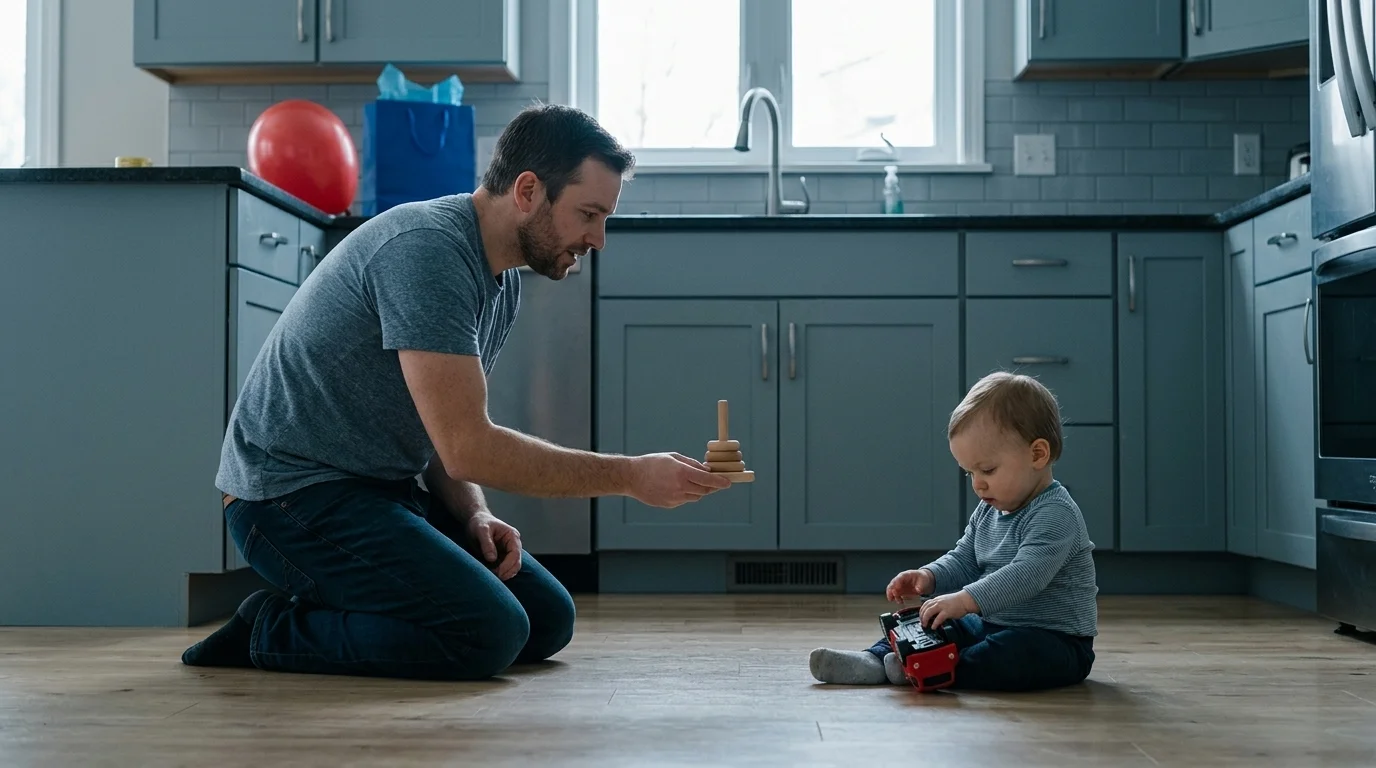
Your six-year-old is on the kitchen floor. The marker would not click back into its cap on the first try, and now the whole box is on the ground, the drawing is torn, and the sound coming out of him is the one that fills the entire house. You crouch down. You are out of calm voice. This is frustration, and for many children with autism it arrives fast and loud, because the gap between what they want to do and what they can do in that second feels enormous. Frustration itself is not the problem. It is a normal feeling everyone has. The problem is that coping skills are learned, not automatic, and a child who has not been taught what to do with that feeling will reach for the only thing he knows. This guide walks through how to teach those coping skills, at home, in the classroom, and for older kids and teens.
Recognizing the Causes and Symptoms of Frustration
Frustration comes from the distance between what a child wants and what is happening instead. For children with autism, a handful of triggers come up again and again:
- Demands that outpace skills: A task that sits just past what a child can do yet, like forming a sentence or tying a shoe, is a classic flashpoint.
- Changes and transitions: A sudden switch away from a preferred activity, or an unexpected break in routine, can spark frustration in seconds.
- Communication barriers: When a child cannot get a want or need across, the gap itself is maddening, and the behavior that follows is often the message.
- Sensory overload: Noise, crowding, or an itchy tag can push a child past their limit before any "real" problem even shows up.
- Waiting and unmet expectations: Wanting something now and being told to wait is one of the most common triggers for younger kids.
Recognizing the signs early is half the work. Frustration tends to show up as:
- Irritability: Getting easily annoyed by small things.
- Impatience: Trouble waiting or tolerating a delay.
- Anger: A spike in anger aimed at others or at themselves.
- Loss of confidence: Pulling back from things after repeated setbacks.
- Aggressive or impulsive reactions: Lashing out, throwing, or shutting down.
Left unaddressed, a steady diet of frustration can chip away at a child's confidence and spill into sleep, appetite, and willingness to try new things, which is exactly why it is worth teaching the coping side directly.
Building Effective Coping Skills
Effective coping starts with recognizing and accepting the feeling rather than fighting it. From there, concrete tools help: slow breathing, a short break, physical movement like a brisk walk, and reaching out to someone trusted.
Deep Breathing Techniques:
- 4-7-8 Breathing: Inhale for 4 seconds, hold for 7, exhale for 8. The long exhale settles the nervous system and steadies the emotional response.
10 Deep Breaths: Breathe in through the nose, pause, and exhale slowly through the mouth to clear the head. 2. Seeking Support:
Talk It Out: Venting to a trusted person gives emotional relief and perspective. Keeping it brief helps a child move through the feeling instead of marinating in it.
Guided Support: A teacher or mentor can help a child find constructive ways to handle frustration, especially in school settings. A steady mentor often does double duty, and our look at the role of mentorship in developing social skills covers how that relationship builds coping and connection at the same time. 3. Gaining Perspective:
Get the Bigger Picture: Asking whether the trigger will matter in an hour, or tomorrow, can take the heat out of the moment.
- Identify Triggers: Keeping a simple tracker of when frustration shows up reveals patterns and makes proactive coping possible.
Practiced consistently, these skills build self-control, support clearer thinking, and grow real emotional resilience over time.
Teaching Frustration Tolerance to Children
Frustration tolerance is a skill, and like any skill it is built through teaching and repetition rather than waited for. A few approaches work well:
- Body Mapping: Have a child draw a figure and color the spots where frustration shows up, the tight chest, the hot face, the clenched hands. Connecting the feeling to a physical sensation builds the self-awareness that has to come before any coping tool can work.
- Trigger Identification: A simple "trigger tracker" helps a child and the adults around them spot the specific situations that lead to frustration, whether that is a hard task or a conflict with a sibling, so support can come before the blowup instead of after.
- Deep Breathing with a Stoplight: Teach breathing through a stoplight image. Red means stop and breathe, yellow means think of a solution, green means try the plan. The visual gives a child something concrete to picture when words are not landing.
- Starfish Breathing: Tracing the fingers of one hand, breathing in up each finger and out down the other side, gives younger children a slow, physical way to reset.
- A Calm-Down Space at Home: A designated spot with a few comforting items, a pillow, a stuffed animal, a favorite book, gives a child somewhere to retreat and regroup rather than escalating in the middle of the room.
Other low-effort tools help too, like drawing out a frustration on paper or burning off the energy with outdoor play. This kind of structured skill development works best when frustrations are introduced in small, manageable doses, so a child gets reps at coping without being flooded.
In our experience, the first week or two of teaching a coping tool looks like it is not working. Most kids on our caseload start reaching for the tool on their own somewhere around the third or fourth week, usually right after they have used it once with help and felt it actually take the edge off. That delay is normal, and it is not a reason to abandon the tool.
Classroom Strategies for Teaching Coping Skills
Classrooms can teach coping right alongside academics. The starting move is for teachers to model self-regulation themselves, since kids learn a great deal from watching how the adult handles a snag. Practiced regularly, simple tools like deep breathing become accessible the moment stress hits, rather than something a child has to remember from scratch.
Emotional Recognition Techniques
Talking openly about feelings is a foundation. Helping students name their triggers builds emotional intelligence, and tools like body mapping, where students mark where they feel emotions in their bodies, make the abstract concrete. A "mad list," where students jot down what is bothering them, offers a controlled release for pent-up feelings.
Structured Programs
Evidence-based programs like RULER and Zones of Regulation give classrooms a shared language and structure for emotional regulation, helping students label what they feel and pick an appropriate coping move.
Calm-down Spaces
A designated calm-down corner in the classroom gives a student a safe place to regroup when they are overwhelmed. A few minutes to journal, use a relaxation tool, or simply take a break can head off an escalation before it spreads.
How can teachers help students manage frustration?
Clear instructions and flexible teaching methods matter too, especially for students with learning differences like dyslexia or ADHD. Recognizing that students do not all learn the same way lets a teacher adapt rather than repeat the same approach louder. Folding in mindfulness, like a short breathing reset, helps students recenter, and the basics, enough sleep, steady nutrition, and regular breaks, quietly lower the baseline frustration a child walks in with. Offering more than one way to complete an assignment gives students a sense of control, and control tends to restore confidence. Reminding a student that frustration is temporary can take some of the weight out of the moment.
Engaging Teens in Coping Mechanisms
For teens, creative outlets like drawing, painting, or crafting offer a way to express frustration visually. The process invites exploration of feelings, promotes relaxation, and builds self-awareness without the pressure of having to talk it out.
Physical Activity
Running, dancing, or a fast walk releases endorphins that act as natural mood boosters. Beyond the chemistry, movement shifts a teen's focus off the frustration and onto the body, which can reset a spiraling moment.
Emotional Expression
Encouraging teens to put feelings into words, through journaling or honest conversation, supports real emotional processing. Writing a frustration down or talking it through with someone trusted helps a teen gain perspective, validate the feeling, and build coping strategies they will carry into adulthood.
Parental Tools and Resources for Frustration Management
Plenty of resources speak directly to frustration in kids. Picture books like When Sophie Gets Angry, Really, Really Angry walk children through understanding their emotions, and short online workshops on emotional intelligence give parents concrete tools for coaching regulation at home.
Communicating with Teens
Open communication is the backbone. Create a safe space for a teen to name their frustrations, and use active listening so they actually feel heard. Calm conversations about triggers, held outside the heat of the moment, build understanding and head off escalation later.
Emotional Regulation Tools
Practical tools give a child something to reach for. Deep breathing helps a child settle, and progressive muscle relaxation releases the physical tension that frustration stores up. Building a "Coping Skills Toolbox" stocked with items that genuinely work for your child gives them a go-to set of resources, and practicing those tools when everyone is calm is what makes them available when no one is. When frustration regularly tips into behaviors that are hard to manage, our behavior support work helps families turn these tools into a consistent plan rather than a scramble.
The Path to Emotional Resilience
Coping with frustration is a skill worth nurturing early. With thoughtful guidance, steady practice, and tools matched to the child, kids and teens build the emotional resilience that carries them through hard moments. Whether the support comes from a parent at the kitchen table, a teacher in the classroom, or a structured plan, giving children real coping strategies hands them something they will use for the rest of their lives. It is not about removing frustration, which is impossible, but about teaching a child what to do when it arrives.
Supporting Emotional Regulation with Mastermind Behavior
Mastermind Behavior is a BCBA-owned and operated in-home ABA therapy provider for children with autism across New Jersey, Georgia, and North Carolina. Our Board Certified Behavior Analysts assess each child, build the plan, and refine it from the data they collect, while our Behavior Technicians run the day-to-day teaching in the spaces where frustration actually flares, the homework table, the bathroom routine, the handoff from screen time to dinner. Our parent training coaches work with you directly, so the coping tools your child learns are the same ones you can prompt at six o'clock on a hard evening. When frustration tips into a meltdown, our BCBAs look for the trigger first, then teach coping tools your child can actually reach for in the moment, not just describe in a calm room. Because we are in your home, we can practice those tools in the exact situations that set them off. With a 90%+ staff retention rate and no onboarding waitlist, most families begin direct services within six weeks of their first assessment.
If the hard moments are piling up at home, we will listen to what they look like for your family before we map out a single strategy. Schedule a free consultation or call 732.813.7333. We serve families across New Jersey, Georgia, and North Carolina, including in-home behavior support in Georgia.
References
- 18 Ways to Cope with Frustration | Mental Health America
- How to deal with frustration: 6 ways to cope with the stress - Calm
- How to Deal With Frustration - Verywell Mind
- 10 Ways to Deal with Frustration - Psych Central
- 20 Activities to Help Your Child Manage Frustration - PBS
- How to Teach Frustration Tolerance to Kids - Children's Health Council
- How to Help Your Child Learn Healthy Ways to Tolerate Frustration - Banner Health
- Managing Anger - Coping Skills for Kids