Strategies for Speech Apraxia and Autism
Unlock effective strategies for managing speech apraxia and autism to enhance your child's communication.


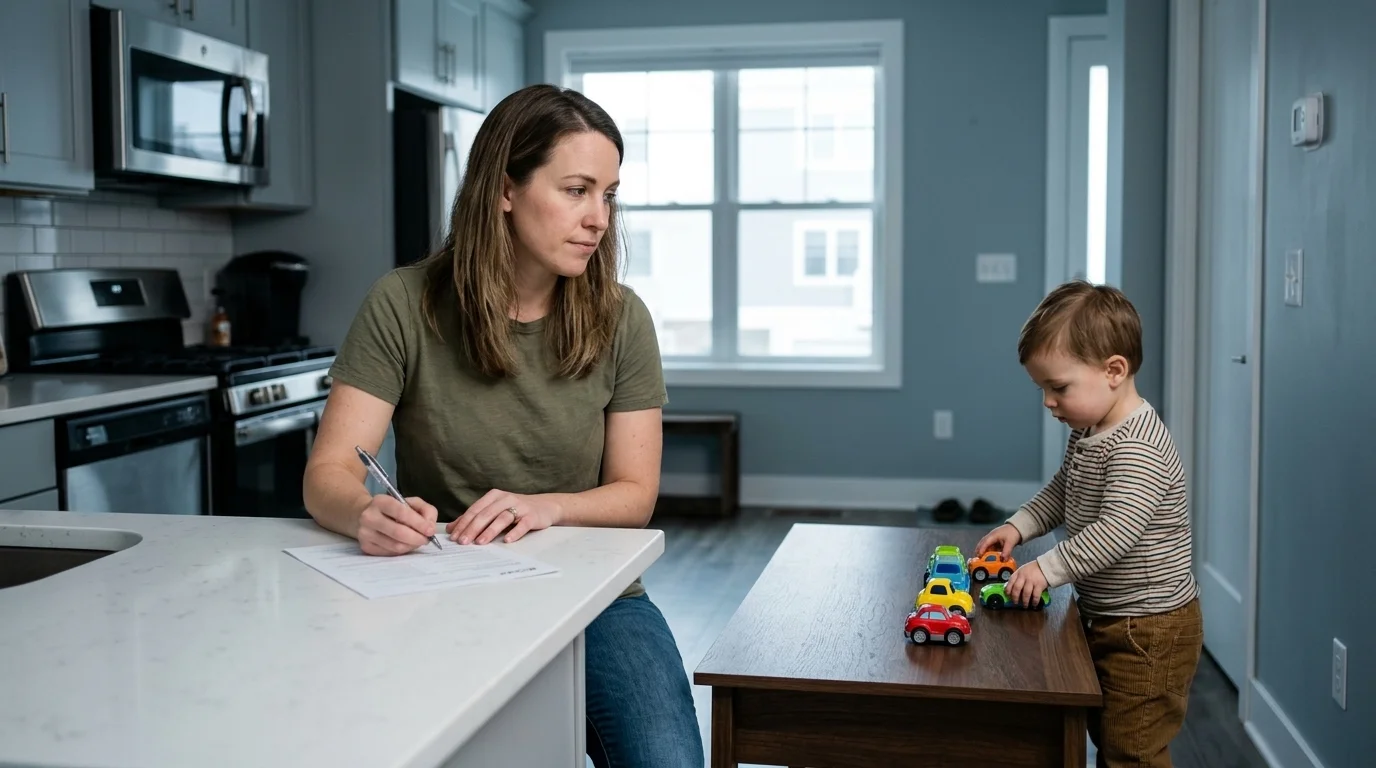
You have tried the picture cards. The signing app on the tablet. The word-of-the-day chart on the fridge. The bedtime book where you point to a picture and wait. Your three-year-old is bright. You can see he is bright, and so can the speech therapist. But the words are not coming, and the words that do come do not sound like the words on Tuesday.
Somewhere along the way, someone has probably mentioned apraxia. Maybe the SLP, maybe a friend, maybe a thread you read at 11 PM. You are trying to figure out if this is the autism that is making speech hard, or whether something else is sitting on top of it. The answer, for a meaningful number of kids on our caseload, is both. Knowing that changes the plan.
Understanding Speech Apraxia and Autism
Understanding how speech apraxia and autism relate is the starting point for almost every conversation we have with parents whose child is not yet talking the way they expected.
Overview of Speech Apraxia
Speech apraxia, also called childhood apraxia of speech (CAS), is a motor speech disorder. The child knows what they want to say. The brain just has trouble planning and executing the precise muscle movements (tongue, lips, jaw) needed to get the sounds out cleanly. It is relatively rare overall, affecting roughly 1 to 2 in 1,000 children in the US.
Children with apraxia often have inconsistent speech errors. The same word may sound one way at breakfast and another way at dinner. They may struggle to sequence sounds in the right order, and their rhythm and prosody (the music of speech) often sound off compared to other kids their age.
Despite its rarity in the general population, apraxia shows up in as many as 65% of children with autism. The overlap is large enough that any child being evaluated for one is worth screening for the other.
Overview of Autism and Speech Difficulties
Autism, or Autism Spectrum Disorder (ASD), is a neurodevelopmental condition affecting social interaction, communication, and behavioral patterns. Many autistic children have speech and language differences, including delayed language acquisition, echolalia (repeating words or phrases), and pragmatic language difficulty (using language appropriately in social settings).
Because the co-occurrence rate is so high, children diagnosed with autism should be screened for apraxia as soon as they start producing words 4. Catching apraxia early opens up a different set of intervention options and often shortens the time it takes to see real gains. Detection matters because it shapes the individualized treatment plan in concrete ways.
Co-Occurrence of Speech Apraxia and Autism
Understanding the relationship between speech apraxia and autism is critical in facilitating optimal communication and language development. Research shows a significant overlap between the two conditions, calling for thorough screening any time a child is being assessed for either.
Prevalence in Children with Autism
A study published in 2015 found that 64% of children initially diagnosed with ASD also showed apraxia Stamurai. Other sources put the figure at 65%. Either way, the takeaway is the same: most autistic children with persistent speech issues deserve an apraxia screen, even if the speech delay was originally written off as part of the autism.
Challenges in Diagnosis and Assessment
Diagnosing apraxia in a child who also has autism is genuinely hard. Symptoms overlap, presentations vary by child, and severity ranges widely. Some kids show clear apraxia features (inconsistent errors, sequencing struggles, prosody differences) on top of typical autism communication patterns. Others present with one condition more prominently than the other.
A diagnosis of one condition does not automatically mean the other is present. It just means the screen is warranted. Comprehensive evaluation matters, and a single appointment often is not enough to land a confident call.
Impact on Communication and Language
The combination of apraxia and autism creates a specific set of communication challenges that deserve their own approach.
Speech and Language Difficulties
Children with apraxia have trouble coordinating tongue, lips, mouth, and jaw to produce clear, consistent speech sounds. The same word can come out three different ways within an hour. That inconsistency is exhausting for the child and confusing for the people listening, including the parents who are working hardest to understand.
Layered onto that, autistic kids often have delayed language acquisition, echolalia, and pragmatic language impairments (difficulty using language appropriately in social contexts). The pragmatic piece can be invisible during a structured speech session and very visible during a birthday party.
Motor Planning Deficits and Communication Challenges
Motor planning differences run through both conditions. The brain has to plan the movement before the muscles can execute it, and when that planning step is unreliable, articulation suffers 6.
For kids with both apraxia and autism, the impact stacks: initiating a conversation, holding it up, reading nonverbal cues, and producing the actual sounds all draw on systems that are working harder than they need to in a neurotypical peer. That is the picture you are managing at home.
Diagnosis and Treatment Strategies
Diagnosis takes time. Treatment is the longer game. Both require a team that is paying attention to the same child.
For a longer discussion of how speech therapy and ABA can be combined, listen to the Autism Parent Power Podcast.
Comprehensive Evaluation Process
Childhood apraxia is diagnosed by recognizing a pattern of features, not by a single test. The specific assessments used will depend on the child's age, attention span, and the severity of the speech issue. Diagnosis is hardest in children who say very little or have trouble engaging with the speech-language pathologist in a clinical setting. Most parents we work with go through multiple sessions across several weeks before they get a confident call.
Speech Therapy and Intervention Approaches
Speech therapy is the primary treatment for childhood apraxia. Speech-language pathologists typically work on practicing syllables, words, and phrases in repetition. Depending on severity, a child may need speech therapy 3 to 5 times a week, and individual sessions tend to outperform group settings for apraxia because the child gets more repetitions per minute 7.
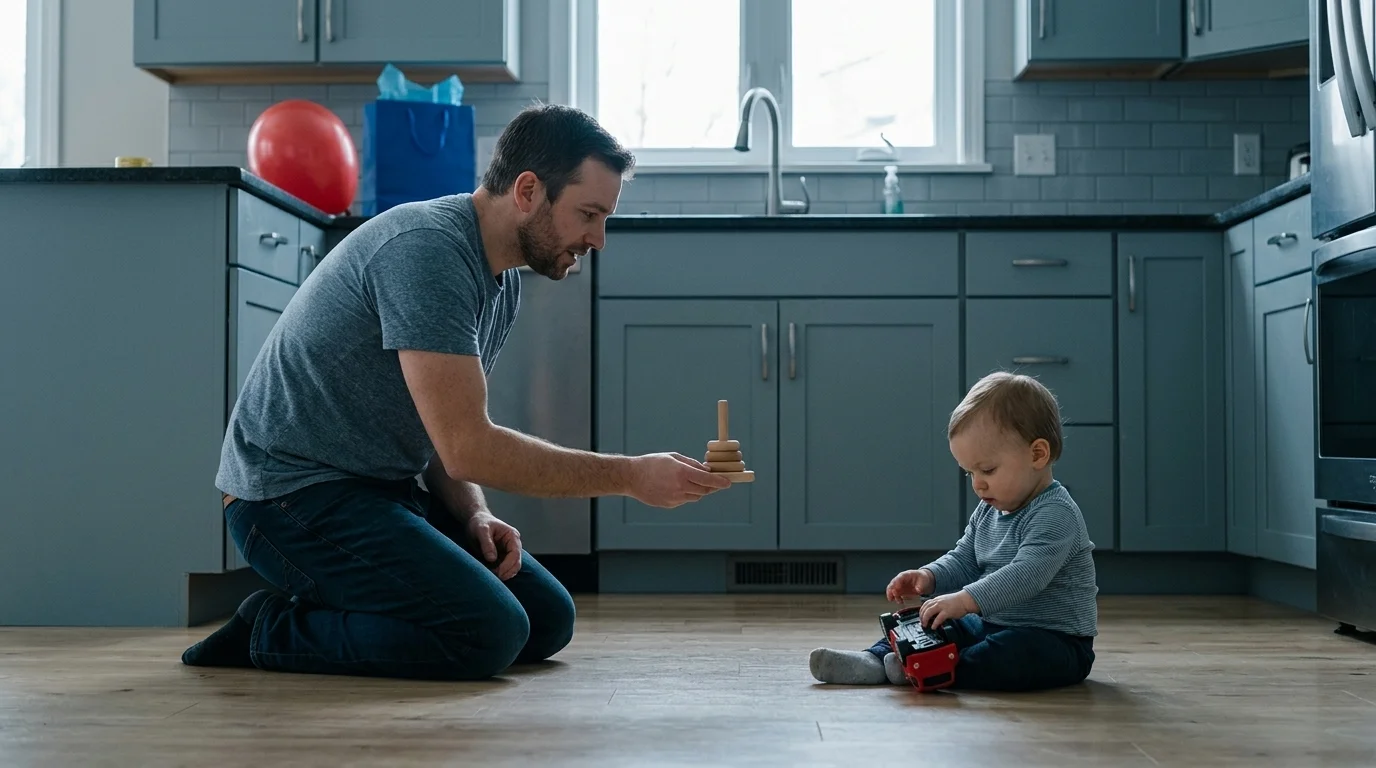
For autistic kids, speech therapy can come from a speech therapist, a behavior therapist, or both. In our practice, the BTs running daily ABA sessions reinforce the syllables and word approximations a child is working on in speech therapy, so progress compounds across the week instead of resetting between Monday and Thursday. Families looking to get specialized behavior support for your child alongside speech therapy often see faster generalization, because the same sound target is being practiced in the kitchen, the bath, and bedtime, not only in a 30-minute clinic session.
Most kids on our caseload with both autism and apraxia show their first measurable shift somewhere around weeks six through ten of consistent daily practice. Before that, the data often looks flat. We tell parents this on day one, because the third and fourth week is when most families quietly start to wonder whether anything is happening. Sometimes the early gains are not in the speech production itself; they show up in the child's tolerance for the practice, which is the rate-limiting step.
Therapists use a range of methods to target speech in autistic kids with motor speech delays. Discrete Trial Training (DTT) breaks skills into small components. Verbal Behavior (VB) teaches the function of words alongside the form. Prompts for Restructuring Oral Muscular Phonetic Targets (PROMPT) is a tactile-kinesthetic approach where the clinician physically guides the child's jaw, lips, and tongue into the right positions for a target sound.
PROMPT therapy is often particularly useful for motor speech delays like apraxia, because the child gets direct physical feedback on what their articulators need to do. Like many ABA-adjacent techniques, the effect compounds when the practitioner understands the importance of fading prompts in skill acquisition, so the child eventually produces the sound without the physical assist.
Other approaches you may hear named include Facilitated Communication (FC), Rapid Prompting Method (RPM), the Spellers Method, and Spelling to Communicate (S2C). These vary widely in their evidence base and in how they fit into a behaviorally driven plan, and they are not interchangeable. The right pick depends on the specific child.
Therapeutic Options for Speech Disorders
Beyond direct speech therapy, several supporting tools and approaches matter for kids with apraxia plus autism.
Augmentative and Alternative Communication (AAC) Methods
Augmentative and Alternative Communication (AAC) covers all the ways someone can communicate without (or alongside) spoken speech. AAC can be unaided (signing, gestures) or aided (picture cards, dedicated speech-generating devices, or apps on a tablet). It can be low tech or high tech, and most kids do better with a mix than with a single tool.
AAC is sometimes met with hesitation from parents who worry it will slow down the move toward spoken speech. The opposite tends to be true. Giving a child a reliable way to communicate while the speech work continues lowers frustration, lowers behavior challenges that come from frustration, and (in our experience) often accelerates the spoken speech, because the child is using language for real reasons every day.
Early intervention, individualized treatment, and a thoughtful AAC strategy together are what most consistently move the needle for autistic kids with co-occurring apraxia 5.
Early Detection and Intervention
Managing speech apraxia and autism is a long process. Early identification shortens it.
Importance of Early Intervention
Early diagnosis matters because it opens the door to early intervention, and early intervention is when motor speech systems are most responsive to repeated, structured practice. Better communication outcomes follow 6.
The catch: an apraxia diagnosis usually requires the child to be saying at least some words. For kids who are not yet producing words, the diagnosis can take longer. Many families wait close to a year, sometimes more, between the first concerning observation and a confident diagnosis 1.
That waiting period is where parents often feel most stuck. In our experience, families who use the waiting period to start ABA-based communication work (with or without a confirmed apraxia diagnosis) tend to land on a clearer picture faster, because by the time the SLP can run a definitive assessment, the child has more sound production to assess.
Optimizing Communication Outcomes
For autistic kids, identifying apraxia as a separate, treatable issue (rather than collapsing it into the autism diagnosis) makes a real difference in outcomes. The two need to be addressed in parallel, with the providers in regular communication so nothing is contradicted between sessions.
A coordinated multidisciplinary plan is usually the right approach. In our experience running in-home ABA therapy for autistic kids with motor speech delays, the bottleneck is rarely the technique itself; it is the alignment between providers. When the speech-language pathologist, the BCBA, and the parent are working from the same week-to-week target list, everything moves faster 8.
Early identification, paired with the right interventions and the right AAC strategy, can substantially improve a child's communication and the daily quality of life that goes with it. The role you play in noticing what is happening and pushing for the right screens is not small. It often determines how soon the real work begins.
Why Mastermind Behavior
Mastermind Behavior is a BCBA-owned and operated in-home ABA therapy provider serving families across New Jersey, Georgia, and North Carolina. We are clinicians first. Our BCBAs design the program and supervise the work; our Behavior Technicians run the trials in your kitchen, your living room, your child's bedroom, wherever the skill needs to land; our parent training coaches translate the clinical language so you have something usable by Tuesday morning. When a child on our caseload has both autism and a motor speech issue like apraxia, our BCBAs coordinate directly with speech-language pathologists so the syllable practice happening in speech therapy is reinforced inside our sessions, not contradicted. With a 90%+ staff retention rate and no onboarding waitlist, most families begin direct services within six weeks of their initial assessment.
If your child is working hard to speak and the words are still not coming out, and you are not sure which kind of help you need first, we will listen to what you are seeing at home and help you map out the next step. Call us at 732.813.7333 or schedule a free consultation. No pressure, no commitment.
References
[2]: https://www.nidcd.nih.gov/health/apraxia-speech
[3]: https://www.autismspeaks.org/expert-opinion/apraxia-speech
[7]: https://www.mayoclinic.org/diseases-conditions/childhood-apraxia-of-speech/diagnosis-treatment/drc-20352051
[8]: https://tacanow.org/family-resources/therapeutic-and-communication-options-for-speech-issues-in-autism/