PTSD vs. Autism - What Sets Them Apart?
Discover key distinctions between PTSD vs. Autism, their co-occurrence, and tailored treatment options.

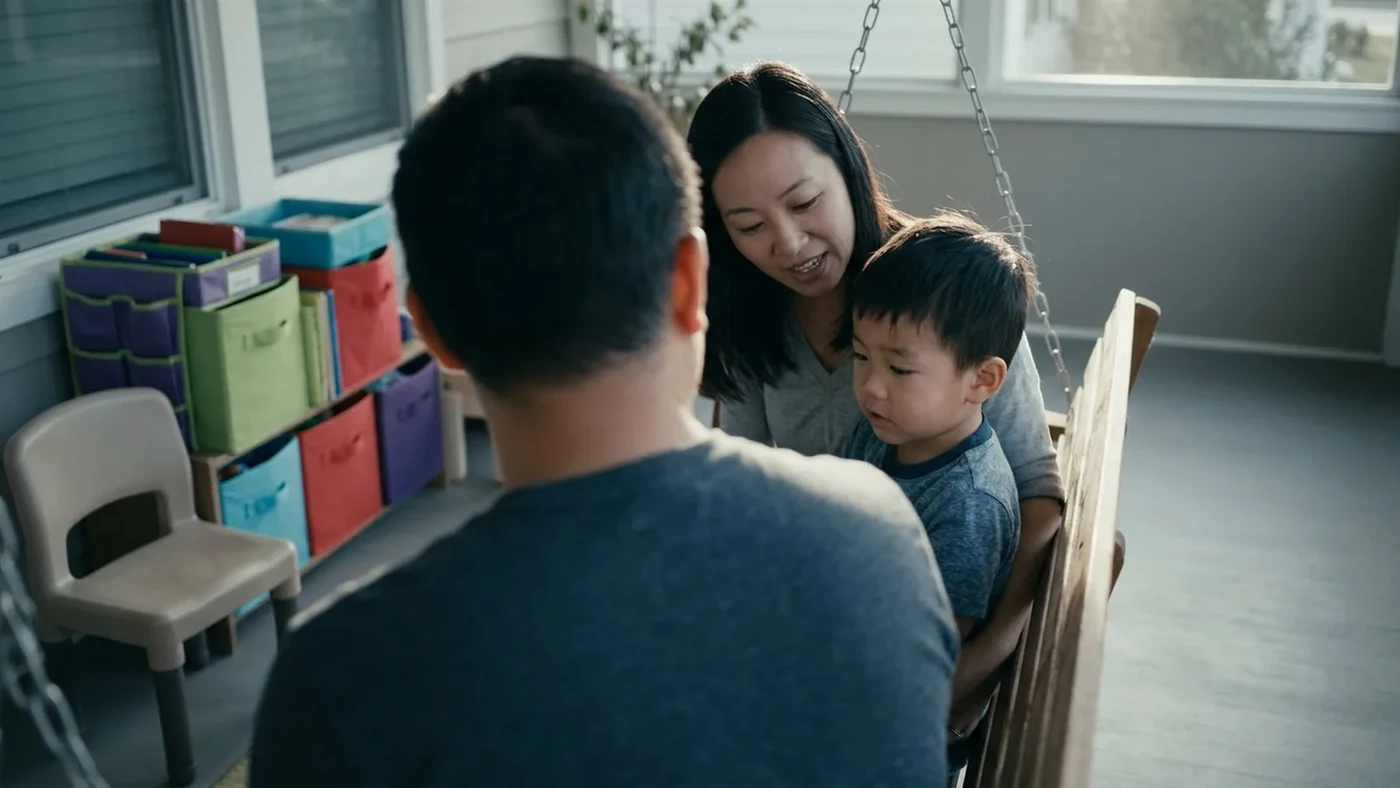
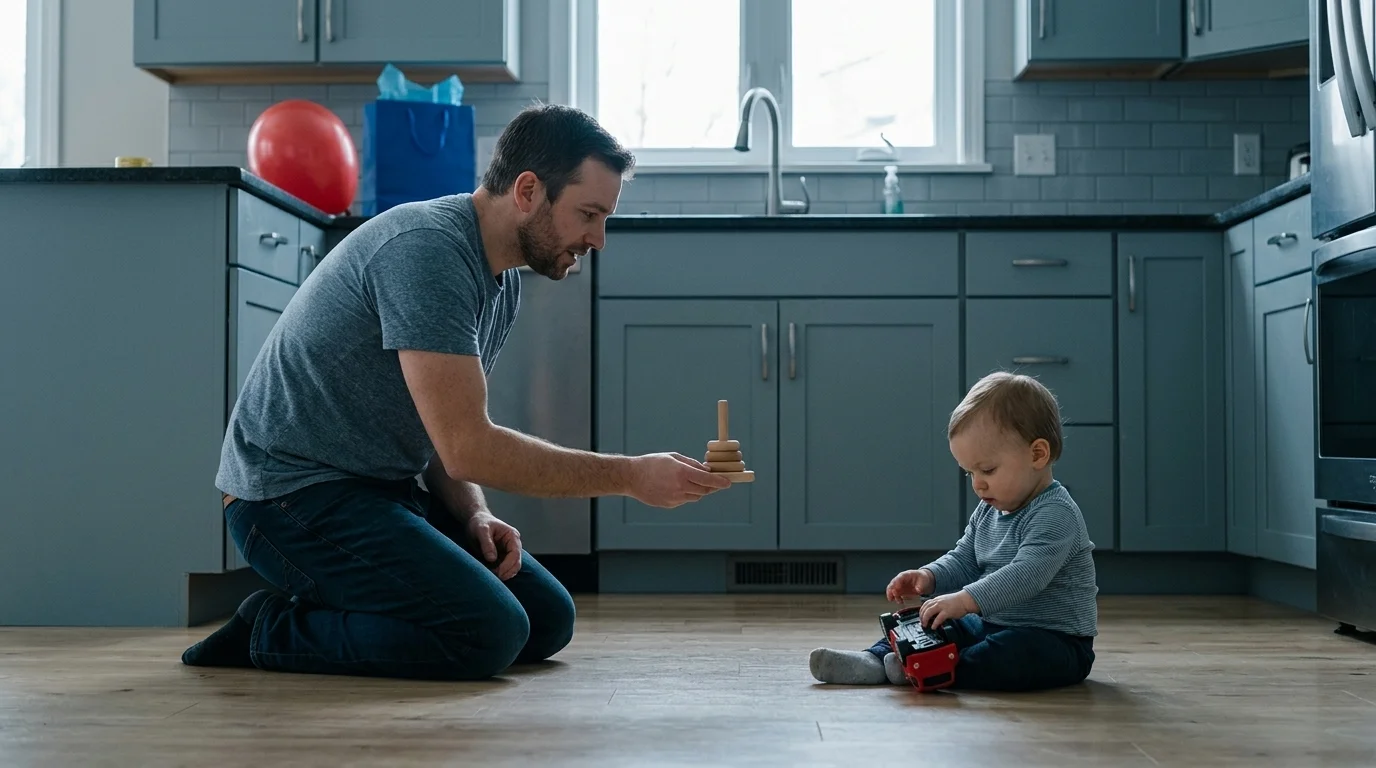
The thought you have not said out loud, the one you keep folding into a corner of your mind, is whether something changed in your child after the move. Or the hospital stay. Or the year that one relative lived with you. He was always intense. He is now intense in a way that worries you, and you cannot tell whether you are seeing his autism or whether you are seeing something else.
Trauma and autism share a lot of surface symptoms: avoidance, shutdown, meltdowns at the smallest disruption, trouble in situations that used to be fine. The overlap is real, and it is part of why many autistic kids carry an untreated trauma response for years before anyone names it. Sorting out which is which changes what helps, and what helps changes everything that comes after.
Understanding PTSD and Autism
Post-Traumatic Stress Disorder (PTSD) and Autism Spectrum Disorder (ASD) are distinct diagnoses with very different origin stories, even when the behavior on the outside can look similar. In our practice, the first thing we ask is not "which one is this," but "what is this child responding to, and what stays the same when nothing is happening." That tells us a lot.
Prevalence Rates
Research suggests autistic individuals are far more vulnerable to PTSD than the general population. Estimates of lifetime PTSD prevalence in autistic individuals range widely, from 11% to 84%, with one frequently cited figure putting probable PTSD at around 60% of autistic adults compared to roughly 4.5% of the general population.
Within the autistic population, certain groups face higher rates still. Autistic women, genderqueer individuals, and BIPOC autistics are more likely to experience PTSD, partly because they are more likely to be victimized in the first place and more likely to develop a trauma response after [2].
| Group | Probable PTSD lifetime rate |
| General population | 4.5% |
| Autistic individuals | ~60% |
| Autistic women | Higher than 60% |
Social Interaction Challenges
Both autism and PTSD can include difficulty reading social cues, trouble maintaining eye contact, and challenges in friendships. Because the surface looks similar, the conditions get mistaken for each other. The root cause is different, though. PTSD-related social difficulties usually trace back to a specific trauma history and the avoidance patterns that follow. Autism-related social differences are part of how the child's brain has always worked, well before any trauma occurred.
The distinction matters because it points to different first steps in treatment.
Commonalities in Sensory Sensitivities
One of the strongest shared features between PTSD and autism is heightened sensory sensitivity. In both conditions, the nervous system holds onto sensory input longer and reacts to it harder, which shapes the rest of the day.
Impact on Daily Life
Individuals with PTSD may become hypersensitive to specific stimuli that the brain has tagged as trauma-related, such as a particular smell, a certain tone of voice, a sound that resembles the moment something went wrong. Individuals with autism often experience sensory differences as a general feature of how their nervous system processes input, with sounds, lights, or textures landing more intensely (or less intensely) than they do for most people.
When the two co-occur, the picture stacks. Autistic sensory differences can make certain experiences more likely to register as traumatic in the first place, and a trauma response then layers new triggers on top of the existing sensory baseline.
Management Strategies
Managing sensory sensitivities in PTSD or autism usually involves two parallel moves: reducing the distressing input in the environment, and building coping skills the child can actually access in the moment. That can mean noise-cancelling headphones, fidget tools, a defined sensory break that runs on a timer rather than on willpower.
For PTSD, therapy often focuses on processing the trauma slowly and safely, with the goal of reducing the nervous system's reactivity to triggers over time.
For autism, interventions may include sensory integration work, plus everyday accommodations that match the child's actual sensory profile. When both are in play, PTSD treatment usually needs to be adapted to fit communication style, language processing, sensory thresholds, and the child's intense interests. Building the child's specific interests into therapy is often the bridge that makes the rest of the work possible 3.
For more on how autism compares with other conditions, see autism vs. aspergers and sensory seeking vs. sensory avoiding in children.
Emotional and Behavioral Regulation
Both conditions can lead to difficulty managing emotions and behavior. Intense feelings, impulsive moves, outbursts, and trouble bringing down frustration or anxiety are all common, regardless of which condition is driving them on a given day. The work of telling them apart starts with watching the patterns over time, not the single moment.
Impulsive Behaviors
In PTSD, impulsive behavior often shows up as a reaction to a trigger: a sudden shift in volume, energy, or direction that the child cannot articulate but the body is already executing. In autism, impulsivity can be a more steady-state feature, often connected to executive function differences and difficulty reading the social weight of a situation.
When both are present, the symptoms interact in ways that can be hard to track. An autistic child's existing sensory sensitivities may become more pronounced under PTSD, tipping into hyperarousal more quickly. Avoidance may show up as a retreat into repetitive behaviors or solitary activities that look like autism alone but are actually trauma-driven.
We see this pattern often: a child whose autism profile was relatively stable for years starts looking "more autistic" after a difficult event. What is actually happening is that the trauma is amplifying the sensory and regulation differences that were already there.
Strategies for Regulation
Effective emotional and behavioral regulation strategies for a child with both conditions need to be adapted for the child's neurodivergent profile. Standard trauma protocols built for neurotypical adults often miss the mark with autistic kids, especially when the communication style, sensory thresholds, or processing speed is different 3.
Anxiety is a layered concern here. Roughly 40 to 45% of youth with autism have a coexisting anxiety disorder, with anxiety-related behaviors being one of the most common presenting issues for autistic kids in clinical settings 5. When PTSD is added to that baseline, anxiety management becomes one of the first things to address, not the last.
Co-Occurrence and Risk Factors
The overlap between PTSD and autism is not coincidence. Several factors put autistic kids at higher risk for traumatic events and for the PTSD that can follow.
Vulnerability Factors
Autistic individuals are more likely than the general population to experience PTSD. The vulnerability is more pronounced for women, genderqueer people, and BIPOC autistics. Autistic women are roughly 1.5 times more likely to be victimized than their non-autistic peers, which raises their downstream risk for PTSD.
Suicidality risk is also significantly elevated, with autistic individuals being 3 to 7 times more likely to die by suicide than the general population. That risk increases further among autistic trauma survivors [2]. The numbers are part of why a trauma-aware approach is not optional in our work; it is a clinical baseline.
Trauma Experiences
When there is a trauma history, home and school need to work from the same plan. Our guide on how to foster collaboration between schools and families for children with autism covers how to set that up.
Exposure to interpersonal trauma and the absence of strong social support increase PTSD risk in any population. For autistic individuals, both factors compound: social interactions are harder to navigate by default, and victimization rates are higher, which means the trauma exposure and the protective-factor gap show up on the same page.
Autistic females, in particular, report a higher rate of negative social events than their typical peers. The pattern is consistent enough that it shapes how we screen for trauma history during intake.
Treatment Approaches
Managing co-occurring PTSD and autism requires evidence-based work that is calibrated to the specific child, not a generic protocol. Creating an effective treatment plan for children with autism gets more involved when a trauma response is also in the mix, but the core principles still hold: assess thoroughly, customize, sequence, and re-measure.
Tailoring Interventions
A treatment plan for autism plus PTSD has to be built with a neurodivergent lens. Grounding and relaxation strategies usually sit at the foundation. Somatic therapies are often layered in. Exposure therapy, when used, has to be adapted and client-led rather than therapist-driven, and standard cognitive-behavioral therapy (CBT) needs careful adjustment, since some CBT moves can deepen the negative self-schemas autistic trauma survivors are already managing.
In our practice, the goal is to get specialized behavior support for your child that is calibrated to both the autism profile and the trauma response, not one or the other. That usually means the BCBA writing the program is in regular contact with the child's psychologist or trauma therapist, with explicit rules about which interventions reinforce each other and which ones to slow down.
A child's intense interests are often the most direct route into the work. We have found that incorporating those interests into therapy is one of the most reliable ways to make trauma processing accessible for autistic kids.
Multidisciplinary Collaboration
A multidisciplinary approach is another key piece. When a child has overlapping autism and trauma needs, our BCBAs coordinate with the family's psychologist, school team, and speech-language pathologist so in-home ABA therapy becomes one piece of a connected plan rather than another isolated appointment.
One of the harder pieces of the landscape: autistic individuals with PTSD often struggle to find providers who are competent in both. There is a recurring tendency to offer medication instead of therapeutic intervention, sometimes because clinicians have been told (incorrectly) that talk therapy will not work for autistic clients. The result is a population that is over-medicated and under-supported on the trauma side.
A well-coordinated team that understands both conditions makes a meaningful difference. The work is more careful, but the outcomes hold up. For more on autism and its co-occurrence with other conditions, see our article on autism vs. aspergers.
Diagnosis Challenges and Considerations
Telling PTSD and autism apart, particularly in a child who has both, is one of the harder calls in clinical assessment. It requires more time than a single appointment can give, and it usually requires more than one clinician's eyes.
Comprehensive Evaluation
A comprehensive evaluation by a psychologist (a child psychologist, in a child's case) is the appropriate starting point 4. The picture gets more complicated when a child already carries one diagnosis and presents with symptoms that could belong to the other.
Autistic children tend to have more reactive nervous systems, which can mean a heightened, longer-lasting activation response after a difficult event. Other studies have described the autistic nervous system as less flexible in returning to baseline. Both findings argue for evaluations that take the time to look at the child's whole pattern, not just the symptoms on the day of the appointment.
Differential Diagnoses Challenges
Research on co-occurring PTSD and ASD is still thin. The available data sits inside a handful of studies, with PTSD often included as one slice of a larger meta-analysis on anxiety disorders in autism. The overlap of avoidance, repetitive play themes, and social withdrawal can make differential diagnosis genuinely difficult.
One concrete example: children with autism often have trouble with imaginative play. A child whose play is dominated by violent or danger-themed repetition, without the other typical autism markers, may actually be presenting with PTSD rather than ASD.
These overlaps argue for clinicians who know both conditions well enough to ask the right follow-up questions, especially for children who cannot yet articulate what they have experienced.
Understanding the differences between PTSD and autism can help your family navigate the next steps.
Why Mastermind Behavior
Mastermind Behavior is a BCBA-owned and operated in-home ABA therapy provider serving families across New Jersey, Georgia, and North Carolina. We are clinicians first. Our BCBAs build the treatment plan and run the supervision; our Behavior Technicians run the daily trials in your actual rooms, around your actual schedule; our parent training coaches sit with you on the harder days to translate what is happening into something you can use the next morning. When a child on our caseload is showing both autism-related needs and what looks like a trauma response, our BCBAs slow the plan down, build in grounding and sensory regulation before anything else, and bring trauma-aware language into every parent session. With a 90%+ staff retention rate and no onboarding waitlist, most families begin direct services within six weeks of their initial assessment.
If you are watching for something you cannot quite name, and you are not sure whether to call it autism or trauma or both, we will sit with you and listen first. Call us at 732.813.7333 or schedule a free consultation. No pressure, no commitment.
References
- https://www.autism.org.uk/advice-and-guidance/professional-practice/ptsd-autism
- https://www.ncbi.nlm.nih.gov/pmc/articles/PMC5920445/
[4]: https://www.medicalnewstoday.com/articles/autism-and-ptsd