The Best States for Autism Support
The best states for autism support depend on what your family needs. How California, Massachusetts, and New Jersey compare on services and laws.


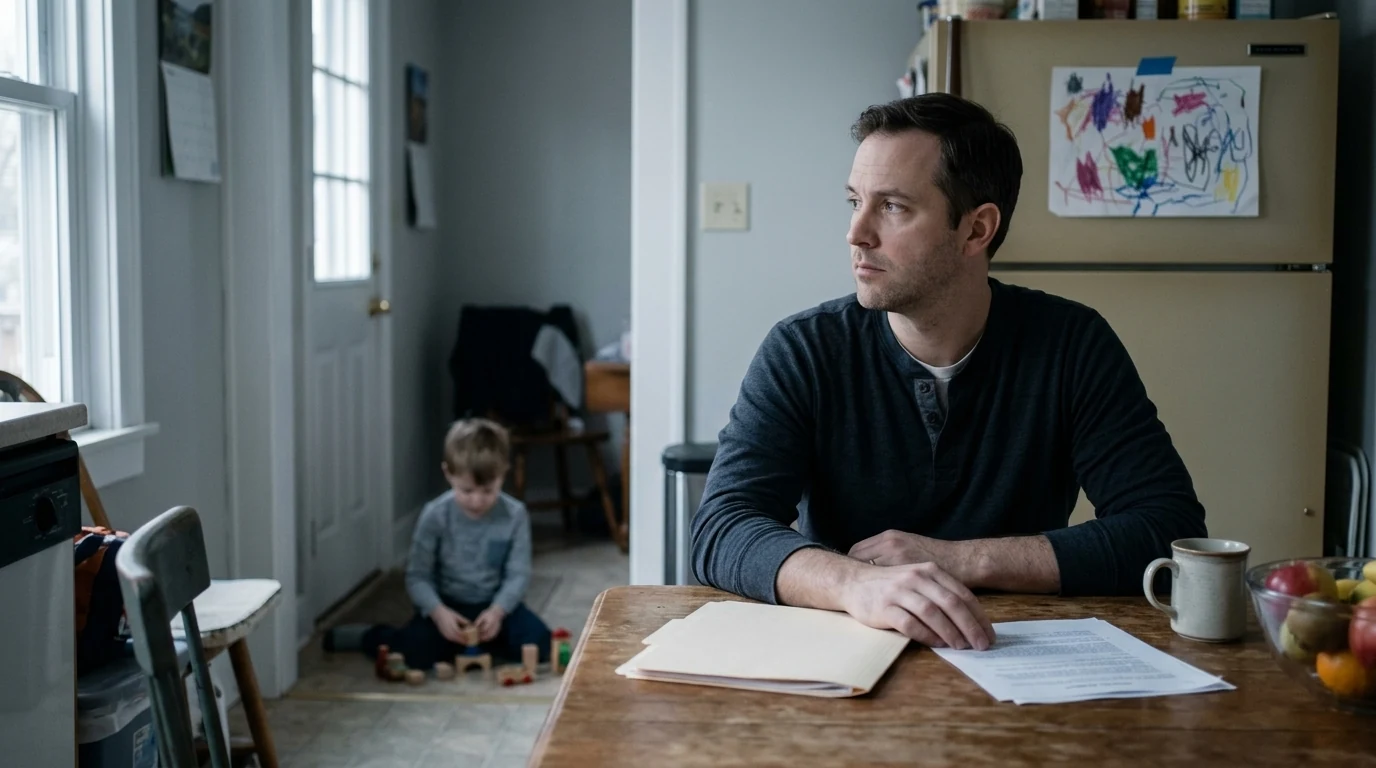
The thought you keep having, the one you have not said out loud at the dinner table yet, is whether you should move. Your child's IEP meeting did not go the way you needed it to. Every local provider has a waitlist. Someone in a Facebook group mentioned that another state has better autism services, and now you are wondering if it is true.
There is no single ranking that captures "best states for autism" cleanly. Different states lead on different things: California has the strongest entitlement framework, Massachusetts and Colorado rank high for overall family support, and New Jersey, Georgia, and North Carolina all have strong insurance mandates that fund ABA therapy without bankrupting families. What "best" looks like for your family depends on what your child needs, what your insurance and Medicaid look like, and how close you actually live to the diagnosis, therapy, and education resources that matter day to day.
This guide walks through how to compare states on prevalence, laws, insurance, and real access.
Understanding Autism Prevalence
Autism is a developmental disorder that affects millions of individuals worldwide. In the United States, the prevalence of autism varies widely from state to state. Understanding these variations can help inform strategies for providing services and support to individuals with autism and their families.
State-Level Variations
The prevalence of autism among adults differs considerably across states. According to the World Population Review, the estimated state level prevalence of autistic adults ranges from about 1.97% in Louisiana to 2.42% in Massachusetts. South Carolina is the only other state with a prevalence below 2%, while states like New Jersey, Illinois, Pennsylvania, Minnesota, California, Connecticut, and Virginia have a high prevalence above 2.3%.
The pattern looks different for children. According to figures from the CDC's ADDM Network, California has the highest identified prevalence of autism among 8 year olds, while Texas (Laredo site) had the lowest in the most recent surveillance year. The range across ADDM sites in 2022 was 9.7 per 1,000 children at the low end to 53.1 per 1,000 at the high end [1], which is the gap that most state level "best for autism" lists are really measuring.
Recent CDC Findings
According to the most recent CDC ADDM Network analysis, released in April 2025 with surveillance data from 2022, about 1 in 31 (3.2%) 8 year old children in the United States have been identified with autism spectrum disorder [1]. That is up from the 2020 estimate of 1 in 36, which was up from 1 in 44 in 2018. The figures come from 16 communities in the Autism and Developmental Disabilities Monitoring (ADDM) Network and are not perfectly representative of the entire United States, but they are the most reliable national tracking data available.
The prevalence of ASD among children of different racial and ethnic groups has shifted significantly. In the most recent ADDM report, Asian or Pacific Islander, Black, and Hispanic children all had higher identified prevalence than White children, reversing earlier patterns and signaling improved identification in historically underserved populations.
For the first time in the ADDM record, the prevalence of autism among 8 year old girls exceeded 1%, although the male to female ratio has barely shifted from the long standing 4-to-1 pattern.
Autism prevalence in the 16 ADDM communities ranged from about 1 in 103 children in Laredo, Texas to 1 in 19 in California, highlighting variations in how communities identify children with autism. These differences offer an opportunity to compare local policies and models for delivering diagnostic and intervention services to enhance autism identification and support.
Understanding the prevalence of autism in different states and among different demographic groups is critical for planning effective support services. For more information on services and support for individuals with autism, visit our pages on what is occupational therapy for autism? and weighted blankets for autism.
Factors Influencing Autism Rates
To understand the variation in identified autism rates across states, it helps to examine the factors that drive these rates. Demographic and identification patterns matter as much as the underlying biology.
Gender Disparities
There are significant gender disparities in autism identification. Boys are roughly four times more likely to be diagnosed with autism spectrum disorder than girls. The most recent ADDM report continues to show this pattern, with overall autism prevalence about four times higher for boys than girls [1]. The prevalence of autism among 8 year old girls has exceeded 1% for the first time, which still leaves a substantial diagnostic gap.
The 4-to-1 ratio has barely changed over the past decade, despite an overall rise in identified prevalence. Many researchers express skepticism that the true biological ratio is this high, suggesting that diagnostic criteria, presentation differences, and cultural expectations cause girls to be under identified [2].
Recognizing these patterns can help inform strategies to support individuals with autism and their families. The higher prevalence of identification among boys can guide the development of targeted interventions and supports, while the under identification of girls argues for more careful screening when symptoms present differently.
Importance of State Laws
State laws play a pivotal role in shaping the landscape of support and services available to individuals with autism and their families. State law operates on top of federal law and influences the quality and availability of services at a local level.
Impact on Support Services
State laws and policies contribute significantly to the available support and services for individuals with autism. While federal laws provide an overall framework for autism advocacy, variations in state laws and policies create real disparities in service quality and availability. Contributing factors include state level initiatives and the specific statutes and policies a given state has passed.
For instance, Alabama requires health benefit plans to provide coverage for the screening, diagnosis, and treatment of autism spectrum disorder for individuals under the age of 18. Alaska mandates certain insurers to provide coverage for the diagnosis and treatment of autism spectrum disorder for individuals under 21, effective January 1, 2013 [3].
Educational Policies
Educational policies also play a significant role in supporting students with autism, promoting inclusive education, and ensuring necessary support is in place. These policies ensure students with autism have access to an education that meets their unique needs, including inclusive education practices and individualized education plans (IEPs) for appropriate support and accommodations.
For instance, Arizona requires policies issued by certain health insurers to provide coverage for the diagnosis and treatment of autism spectrum disorder, including diagnosis, assessment, and services. Behavioral therapy is specifically defined as applied behavior analysis (ABA), with coverage limits set out in the statute.
In short, the laws and regulations put in place by different states for autism can greatly affect the level and types of support services available. Families benefit from understanding these laws so they can navigate the support systems and resources available where they live.
State Rankings for Autism Support
When it comes to providing support for individuals with autism and their families, certain states stand out for their services, resources, and policies.
California's Leading Role
California has established a leading role in the support of individuals with autism, ranking first in grants, state laws, and ADDM inclusion. It remains the only state that has made services and supports for disabilities a true entitlement. However, due to a lack of resources in ratio to its population (massive demand, long waitlists, expensive cost of living), California does not always rank as one of the overall best states for autism support in family experience surveys.
Supportive States Comparison
Across multi factor analyses, Colorado, Massachusetts, and New Jersey often emerge as the overall most supportive states for raising a child with autism. On the other end, West Virginia, New Mexico, and Tennessee frequently rank as the least supportive.
Several other states are also strong on autism services and support programs. For instance:
- Georgia: Recognized for strong autism services, Georgia has implemented several autism insurance laws making it easier for families to access early intervention and autism care.
- Indiana: Indiana has autism insurance mandates plus organizations that provide valuable resources, education, and support to individuals and families affected by autism.
- North Carolina: With an autism insurance mandate in place, North Carolina supports access to care without forcing families into financial hardship.
- Oklahoma: Oklahoma has an autism insurance mandate and several organizations dedicated to improving the lives of individuals with autism and their families through education, advocacy, and support.
- Utah: Utah offers a range of resources and organizations dedicated to autism services and support programs.
By understanding the autism support landscape across different states, families can make more informed decisions about where to seek care and resources. Whatever state you live in, resources like occupational therapy for autism and weighted blankets for autism can help with day to day symptom management.
Legal Rights and Protections
When considering the best states for autism, it is important to understand the legal rights and protections in place for individuals with autism. These rights, anchored by federal law and reinforced by state autism laws and policies, cover equal treatment, reasonable accommodations, education, healthcare, and housing.
Employment Accommodations
Autism should not be a barrier to gainful employment. Laws and policies require employers to provide reasonable accommodations and adjustments to support autistic individuals in the workplace. These accommodations could include assistive technologies, modified work schedules, flexible arrangements, sensory accommodations, additional training, or supports that create an inclusive work environment.
For example, an autistic adult might need certain adjustments such as a quiet workspace or use of weighted blankets for autism to manage sensory load. Employers can also provide additional training to help staff understand autism and emotions, fostering a more understanding workplace. Effective transition planning before adulthood often shapes how ready an autistic young adult is to use these workplace supports, which is why ABA therapy programs often start building vocational and self advocacy skills well before age 18.
Healthcare and Housing
In healthcare, autistic adults have the right to access services without discrimination. This includes primary care, specialized autism services, mental health support, and other necessary medical treatments. Laws and policies require insurance coverage for autism related services, including essential interventions and therapies such as occupational therapy for autism.
In housing, fair laws protect individuals with autism from discrimination, providing accommodations to support their unique needs and ensuring equal access to housing opportunities. Reasonable accommodations in housing might include modifications to policies, rules, or practices to create an inclusive and accessible living environment.
The legal rights and protections for individuals with autism shape the quality of life they can expect in different states. Understanding these rights helps families make informed decisions when comparing states for autism support.
Accessing Autism Services
Beyond prevalence and legal protections, the actual day to day question for families is how easy it is to get the services your child needs. State resource disparities and insurance specifics matter more than headline rankings.
State Resource Disparities
There is considerable variation in the availability of autism resources across different states. The average distance between an individual with autism and any of the seven resource categories (Diagnosis, Therapy, Health, Education, Recreation, Support, Other) is around 17 km nationally. However, some individuals are over 35 km away from a Diagnosis resource.
| State | Average Distance to Resources (km) |
| Alaska | 100.66 |
| New Hampshire | 9.3 |
These figures highlight the need for parents and caregivers to consider the location and accessibility of resources when choosing where to live. Greater accessibility tends to translate into better outcomes for children with autism, with shorter time to diagnosis, more therapy hours actually attended, and lower family stress.
In our practice, families who relocate for autism services often find that the state's headline ranking matters less than the specific provider network within a 30 minute drive of the home address they end up at. We see this every year: a family moves to a "top ranked" state, then realizes the local BCBAs have 12 month waitlists, the plans actually available to them through their new employer cover fewer hours than they expected, and the school district is no better than the one they left. The state matters, but the radius around your home matters more.
Insurance Coverage Considerations
Insurance coverage is another critical factor in accessing autism services. Nearly every state in the U.S. has a law requiring insurance coverage for autism treatments. However, the specifics, such as age limits and the cost categories covered for Applied Behavior Analysis (ABA) therapy, can vary significantly between states. The quality of the local provider network, the credentials of the autism behavior consultants and BCBAs available to you, and the in network status with your specific plan often matter more than the state mandate itself.
Here is a snapshot of the insurance mandates in select states:
| State | Coverage |
| Alabama | Required for individuals age eighteen or under in certain employers. Coverage includes behavioral health treatment, pharmacy care, psychiatric care, psychological care, and therapeutic care provided by licensed and certified speech therapists. |
| Alaska | Mandated for individuals under 21, effective January 1, 2013. Covered treatments include pharmacy care, psychiatric care, psychological care, habilitative or rehabilitative care, and therapeutic care provided by licensed speech-language pathologists. |
| Arizona | Required for diagnosis, assessment, and services, including applied behavioral analysis. |
| Arkansas | Mandated for health benefit plans issued or renewed on or after October 1, 2011. Treatment includes Applied Behavior Analysis, pharmacy care, psychiatric care, psychological care, therapeutic care provided by licensed speech therapists, occupational therapists, or physical therapists, and necessary equipment for evidence-based treatment determined by a licensed physician. |
| California | Required for all health care service plan contracts to provide coverage for behavioral health treatment for pervasive developmental disorder or autism no later than July 1, 2012. Treatments include professional services and treatment programs, including applied behavior analysis, speech-language pathology, and audiology. |
Details courtesy ASHA.
If you are in New Jersey, Georgia, or North Carolina, you can check your insurance coverage for in-home ABA directly with a provider, which tends to give you a clearer answer than reading the policy summary on its own.
Understanding these insurance considerations helps families navigate the complexities of accessing autism services in their respective states.
Why Mastermind Behavior
Mastermind Behavior is a BCBA owned and operated in-home ABA therapy provider serving families across New Jersey, Georgia, and North Carolina. Every plan starts with a BCBA who designs the treatment around your child's specific goals, the home environment you actually live in, and the daily routines you are trying to make easier. Behavior Technicians run the direct sessions in your living room or wherever the work needs to happen, with the BCBA on site or in regular supervision contact. Parent training coaches sit alongside you so the strategies that work in a Tuesday afternoon session are strategies you can run on a Saturday morning when nobody else is there. With a 90%+ staff retention rate and no onboarding waitlist, most families begin direct services within six weeks of their initial assessment, and the experience in New Jersey, Georgia, or North Carolina looks broadly similar in our hands because the underlying clinical model is the same in every state we work in.
If you are evaluating whether your current state actually meets your child's needs, schedule a free consultation or call 732.813.7333. We will talk through what coverage and access look like where you are, and help you figure out what your real options are without overpromising what the state rankings can tell you.
References
[1] Centers for Disease Control and Prevention (CDC). "Data and Statistics on Autism Spectrum Disorder." https://www.cdc.gov/autism/data-research/index.html
[2] STAT News. "Autism epidemic? CDC numbers tell a more complicated story." https://www.statnews.com/2023/03/23/autism-epidemic-cdc-numbers/
[3] American Speech-Language-Hearing Association (ASHA). "State-Specific Autism Mandates." https://www.asha.org/advocacy/state/states-specific-autism-mandates/