The Best Dogs for Autism
Discover the best dogs for autism, their impact, and how they can transform lives with their gentle paws.

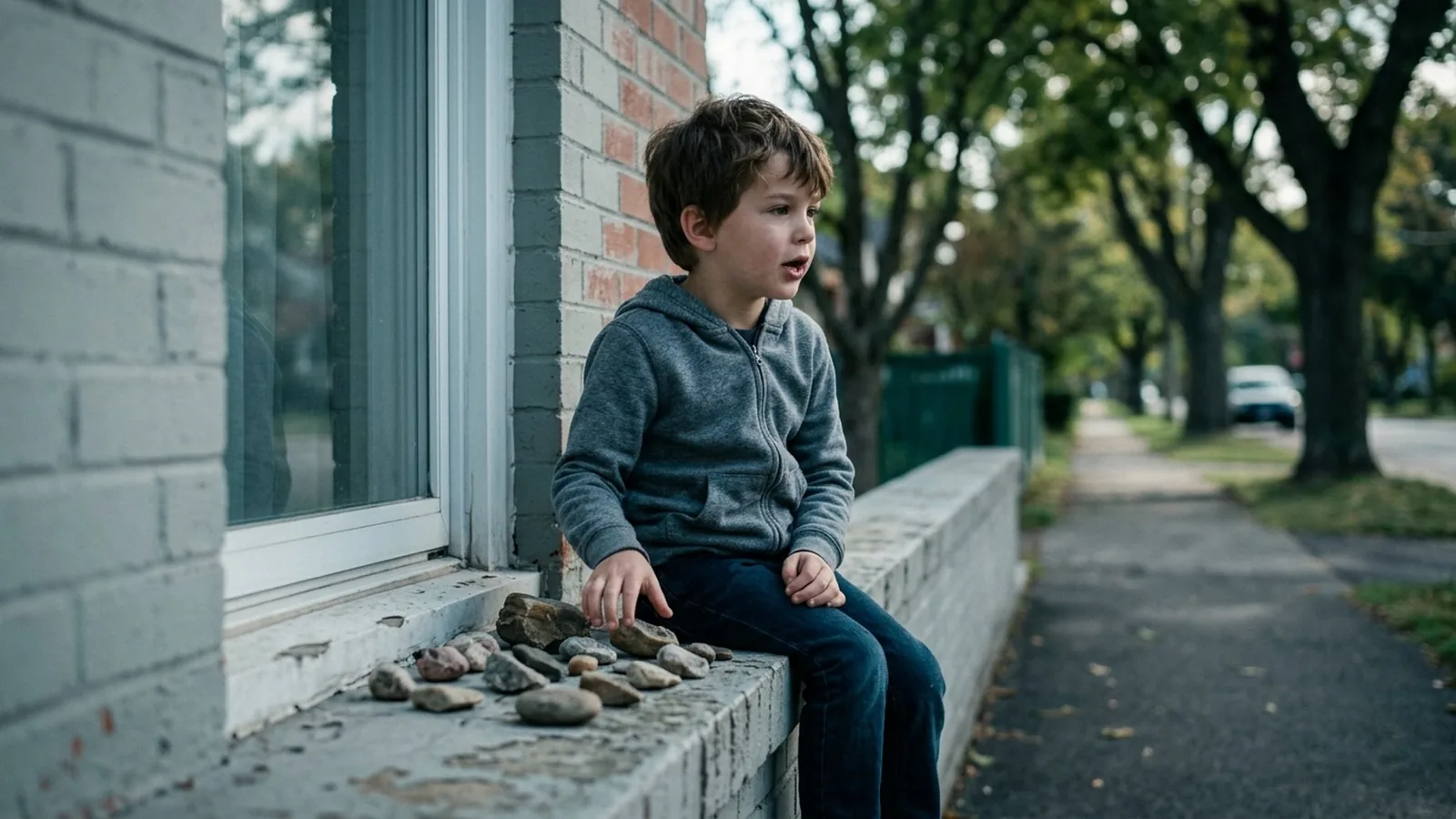
You have tried the visual schedule. The countdown timer. The reward chart. The fidget spinners, the weighted blanket, the noise-canceling headphones. Most of it helps a little, none of it has held for more than four days, and now your eight-year-old has started asking about a dog. You are not sure whether this is the thing that finally moves the needle or one more strategy that ends up in the closet by Halloween.
A dog can be a real source of support for a child with autism, and a trained autism service dog can do specific work that goes beyond companionship. Around 67 percent of U.S. households own a pet [1], and families of children with autism often find the bond does something for the child that other interventions can't quite replicate. The choices matter, though. There is a meaningful difference between a family pet, a therapy dog, and a service dog, and the costs and time commitments line up with that difference. This guide walks through which breeds tend to work well, what trained autism dogs actually do, and what families should know before deciding.
Best Dogs for Autism
The bond between a child and a dog can offer emotional support and companionship in a way that doesn't depend on language or social fluency, which is part of why families of children with autism often see it work. Certain breeds tend to fit the situation better than others.
Impact of Dogs on Autistic Individuals
Dogs can have a meaningful effect on children with autism. Research has found that close interactions with a family dog (cuddling, walking, simply being in the same room) are linked to improvements in mood, emotional regulation, and daily functioning for autistic individuals and their families. Caring for a dog gives a child a routine, a reason to move, and a steady source of nonjudgmental connection.
Dogs cannot sense autism the way they can sometimes sense a seizure, but they read body language, tone, and behavior closely and adjust their responses accordingly. That can be especially useful for a child whose social signals don't always come through to other humans the way they intend.
Role of Autism Service Dogs
Autism service dogs are trained specifically to support a person on the spectrum. They can help with social confidence, interrupt self-injurious behaviors, anchor a child during transitions, and respond to specific cues their handler gives them. They are trained to provide emotional support by sensing and responding to their handler's state, which can mean reducing anxiety, helping the child stay regulated, and providing the kind of steady presence that turns down the volume on a hard day [3].
A trained autism service dog can also do specific physical tasks: retrieve items, provide deep pressure as a calming input, and in some programs anchor a child who tends to bolt or wander, which can be one of the biggest safety concerns for parents. That last one (tethering a child to a service dog for safety in public) is one of the most common reasons families pursue this kind of program.
As of 2022, there were 64 non-profit organizations accredited by Assistance Dog International worldwide that place service dogs specifically for autism. These organizations provide specialized training for dogs to perform tasks that directly assist individuals with disabilities, including autism [4].
Choosing the right dog for a child with autism is a matching exercise. You are matching the child's specific needs, the family's routine, and the dog's breed and temperament. The sections that follow walk through the breeds most often recommended and what families should weigh before committing.
Top Breeds for Autism Assistance
A few breeds turn up again and again in autism service-dog programs and in general recommendations. The reasons usually come down to temperament, trainability, and physical traits that fit specific tasks.
Golden Retrievers
Golden Retrievers are one of the most consistently recommended breeds for children with autism. They are known for their patience, even temperament, and very low aggression, which matters in a household with a child who may grab, hug too tight, or get loud unpredictably. Their intelligence and trainability make them strong candidates for service-dog work, and their affectionate, settle-in-with-you nature gives them a natural role as a calming presence.
Goldens are good at reading a child's emotional state, which is something we hear from parents on our caseload when they describe how their dog interacts with their child. In our practice we see this with siblings more than you'd expect (a neurotypical older sister becomes the family translator, and a well-trained dog often does something similar). Goldens also respond well to the kinds of structured routines families of children with autism tend to use, and the dog often becomes part of the routine rather than an extra thing to manage.
Bernese Mountain Dogs
Bernese Mountain Dogs are gentle, calm, and patient despite their size. Their slower, steadier energy can fit well in a family where a child needs predictable input and a stable presence in the room. They are loyal and protective without being reactive, which matters in households where the child is sensitive to sudden movement or loud reactions.
The size does need to be weighed honestly. A Bernese can outweigh a six-year-old, and the dog's exercise, grooming, and space needs are real. In smaller homes, a smaller breed may fit better even when temperament is identical.
Great Danes
Great Danes are surprisingly gentle for their size. They are calm, patient, and well-suited to full-body hugs from a child who seeks deep pressure input. Some autism programs deliberately match Great Danes to older children specifically because the size makes them effective for tethering work and deep-pressure tasks.
The flip side of the size is the same set of practical questions as with Bernese Mountain Dogs. Space, exercise, lifespan (shorter than smaller breeds), and cost of food and veterinary care all factor in. For the right family, these dogs are extraordinary. For families in apartments or with limited bandwidth, a smaller breed is usually a better fit.
For families weighing breeds and weighing whether a dog is the right addition right now, strategies for increasing motivation in therapy sessions is a useful read on how to build on whatever the child already finds reinforcing, which is often where a family pet ends up playing a real role.
Ideal Breeds for Autism Assistance
A second group of breeds is worth knowing about, especially for families dealing with allergies or working with specific service-dog programs.
Standard Poodles
Standard Poodles are intelligent, affectionate, and eager to please, which makes them strong candidates for autism assistance work. They can be trained for a wide range of tasks: anchoring a child in a crowd, identifying signs of an anxiety spike, interrupting self-injurious behavior, and providing the kind of consistent emotional anchor a child with autism may need in public settings.
They are also hypoallergenic, which matters in families where a parent or sibling has dog allergies that would otherwise rule the option out. The grooming needs are real (regular professional grooming is part of the deal), but for many families that tradeoff is worth it.
Large Doodles
Large Doodles (Goldendoodles, Labradoodles, Bernedoodles, Boxerdoodles) share the hypoallergenic trait of poodles while inheriting the temperament of the second parent breed. A Goldendoodle, for example, tends to combine the Golden Retriever's patience with the Poodle's intelligence and lower-shedding coat.
These dogs are usually friendly, intelligent, and trainable. They can learn to recognize a child's anxiety triggers and physically redirect them to a calmer space [5]. Quality varies by breeder, and reputable breeders who screen for temperament and health are worth the extra cost.
Labrador Retrievers
Labrador Retrievers are one of the most common service-dog breeds in the world for a reason. They are friendly, patient, intelligent, and easy to train. They handle the variety of environments a service dog has to work in (school, grocery store, doctor's office, airport) without getting reactive, and they're well-suited to children with autism who benefit from a steady, calm companion.
Labs are also one of the most common therapy dog breeds, which is a different role from service dog. A therapy dog provides comfort and emotional support but doesn't have public-access rights or task-specific training. Many families end up with a Lab in the family pet role, and that often does most of what they were hoping for [6].
Choosing the right breed makes a real difference. Whichever breed a family lands on, the work of integrating the dog into the household routine is what determines whether the relationship holds.
Training and Benefits of Service Dogs
Service dogs are trained, not just bonded. The training is what separates a service dog from a well-loved family pet, and it's where most of the cost goes.
Training Service Dogs
Service dogs are trained to perform specific tasks on command from their handler [2]. For autism service dogs, that can mean guiding a child through a crowd, alerting a parent when a child is escalating, interrupting self-injurious behavior, applying deep-pressure calming on cue, or anchoring a child who would otherwise wander.
The cost of training a service dog can exceed $25,000 and often runs higher. That figure typically includes the training of the person with a disability who receives the dog and periodic follow-up training to keep the dog reliable in the role (American Kennel Club). Families can sometimes offset this through grants, nonprofit programs, or fundraising, and that is the route most families take rather than paying out of pocket.
As of 2022, there were 64 non-profit organizations accredited by Assistance Dog International that place service dogs specifically for autism. Most have application processes, waiting lists, and family-fit interviews.
Benefits of Autism Service Dogs
Autism service dogs can offer a meaningful set of benefits for the right family. They provide emotional support by sensing and responding to their handler's state, which translates to lower anxiety, more consistent regulation, and a sense of security a child can rely on day to day [3].
They can also provide physical assistance: retrieving items, applying deep pressure on cue, and tethering a child for safety in public. Many parents tell us the single biggest change after their child got a service dog was being able to go places they had stopped going (the grocery store, a restaurant, a park) because the dog made those environments manageable [3].
Whether a service dog is the right move depends on the child, the family, and the practical realities (cost, waiting time, space, the child's actual relationship with dogs). For many families, a well-chosen family pet, paired with consistent therapy and a good behavior plan, does most of what they were hoping for. For others, a trained service dog opens doors that nothing else can.
Therapy Dogs for Autism
Therapy dogs are a different role from service dogs. They visit schools, hospitals, and therapy sessions to provide comfort and emotional support, and they don't have the same public-access rights or task-specific training as service dogs. For some children with autism, regular sessions with a therapy dog can be a meaningful part of a broader support plan.
Labrador Retrievers
Labrador Retrievers are widely used as therapy dogs for the same reasons they're used as service dogs: they're friendly, patient, and easy to train. They tend to handle the variety of children and environments a therapy dog encounters without getting reactive, and their loyal, settled disposition helps create a calm space for the child to relax into [8].
Golden Retrievers
Golden Retrievers also make exceptional therapy dogs. Their patience and emotional sensitivity let them adapt quickly to the needs of the child they're working with [8]. They're often the dog you see in therapy waiting rooms and school visit programs, and many children with autism warm up to a Golden faster than they warm up to most strangers.
Beagles
Beagles bring something different to therapy work. They're smaller, calmer than their hunting reputation suggests, and well-mannered when trained for the role. The smaller size can make them less overwhelming for a child who finds large dogs intimidating. Their friendly demeanor and their adaptability make them a good fit for therapeutic work, especially in settings where space is tight.
Whichever breed fits, therapy work is most useful when it's part of a broader plan that also includes consistent ABA, a sensible behavior plan, and a family routine that supports the work. The importance of celebrating small successes in therapy lays out how those smaller wins (the kind a therapy dog often surfaces) compound over time.
Service Dog Considerations
A service dog is a serious commitment, and the practical realities matter more than the symbolic appeal of the idea. Two considerations stand out: cost and the legal and training landscape.
Cost of Service Dogs
Service dogs cost a lot to obtain and train. Typical ranges run from $12,000 to $30,000, with some specialized service dogs costing as much as $50,000. The cost typically includes the training of the handler who receives the dog and periodic follow-up training to keep the dog working reliably [9].
| Cost Component | Estimated Cost |
| Training a service dog | $25,000 |
| Purchasing a service dog | $15,000 - $30,000 |
| Specially trained service dogs | Up to $50,000 |
These figures don't include the ongoing costs of caring for the dog: food, grooming, veterinary care, and equipment. Most families don't pay the full sticker price out of pocket. Nonprofit programs, grants, fundraising, and occasionally insurance can cover meaningful portions, and that is usually how families finance the program. The waiting time is the other piece. Most accredited programs have multi-year waitlists, so families exploring this option should start the process earlier than they think they need to.
Legal and Training Regulations
Service dogs are protected by the Americans with Disabilities Act, which gives them public-access rights that emotional-support animals and therapy dogs don't have. Misrepresenting a pet as a service dog is illegal in most states and undermines the work of legitimate service-dog teams. The AKC Government Relations team has tracked more than 150 laws since 2016 related to service-dog misuse.
The Association of Service Dog Providers for Military Veterans developed "CGC Plus," a minimum training and behavior standard for service dogs, incorporating the AKC Canine Good Citizen test into service-dog requirements. While the standard was developed for veterans' service dogs, it gives families a useful baseline for what a properly trained service dog should be able to do.
Service dogs can make a real difference for the right family. The decision depends on the child's specific needs, the family's bandwidth, and a clear-eyed look at the costs (time, money, and the years of work that go into integrating a working dog into a household).
Why Mastermind Behavior
Mastermind Behavior is a BCBA-owned and operated in-home ABA therapy provider for families across New Jersey, Georgia, and North Carolina. A service dog or a family pet works best when it sits inside a broader plan, not as a substitute for one. Our BCBAs build behavior plans around the child's actual life, which often includes a family dog by the time we start. Our Behavior Technicians run sessions in your home, on your rug, with the dog in the room when that helps. Our parent training coaches walk you through how to use the dog as a regulation tool without overloading the dog or the child. With a 90%+ staff retention rate and no onboarding waitlist, most families begin direct services within six weeks of their initial assessment.
If you are weighing whether a dog (pet, therapy, or service) fits your child's plan and you want a provider that helps you think through the practical pieces alongside the behavioral ones, schedule a free consultation or call us at 732.813.7333. We are happy to listen to what you've already tried and what you're still considering. No pressure, no commitment.
References
- American Pet Products Association. National pet owners survey. https://www.americanpetproducts.org/research-insights/
- American Kennel Club. Service dog training 101. https://www.akc.org/expert-advice/training/service-dog-training-101/
- Autism Speaks. Service dogs and autism. https://www.autismspeaks.org/expert-opinion/service-dogs-autism
- Assistance Dogs International. Accredited members. https://assistancedogsinternational.org/main/
- National Autism Association. Autism service dogs. https://nationalautismassociation.org/
- Autism Society. Autism and pets. https://autismsociety.org/