Autism Services for Adults in Arizona
Discover top autism services for adults in Arizona, from support programs to vocational training and housing assistance.


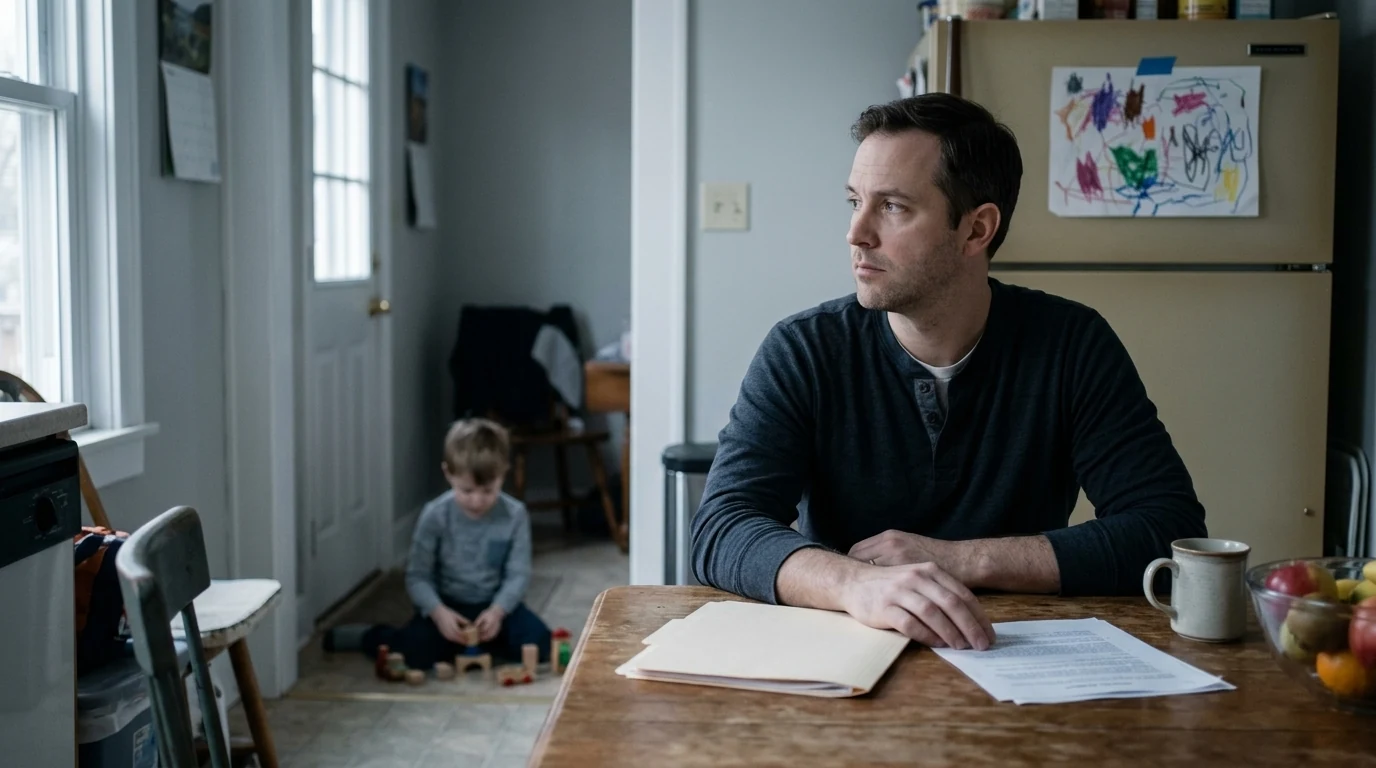
The thought you keep having, the one you don't say out loud at your kid's birthday party, is about what happens after high school. Your seven-year-old is doing well. You found a good ABA team. He's reading. He's making eye contact with his cousin without you cueing it. And still, somewhere in the back of your head, you're already trying to figure out what Arizona has for adults with autism, because you don't want to be the parent who gets to age twenty-one without a plan.
If you're searching for adult autism services in Arizona, here is the actual map: state programs, vocational supports, behavioral health, housing, and legal advocacy. Some of this matters now (early intervention sets the foundation), and some matters later. The point is knowing what's there before you need it.
Autism Services in Arizona
Arizona offers a network of support for individuals with autism and their families. These services include specialized schools, therapeutic services such as applied behavior analysis (ABA) therapy, speech therapy, and occupational therapy. Additionally, community support is provided through various organizations, schools, and programs.
The state provides early intervention services for children under the age of three who are at risk for developmental delays, even without a formal ASD diagnosis. For children over the age of three, an evaluation for developmental delays can be initiated by contacting the local school district.
Arizona's ASD Advisory Committee, established in April 2015, focuses on enhancing services for individuals with Autism Spectrum Disorder (ASD) in areas such as early intervention, education, healthcare, and community integration. The committee includes healthcare professionals, educators, community leaders, parents, and individuals with ASD [1].
Best States for Autism Care
While Arizona provides robust services for autism care, it is helpful to compare it with other states to understand the overall landscape of autism services in the US. The Arizona Autism Insurance Law requires insurers to cover ASD diagnosis and treatment, including behavioral health services, making necessary treatments more accessible and affordable for families dealing with autism. The state also offers benefits like the Arizona Early Intervention Program (AzEIP) and specialized schools that provide ABA therapy.
To assess the quality of autism services, factors such as early intervention programs, educational support, healthcare access, and community integration initiatives are important. Here is a comparative table showing some of the best states for autism care:
| State | Early Intervention Programs | Educational Support | Healthcare Access | Community Integration |
| Arizona | Yes | Yes | Yes | Yes |
| California | Yes | Yes | Yes | Yes |
| Massachusetts | Yes | Yes | Yes | Yes |
| New Jersey | Yes | Yes | Yes | Yes |
| Pennsylvania | Yes | Yes | Yes | Yes |
For more information on autism care plans and other related services, you can explore our articles on autism nursing care plan and autism treatment evaluation checklist.
Arizona also emphasizes competitive integrated employment as the preferred outcome for individuals with disabilities through the AZ Employment First initiative. The state provides vocational rehabilitation programs, such as the DES Vocational Rehabilitation program, to assist individuals with disabilities, including autism, in overcoming barriers to employment.
By leveraging these services and support programs, individuals with autism in Arizona have access to a range of resources to help them thrive. For families looking ahead from earlier life stages, the skills targeted now in early intervention and skill development (communication, self-advocacy, flexibility under pressure, daily living routines) are the same skills that show up later in whether a young adult can hold a job and live independently.
Support Programs in Arizona
Workability/UCPSA offers a variety of employment supports for transition-age youth and adults with disabilities in Arizona. Their services include Work Readiness Skills, Job Coaching, Self-Advocacy Training, and Disability Awareness Training for Employers [1]. These programs aim to empower individuals with autism to participate in the workforce.
| Service | Description |
| Work Readiness Skills | Training on essential job skills |
| Job Coaching | Personalized support to help find and retain employment |
| Self-Advocacy Training | Teaching individuals to effectively communicate their needs |
| Disability Awareness Training | Educating employers on disability inclusion |
For more information, visit the autism treatment evaluation checklist.
Division of Developmental Disabilities (DDD) Support
The Division of Developmental Disabilities (DDD) in Arizona provides comprehensive services for adults with developmental disabilities, tailored to individual needs. These services are provided in both home and community settings and are authorized and monitored by a support coordinator. For many Arizona families, the DDD intake process is one of the earlier formal steps in the adult-services pipeline, often initiated in the year before a child ages out of school-based services.
| Service | Description |
| In-Home Services | Personalized care and support at home |
| Community Integration | Programs to integrate individuals into the community |
| Support Coordination | Ongoing monitoring and authorization of services |
For further details, see the autism nursing care plan.
Project SEARCH Opportunities
Project SEARCH in Arizona focuses on providing competitive employment opportunities for students and young adults with developmental disabilities. Over 70% of Project SEARCH graduates secure jobs in host or similar businesses [1]. This program is one of the more reliable pipelines from school-age services into actual paid employment.
| Metric | Data |
| Employment Rate | 70% of graduates |
| Employment Type | Competitive jobs in various industries |
To learn more, check out our article on family autism care team.
These support programs are crucial for adults with autism in Arizona, providing them with the tools and opportunities needed to integrate into society and pursue their goals.
Advocacy and Legal Support
Navigating the array of autism services for adults in Arizona can be daunting. Advocacy and legal support are critical for ensuring that individuals with autism receive the services and protections they need. Several organizations in Arizona offer essential support in this area.
Arizona Center for Disability Law
The Arizona Center for Disability Law (ACDL) is a non-profit law firm dedicated to assisting individuals with disabilities. ACDL works to protect and promote the legal rights of Arizonans with disabilities, ensuring they have access to independence, justice, and equality. They provide a wide range of services, including legal representation, advocacy, and education.
| Service | Description |
| Legal Representation | Assists with disability-related legal issues |
| Advocacy | Promotes disability rights |
| Education | Provides information on legal rights and resources |
Visit the Arizona Center for Disability Law for more information on their services.
DIRECT Center of Independence
The DIRECT Center of Independence is another pivotal organization advocating for disability rights and justice in Arizona. They empower individuals to achieve their self-identified independent living goals and promote the independent living philosophy. DIRECT provides various programs and services aimed at enhancing the quality of life for individuals with disabilities.
| Service | Description |
| Independent Living Skills | Training and support for independent living |
| Peer Support | Connecting individuals with similar experiences |
| Advocacy | Promoting disability rights and justice |
Learn more about DIRECT Center of Independence by visiting their official website.
Rehabilitation Services Administration (RSA)
The Rehabilitation Services Administration (RSA) in Arizona provides leadership and resources to assist state agencies in offering vocational rehabilitation and other services to individuals with disabilities. RSA's mission is to maximize the employment, independence, and integration of individuals with disabilities into the community.
| Service | Description |
| Vocational Rehabilitation | Support for job training and employment |
| Independent Living Services | Resources for independent living |
| Community Integration | Programs to integrate individuals into the community |
For more details, visit the Rehabilitation Services Administration.
These organizations play a crucial role in supporting adults with autism in Arizona. For additional resources, consider exploring our articles on the autism nursing care plan and the autism treatment evaluation checklist.
Behavioral Health Services in Arizona
Autism services for adults in Arizona encompass a range of behavioral health services designed to support individuals with autism spectrum disorder (ASD) in leading fulfilling lives. This section explores two prominent providers: Arizona Complete Health Services and AHCCCS Autism Services.
Arizona Complete Health Services
Arizona Complete Health Services offers comprehensive care that includes both medical and behavioral health services for individuals with an autism diagnosis who are enrolled in the Arizona Health Care Cost Containment System (AHCCCS). The holistic approach ensures that individuals receive well-rounded support tailored to their unique needs.
Key Services Provided:
- Medical care coordination
- Behavioral therapy
- Counseling and psychiatric services
- Family support and education
These services aim to enhance the overall well-being of individuals by addressing both their physical and mental health needs. For more details on care plans, visit our autism nursing care plan page.
AHCCCS Autism Services
AHCCCS offers an array of services specifically designed for the treatment of Autism Spectrum Disorder (ASD). The program welcomes public comments related to these services, ensuring that they are continuously improved to meet the community's needs [2].
Key Features:
- Applied Behavior Analysis (ABA) therapy
- Speech and occupational therapy
- Parent and caregiver training
- Community-based services
AHCCCS is committed to providing quality care that promotes the independence and integration of individuals with ASD into the community. For more information on evaluating treatment options, check out our autism treatment evaluation checklist.
By leveraging these behavioral health services, individuals with autism in Arizona can access the support they need across various aspects of their lives. The integration of medical and behavioral health services ensures a more coordinated approach to autism care, addressing both physical and mental well-being.
Employment and Vocational Programs
Supporting adults with autism in their journey toward employment and independence is a critical aspect of autism services in Arizona. Various programs and initiatives are available to help individuals develop work readiness skills, receive job coaching, and access vocational rehabilitation programs.
A pattern that shows up across most of these programs is that the underlying skill set determines whether the supports work. Job coaching helps the most when an adult can already accept feedback from a non-family member. Vocational rehabilitation helps the most when an adult can tolerate routine changes without major disruption. Those underlying skills get built in the years before adulthood, which is part of why parents of younger children are increasingly asking about long-horizon planning rather than waiting until age twenty.
Work Readiness Skills
Work readiness skills are essential for individuals with autism to succeed in the workplace. These skills encompass a range of abilities, including communication, teamwork, problem-solving, and time management. Programs like Workability/UCPSA provide comprehensive work readiness training for transition-age youth and adults with disabilities in Arizona. They offer self-advocacy training and disability awareness training for employers to create inclusive work environments.
| Skill Area | Description |
| Communication | Enhancing verbal and non-verbal communication skills |
| Teamwork | Developing the ability to work collaboratively with others |
| Problem-Solving | Learning strategies to address and resolve workplace challenges |
| Time Management | Improving skills to manage tasks and meet deadlines |
Job Coaching and Development
Job coaching and development are vital components of successful employment for individuals with autism. Workability/UCPSA provides job coaching services that offer one-on-one support to help individuals navigate the workplace, understand job expectations, and develop necessary skills. Job coaching also includes assisting with job searches, interview preparation, and on-the-job training.
Programs like the AZ Employment First initiative emphasize competitive integrated employment as the preferred outcome for individuals with disabilities. This initiative aims to create a more inclusive workforce by providing the necessary supports and accommodations.
Vocational Rehabilitation and Suitable Fields
Vocational rehabilitation programs are designed to help individuals with autism overcome barriers to employment and achieve their career goals. In Arizona, the DES Vocational Rehabilitation program offers a range of services, including career counseling, job placement assistance, and skills training. These programs are tailored to meet the unique needs of each individual.
| Program | Services Offered |
| DES Vocational Rehabilitation | Career counseling, job placement assistance, skills training |
| Arizona@Work | Workforce development, job skills training, employment opportunities |
| Arizona Developmental Services | Life skills development, job skills training, support services |
Individuals with autism often do well in job types that align with their strengths. Common fit areas include:
| Field | Skills Utilized |
| Information Technology | Problem-solving, analytical thinking, coding |
| Engineering | Attention to detail, logical reasoning |
| Accounting/Finance | Numerical precision, detail orientation |
| Art/Design | Creativity, focus on detail, visual skills |
That said, the field matters less than the workplace match. A flexible, supportive employer in any field tends to outperform a "right field" placement at a workplace that doesn't accommodate. Federal support tools that supplement state-level programs include job training grants, employer hiring incentives, and vocational rehabilitation services administered through state agencies.
By participating in these employment and vocational programs, adults with autism in Arizona can build the skills and confidence needed to pursue meaningful work. For more information on related services, check out our article on family autism care team.
Initiatives and Support Networks
Addressing barriers to employment requires a multifaceted approach that includes community empowerment and government programs. These initiatives play a vital role in supporting individuals with autism as they transition into the workforce.
Community Empowerment
Community initiatives and support networks are crucial for empowering individuals with autism in their professional journeys. These programs provide resources, guidance, and opportunities for skill development, employability enhancement, and networking.
| Community Initiatives | Description |
| Skill Development Workshops | Workshops that focus on developing specific job-related skills for individuals with autism. |
| Networking Events | Opportunities for individuals to connect with potential employers and mentors. |
| Support Groups | Groups that provide emotional and practical support for individuals navigating employment challenges. |
These community-driven efforts help create a supportive environment where individuals can build confidence and develop employability.
Government Programs
Government programs at the federal and state levels also help address barriers faced by individuals with autism in the job market. Several initiatives provide employment opportunities and necessary support.
| Government Programs | Description |
| Ticket to Work Program | Offers vocational rehabilitation services and job placement assistance for individuals with disabilities. |
| Workforce Innovation and Opportunity Act (WIOA) | Provides funding for training programs aimed at improving the skills of individuals with disabilities. |
| Disabled Access Credit | Offers tax incentives to businesses that provide access for individuals with disabilities. |
| Work Opportunity Tax Credit | Provides tax credits to employers who hire individuals from certain target groups, including those with disabilities. |
These programs are designed to help individuals with autism find jobs and increase their chances of meaningful employment. The connection back to childhood services is direct: kids who receive strong, generalized behavior support and skill-building in their natural environments tend to enter these adult programs already equipped to use them.
Housing and Community Support
Arizona offers a range of housing and community support services for adults with autism. These services aim to provide stable living environments and foster community integration.
Housing Assistance Programs
Arizona provides various housing support programs designed to meet the unique needs of individuals with autism. These programs offer financial assistance, housing counseling, and access to supportive housing.
| Program | Services Offered |
| Section 8 Housing | Rental assistance for low-income individuals |
| Arizona Housing Coalition | Advocacy, education, and support services |
| Local Nonprofits | Housing assistance, advocacy, and education |
For more detailed information about these programs, you can explore our autism nursing care plan page.
Supportive Housing Services
Supportive housing services in Arizona are designed to create safe and accommodating living environments for adults with autism. These services often include on-site support staff, access to healthcare, and various therapeutic services.
- Group Homes: These homes provide a community living space with 24/7 support staff.
- Independent Living: Assistance for those who are capable of living independently with occasional support.
- Assisted Living: Facilities that offer more intensive support and medical care.
Supportive housing services are crucial for ensuring that individuals with autism can live fulfilling lives. Learn more about these services from our family autism care team page.
Community Integration Initiatives
Community integration initiatives aim to help adults with autism become active and engaged members of their communities. These programs focus on social skills, employment opportunities, and recreational activities.
| Initiative | Focus |
| Vocational Training | Job readiness and employment skills |
| Social Clubs | Socialization and community engagement |
| Recreational Programs | Activities and events tailored for individuals with autism |
For further insights into how these initiatives work, visit our page on autism treatment evaluation checklist.
By leveraging these housing and community support services, adults with autism in Arizona can access the resources they need to live full lives. For more information on the various programs available, refer to our article on can level 2 autism be cured.
Why Mastermind Behavior
Mastermind Behavior is a BCBA-owned and operated in-home ABA therapy provider serving families across New Jersey, Georgia, and North Carolina (we serve children with autism through age 21, so adult services in Arizona sit outside our direct footprint). Every clinical decision starts with a Board Certified Behavior Analyst (BCBA) who designs your child's program, sets the goals, and adjusts the plan based on session data. From there, our Behavior Technicians (BTs) run the day-to-day teaching trials in your actual living room, kitchen, or backyard, with weekly BCBA supervision so the work stays sharp. The reason this matters for adult outcomes is simple. The skills that determine whether a young adult can hold a job, manage a routine, and live with independence are usually the same skills we work on with five-year-olds, seven-year-olds, and twelve-year-olds in your home. Self-advocacy. Daily living skills. Flexibility under pressure. Communication when something doesn't go as planned. The earlier those get reinforced in real settings, the better the runway later. With a 90%+ staff retention rate and no onboarding waitlist, most families begin direct services within six weeks of their initial assessment.
If you're in NJ, GA, or NC and you're already thinking about your child's adulthood, schedule a free consultation or call us at 732.813.7333. We'll talk through which skills carry the most weight long-term and where to start building them now, without pretending we have a twenty-year plan worked out on day one.
References
- Autism Society of Greater Phoenix. Adult Resources. https://www.as-az.org/adult-resources/
- Arizona Health Care Cost Containment System (AHCCCS). Autism Spectrum Disorder Services. https://www.azahcccs.gov/shared/asd.html